A celebratory Kashmiri Wazwan course in which young lamb ribs are first slow-poached in milk with fennel and ginger powder until meltingly tender, then dipped in a spiced yogurt batter and deep-fried in ghee until the crust is golden and audibly crisp. The contrast between the crackling shell and the yielding meat within is the entire point.


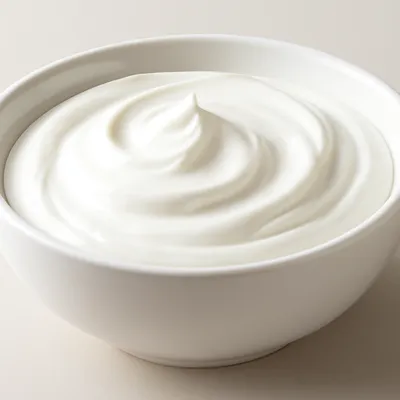


Kabargah (tabakh maaz) is one of the early meat courses of the Kashmiri Wazwan, the banquet tradition whose hereditary waza chefs are, by long-held tradition, traced to Central Asian and Persian cooks said to have arrived in Kashmir from the 14th century onward — though direct documentary evidence for that migration is thin, and the cuisine more surely reflects Kashmir’s centuries at a cultural crossroads. The dish is built from the rib chops of young lamb, and its defining two-stage method is the Wazwan signature: the ribs are first slow-poached in milk (sometimes with a little yogurt) spiced with fennel powder, dry ginger powder, cardamom, clove, and cinnamon until they are meltingly tender and the milk has reduced, then cooled, dipped in a thin spiced yogurt-and-gram-flour batter, and deep-fried in hot ghee until the coating is a deep, crisp gold. The two stages exist because each does a job the other cannot — the milk braise tenderizes; the fry crisps — and together they produce the dish's defining contrast. Kabargah is served at weddings and feasts as one of the first meat preparations on the trami, the shared Wazwan platter, and it is one of the most prized.
A loud, ghee-crisp shell giving way to meat so tender it barely needs chewing, with a warm halo of fennel, clove, and browned milk.
Each of the two stages solves a problem the other cannot. The milk poach is a low-temperature braise — well below 100°C — that gelatinizes the ribs' copious connective-tissue collagen into gelatin over a long time, turning tough ribs meltingly tender; the milk's lactose and proteins also carry the fat-soluble spice aromatics into the meat and contribute their own sweetness. But milk-poached ribs would be pale and soft, so the second stage fries them: the yogurt-gram-flour batter sets into a crisp shell in hot ghee at roughly 170–180°C through starch gelatinization and Maillard browning on its proteins, while the brief, high-heat fry also browns the ribs' own surface fat into a savory crust. The result is a textural contradiction — an audibly crisp shell around meat so tender it yields at the lightest bite — that a single cooking method could never produce.
Variations
Tabakh maaz is the same dish under its Persian name; some versions skip the batter and fry the ribs directly, and the tenderness of the ribs depends on using young lamb.
On the Palate
Where Kabargah sits in the Indian flavor cloud
Ingredients
Serves 4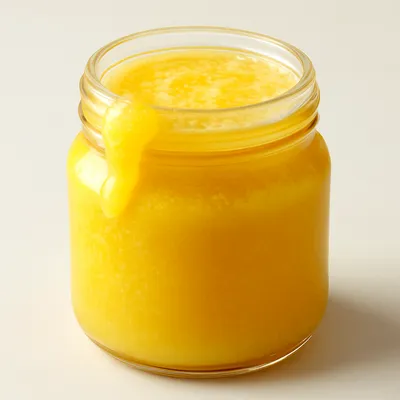
How it's made
6 steps · 20 min
- 14 min
Blanch lamb rib chops briefly, drain, and set aside.
- 245 min
Simmer the ribs in milk with fennel powder, dry ginger powder, cardamom, clove, cinnamon, and salt until very tender and the milk has reduced.
Watch outSimmer the ribs gently in the milk, well below a boil, until meltingly tender and the milk has reduced — a hard boil toughens the meat and curdles the milk.
- 310 min
Remove the ribs and let them cool and dry.
- 45 min
Whisk yogurt with gram flour, fennel powder, and a little salt into a smooth batter.
- 515 min
Dip each rib in the batter and deep-fry in hot ghee until deep golden and crisp.
Watch outFry the battered ribs in hot ghee (170–180°C) until deep golden and crisp — the shell should set fast so the tender interior stays moist.
- 65 min
Drain briefly and serve hot, arranged on a platter.

