A refined vegetarian kebab of the Awadhi-Mughlai kitchen, made from hung curd (yogurt drained of its whey) bound with paneer and gram flour, spiced, crumbed, and shallow-fried to a crisp shell that yields to a creamy, melt-in-the-mouth interior. A popular folk account credits its invention to the vegetarian cooks of the Mughal court, marking it as one of the earliest vegetarian kebabs.
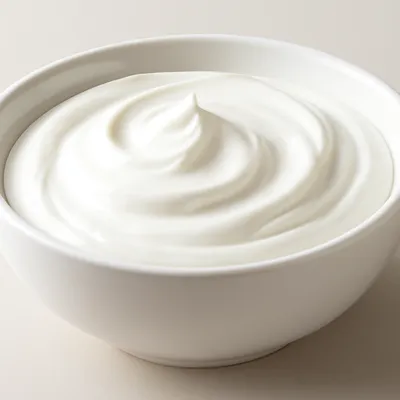
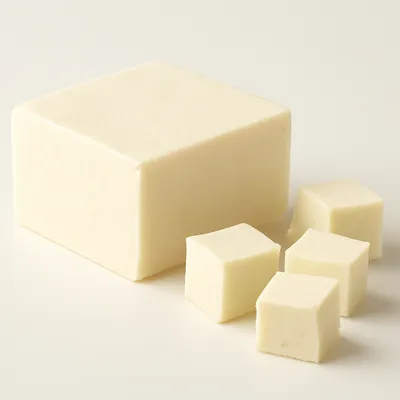



Dahi ke kabab is a vegetarian kebab of the Awadhi and Mughlai tradition, associated most closely with the kitchen of Lucknow. Its base is hung curd — yogurt tied in muslin and drained of its whey for hours until thick and cheese-like — bound with grated paneer and a little roasted gram flour, spiced with garam masala and roasted cumin, shaped into patties, rolled in bread crumbs or semolina, and shallow-fried to a crisp golden shell with a soft, creamy center. The kebab form itself descends from the meat kebabs of the Mughal and Central Asian tradition; a popular folk account holds that the first vegetarian kebabs were created in the Mughal emperor Akbar's kitchens, at the instance of his Rajput Hindu queen and her vegetarian dietary preferences, of which dahi ke kabab is one expression. That origin story is local food lore rather than documented record, but it captures the dish's place in the Mughal-Awadhi fusion: the kebab form married to Hindu vegetarian ingredients. The skill of the dish lies entirely in working the wet hung curd into a patty that holds together through frying without losing its creaminess.
A crisp, golden crumb giving way to a cool, creamy, tangy interior — almost like a fried cheese mousse, with the warm hum of roasted cumin and garam masala.
The kebab is an exercise in moisture control. Hung curd is yogurt drained of its whey until its remaining solids — chiefly casein protein, fat, and lactose — form a thick, creamy mass; draining too little leaves the patty wet and prone to splitting in the oil, draining too much turns it rubbery. The paneer and roasted gram flour are added as binders: paneer contributes body and richness, while the gram flour's starch gelatinizes during the cook to knit the wet mixture into a patty that holds its shape. The bread-crumb or semolina coating is essential — it dehydrates and crisps in the hot oil, forming a shell that protects the soft interior from the frying fat and gives the textural contrast that defines the kebab. Shallow-frying rather than deep-frying keeps the delicate patty intact; the surface Maillard-browns on the crumbs' proteins for color and flavor while the interior merely warms.
Variations
A stuffed version hides a filling of crushed dry fruits inside; some add chopped onion and mint, and a baked form exists for lighter home cooking.
On the Palate
Where Dahi ke Kabab sits in the Indian flavor cloud
Ingredients
Serves 5
How it's made
6 steps · 30 min
- 110 min
Hang thick yogurt in muslin for 2-3 hours until all whey drains and it becomes thick and creamy.
Watch outHang the curd 2–3 hours till all the whey drains and it's thick and creamy — too wet and the kebabs split in the oil, too dry and they turn rubbery.
- 28 min
Gently combine the hung curd with grated paneer, roasted gram flour, chopped green chili, ginger, coriander, garam masala, and roasted cumin powder.
- 35 min
Shape the mixture into flat patties, taking care not to overwork it.
Watch outShape the patties gently, don't overwork the mix — overworking makes them dense and prone to cracking; keep them just held together.
- 43 min
Roll each patty in bread crumbs or semolina to coat.
- 58 min
Shallow-fry in hot ghee or oil on moderate heat until golden and crisp on both sides.
Watch outShallow-fry on moderate heat till golden and crisp both sides — too hot and the delicate curd patty browns and breaks before it's set; the coating has to firm first.
- 62 min
Drain and serve hot with mint chutney and onion rings.