A singular Chettinad preparation of freshwater pond snails simmered in a tamarind-heavy gravy anchored by kalpasi (stone flower lichen) and marathi moggu — two spices that are the near-exclusive signature of Karaikudi cooking. The dish exemplifies Chettinad's audacity: transforming paddy-field creatures into a deeply layered, aromatic curry.

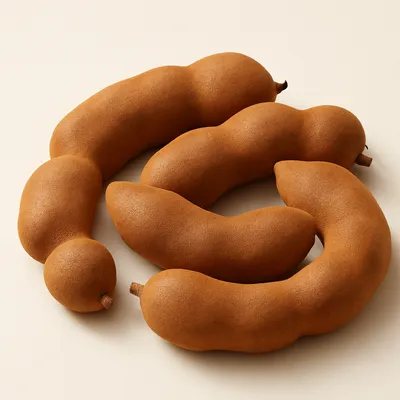


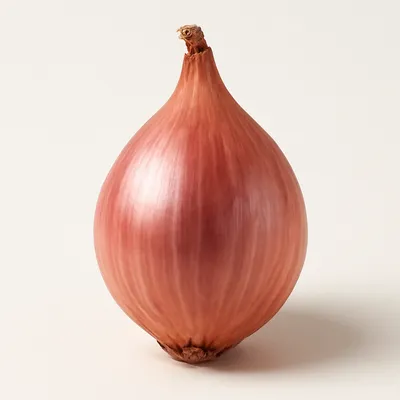

Nathai — the Tamil term for freshwater pond snails of the Pila genus and related species — were harvested by Chettiar farming families from the paddy fields and irrigation channels of the Sivaganga district surrounding Karaikudi. The use of kalpasi (Parmotrema perlatum, a lichen growing on bark in the Western Ghats) and marathi moggu (dried flower buds of Capparis zeylanica) is documented in the Bangala household tradition; both spices travel almost exclusively through Chettinad trade networks and have no parallel in any other Indian regional cuisine. The dish represents the Chettiar community's practice of applying spices sourced from merchant routes across Southeast Asia and the subcontinent to local, foraged ingredients. Snail gathering was a seasonal activity tied to the monsoon, and Nathai Kuzhambu was cooked communally when the rains brought snails out of the paddy soil in large numbers.
Sharply sour from tamarind with a deep, earthy spice backbone from kalpasi and marathi moggu; the snail meat is pleasantly chewy and faintly mineral, fully absorbing the pungent gravy, while the shells perfume the broth throughout.
Tartaric and citric acids in tamarind begin dissolving the surface mucus of snail meat during the initial simmer, while heat denatures the muscle proteins, firming the texture. Kalpasi contains sesquiterpene aromatic compounds released only when heated in oil; these contribute the characteristic mossy-earthy note unreplicable by any substitute. Marathi moggu carries isothiocyanate precursors and aromatic glucosinolates that similarly activate under heat. Extended braising past protein denaturation allows collagen-like connective tissue in the foot muscle to partially hydrolyze, softening the chew without making the meat mushy. The acidic tamarind environment also slowly draws calcium from the shells into the cooking liquid, mineralizing the broth with a subtle depth.
Variations
Some cooks add drumstick pieces or pearl onions for textural contrast. A drier version reduces the liquid until the masala clings to the shells. The same spice base — tamarind, kalpasi, marathi moggu — is applied to crab and prawn preparations in coastal Chettinad households.
On the Palate
Where Nathai Kuzhambu sits in the Indian flavor cloud
Ingredients
Serves 4

How it's made
8 steps · 20 min
- 1183 min
Place live pond snails in a bucket of fresh water for at least 3 hours, changing the water 3–4 times to purge them; scrub each shell firmly with a stiff brush.
Watch outPurge the live snails at least three hours, changing the water several times, and scrub each shell — skip this and the meat tastes muddy and gritty.
- 25 min
Blanch the purged snails in a large pot of boiling salted water for 3 minutes; drain and rinse under cold water.
- 310 min
Dry-roast kalpasi, marathi moggu, dried red chillies, black peppercorns, and coriander seeds in a dry pan over medium heat until fragrant; cool and grind to a coarse paste with a little water.
- 45 min
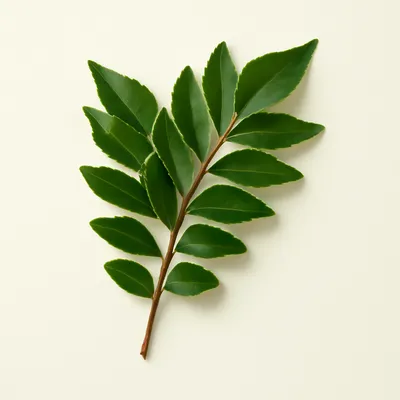
Heat sesame oil in a heavy kadai; add mustard seeds and curry leaves and let them splutter, then add finely sliced shallots and cook until deep golden.
- 58 min
Add ginger-garlic paste and chopped tomatoes; cook over medium heat until the tomatoes break down completely and oil separates from the masala.
Watch outCook the tomato-onion base until the oil separates out from the masala — that split means the raw edge is gone and the gravy has body.
- 65 min
Stir in the ground spice paste and fry for 5 minutes over medium heat until the raw aroma mellows and the paste darkens.
- 710 min
Pour in tamarind extract diluted to a thin consistency; season with salt and simmer uncovered for 10 minutes.
- 825 min
Add the blanched snails; stir to coat and cook over medium heat for 20–25 minutes until the gravy thickens and oil rises to the surface.
Watch outSimmer the snails twenty to twenty-five minutes until the gravy thickens and oil rises to the top — undercooked, the meat stays rubbery.
Archive tool suggestions — not reviewed
These legacy suggestions have not been evidence-reviewed and are not presented as required tools.


