A clear, deeply flavored Hyderabadi broth simmered from cracked goat leg bones rich in bone marrow, seasoned with black pepper, coriander seed, and ginger. Lighter and quicker than the overnight Marag, it is traditionally served as a morning restorative or monsoon-season digestive tonic, with marrow scooped from the cracked bones directly into the bowl.




Shorba — the Arabic and Persian word for warm broth — has been central to the Hyderabadi dastarkhwan since the Nizamate. The Nalli shorba specializes in the hollow leg bones of the goat, prized in South Asian cuisine for their rich marrow. Hyderabadi bone broths were morning table staples served during cooler months and the monsoon season, considered restorative under the Unani dietary principles followed by the Nizam's household physicians. Nalli Ka Shorba differs from Marag by its shorter cook time and lighter spice hand, producing a cleaner broth without the overnight opacity that full collagen extraction creates.
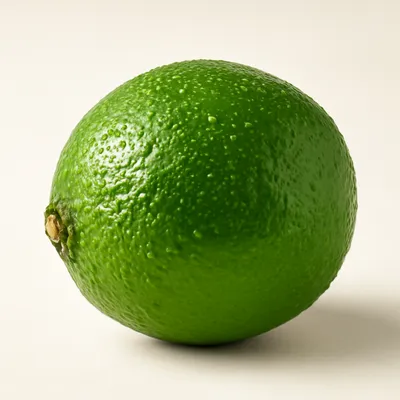
A clear, warming broth with a silky mouthfeel from dissolved marrow fats, carrying the building heat of black pepper and a bright citrus finish from lime. The scooped marrow melts into the hot liquid like soft butter.
Cracking the bones exposes the marrow cavity and increases bone surface area, accelerating collagen extraction. At a steady simmer of 85–95°C for 1.5–2 hours, collagen in the periosteum and bone matrix hydrolyzes to gelatin — triple-helix strands dissolve into random coils — giving the broth its silky body without full opacity. Bone marrow lipids, mainly oleic acid and palmitic acid, emulsify into the hot broth adding richness. Keeping the temperature below a full rolling boil prevents fat globules from fully emulsifying into a permanently cloudy state. Black pepper's piperine delivers warming heat, and its volatile terpenes enhance the digestive quality traditionally prized in Unani medicine.
Variations
Some Hyderabadi households finish the shorba with a tempering of caramelized onion and whole spices poured over the top. A lamb trotter version adds more gelatin for a heavier, more unctuous mouthfeel. In summer, lime juice and fresh mint replace black pepper as the primary accent for a cooling effect.
On the Palate
Where Nalli Ka Shorba sits in the Indian flavor cloud
Ingredients
Serves 4

How it's made
8 steps · 15 min
- 15 min
Crack goat leg bones with a cleaver to expose the marrow cavity; rinse thoroughly under cold water.
Watch outCrack the bones open to expose the marrow cavity — that opened marrow and bone surface is what gives the broth its silky body.
- 25 min
Blanch bones in a pot of boiling water for 5 minutes; drain and rinse to remove blood and impurities.
- 32 min
Heat oil in a large pot; fry sliced ginger and whole black peppercorns for 1 minute until fragrant.
- 45 min
Add blanched bones and pour in 1.5 liters of cold water; bring to a gentle simmer over medium heat.
- 53 min
Add coriander seeds, turmeric, salt, and green chilies; skim any foam that rises to the surface.
- 690 min
Simmer uncovered at 85–95°C for 1.5 hours, adding water as needed to keep bones submerged.
Watch outHold it at a bare 85-95°C, never a rolling boil — gentle heat draws out silky gelatin; a hard boil emulsifies the fat and clouds it permanently.
- 75 min
Strain the broth; scoop marrow from the bones and stir it back into the hot broth.
- 82 min
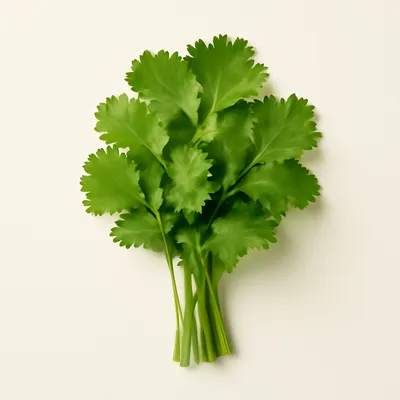
Taste, adjust salt, finish with lime juice and chopped fresh coriander, and serve immediately.
Archive tool suggestions — not reviewed
These legacy suggestions have not been evidence-reviewed and are not presented as required tools.



