
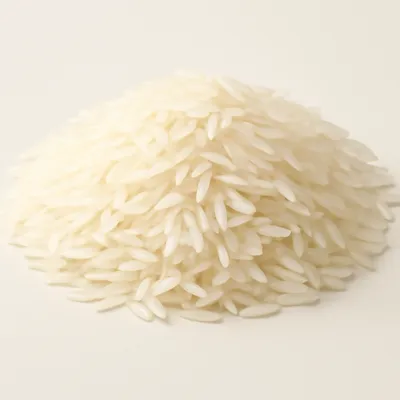
Vellai Paniyaram is a soft white deep-fried fritter from Chettinad — vellai means white — made from a fermented batter of raw rice and urad dal ground smooth and spooned into hot oil, where it puffs into a pale, pillowy round with a frilled, lacy crisp edge. Unlike the browned fried snacks of the region it is kept deliberately pale, fried gently so the surface sets without coloring, staying white and tender. The inside is moist, faintly sour from the overnight ferment, and mildly sweet. It is a tiffin and festival item, eaten plain or with coconut chutney, and is a fixture at Chettiar weddings and temple offerings.


Vellai paniyaram belongs to the tiffin and festival repertoire of the Nattukottai Chettiar (Nakarattar) community of the Chettinad region in Tamil Nadu, a mercantile and banking caste whose 19th- and early-20th-century trade across Burma, Ceylon and Malaya gave the region a distinctive and elaborate cuisine. It is a traditional auspicious food served at Chettiar weddings, festivals and temple ceremonies, valued for its pure white color; as a community heritage preparation it has no single recorded inventor or date. It belongs to the broad South Indian family of fermented rice-and-urad-dal batter foods that also includes idli, dosa and the round appe/paniyaram cooked in a dimpled pan, but the deep-fried white form is particular to Chettinad. The closely related kara (savory-spiced) paniyaram is its counterpart.
Pale and round, the size of a small bun, with a soft white dome and a thin, frilled lacy edge that shatters at the rim. The crust is barely there — just set, never crisp-brown across the body — while the inside is moist, spongy and slightly chewy, holding the faint tang of the fermented batter. It tastes clean and mild, lightly sweet, the sourness lingering at the back; dipped in coconut chutney it picks up freshness and a little heat. The contrast of the crackling frilled edge against the tender white center is the whole pleasure of it.
The texture comes from lactic fermentation and from controlled frying. Soaked raw rice and urad dal are ground separately and combined; urad dal's mucilaginous proteins trap air, and an overnight ferment by wild lactobacilli leavens the batter and develops a gentle sourness, just as for idli and dosa. The batter is kept a pouring consistency. The defining trick is to fry gently and pale: the fritter is spooned into hot oil where it puffs as trapped gas and steam expand, while the cook keeps the oil moderate and lifts the fritter before the surface browns, preserving the white color the dish is named for. The thin frilled edge forms where batter spreads and sets quickly at the oil's surface. Frying too hot or too long browns it and defeats the point.
Variations
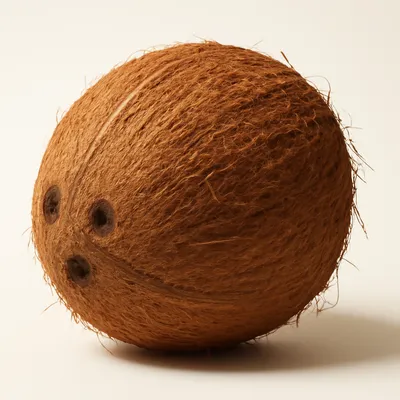
Its savory sibling is kara paniyaram, the same fermented batter seasoned with chopped onion, green chili, ginger, curry leaf and pepper, fried darker and eaten as a snack. Some recipes enrich the white version with a little coconut or a touch of sugar to sweeten it for festive serving. The dimpled-pan appe/kuzhi paniyaram is a non-fried cousin cooked in a paddu pan with little oil. Across Chettinad the white and savory paniyarams are often served together at weddings, the white prized for ritual and the savory for everyday eating.
On the Palate
Where Vellai Paniyaram sits in the Indian flavor cloud
Ingredients
Serves 4How it's made
10 steps · 20 min
- 1240 min
Soak raw rice and urad dal together in water for 4 hours.
- 28 min
Drain and grind to a smooth, thick batter, adding a little water; the consistency should pour slowly.
- 3480 min
Stir in salt, cover, and leave to ferment overnight (about 8 hours) until risen and faintly sour.
Watch outFerment overnight until the batter's risen and faintly sour — under-fermented it won't puff light; this leavening is what makes the fritter airy.
- 43 min
Stir the fermented batter; if too thick, loosen with a little water to a thick pouring consistency.
- 55 min
Heat oil in a deep pan to a moderate, not smoking, temperature.
- 64 min
Spoon small ladlefuls of batter gently into the oil so each puffs into a round.
- 75 min
Fry on low-to-moderate heat, spooning hot oil over the top, until set and cooked through but still pale white.
Watch outKeep the oil moderate and lift the fritter before it browns — the whole point is the pale white color; let it color and you've lost the dish.
- 83 min
Lift before the surface browns; the frilled edge should crisp while the body stays white.
- 92 min
Drain on a rack.
- 102 min
Serve warm, plain or with coconut chutney.
Archive tool suggestions — not reviewed
These legacy suggestions have not been evidence-reviewed and are not presented as required tools.


