
Round, golden deep-fried dumplings from Karnataka, crisp on the outside and soft and airy within. The batter is built from refined wheat flour and a little rice flour loosened with sour curd, soured and aerated before frying, then studded with green chili, ginger, curry leaf, and crushed pepper. Dropped in spoonfuls into hot oil, they puff into light balls. A tea-time and breakfast snack across South India, they are served hot with coconut chutney.

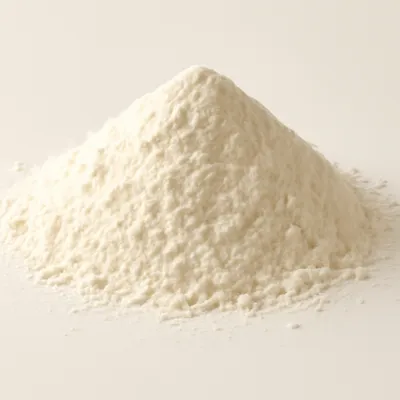
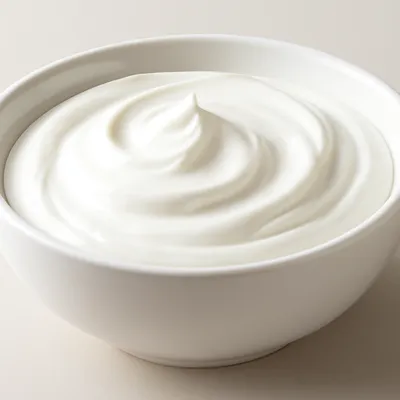

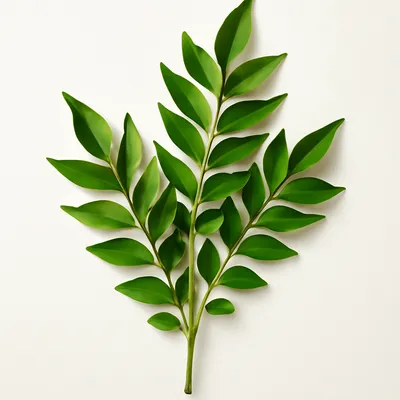

Mysore bonda is named for the city of Mysore in Karnataka and belongs to the South Indian family of deep-fried tiffin snacks, alongside the lentil-based medu vada and the coastal goli baje. It is a standard of Udupi-style restaurants and tea stalls, valued for being quicker than a fermented-lentil bonda since the curd does the souring. No single inventor or date is recorded; it is regarded as a regional Karnataka snack. It is distinct from the coastal Mangalore bonda (goli baje), which is sweeter and even fluffier, and from medu vada, which is made from ground black gram rather than wheat flour.
A crisp, lightly cracked golden shell giving way to a soft, slightly chewy, almost bread-like inside dotted with green chili and curry leaf. The first bite is hot and faintly sour from the curd, with a gentle bloom of pepper and ginger; it is rich but not heavy. Eaten whole or torn and dipped into coconut chutney. A good bonda is hollow-light and crisp; a leaden, oil-soaked one means the batter was too thick or the oil too cool.
The light, hollow crumb comes from aerating a curd-loosened batter rather than a long wild ferment. The sour curd both flavours the batter and, with a short rest, helps it turn airy; many cooks beat in air or add a pinch of baking soda so the bondas puff fast. The batter must be thick enough to hold a soft ball yet loose enough to fry hollow — too thick and it stays doughy, too thin and it spreads. The oil sits at a moderate heat so the inside cooks through before the shell over-browns; very hot oil sets the crust while the centre is still raw.
Variations
The coastal Mangalore bonda, or goli baje, uses the same wheat-and-curd idea but is sweeter and airier and often relies on baking soda; an instant version skips even the curd rest with soda alone. Some cooks fold in grated coconut or chopped onion. It is part of the broader bonda family, which also includes the potato-stuffed aloo bonda dipped in gram-flour batter — a different dish entirely.
On the Palate
Where Mysore Bonda sits in the Indian flavor cloud
Ingredients
Serves 4
How it's made
5 steps · 2 hours 30 min
- 18 min
Whisk refined wheat flour and a little rice flour with sour curd and just enough water into a thick, smooth, lump-free batter.
- 290 min
Beat the batter well to aerate it, season with salt, and rest it for 1-2 hours until slightly soured and bubbly.
Watch outBeat the batter until it lightens and turns fluffy with small bubbles, then rest until it smells faintly sour and looks bubbly on top — that trapped air is what fries the bondas hollow instead of dense.
- 33 min
Stir in chopped green chili, ginger, curry leaves, crushed pepper, and chopped coriander.
- 412 min
Heat oil to a moderate temperature and drop in small spoonfuls of batter, frying in batches until golden and puffed, turning for even colour.
Watch outKeep the oil at a moderate heat and check that a bond floats up slowly and puffs — if it browns fast and hard, the oil's too hot and the centre stays raw; too cool and it drinks oil and spreads.
- 52 min
Drain on paper and serve hot with coconut chutney.
Archive tool suggestions — not reviewed
These legacy suggestions have not been evidence-reviewed and are not presented as required tools.


