
Lilva Kachori is a deep-fried Gujarati pastry — a flaky, pale, blistered short-crust shell stuffed with fresh green pigeon peas, lilva, coarsely crushed and spiced sweet, tangy and hot. It is a winter specialty, made when fresh lilva is briefly in season, and most prized in Surat and South Gujarat. Distinct from the green-pea matar kachori, it turns on the fleeting fresh pigeon pea rather than the year-round dried dal. A festive-platter and tea-time farsan, served with chutney.



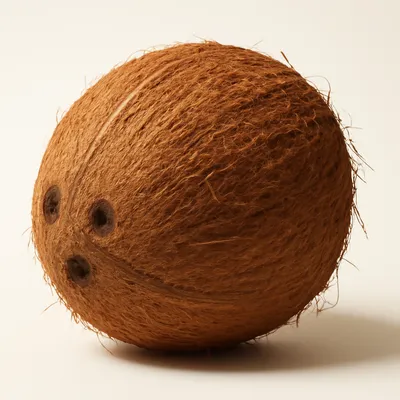

A Gujarati winter farsan, tied to the brief season of fresh tuvar lilva, the green pigeon pea, which is at its tenderest around December. It is most associated with Surat and South Gujarat, where fresh lilva fills the winter snacks, though Saurashtra and Kathiawar claim it too, so it is best seen as a Gujarati winter dish especially loved in the south rather than the property of one town. The defining point, well documented, is that lilva is the fresh, undried pigeon pea — a fleeting luxury — as against the dried yellow toor dal eaten all year. No dated origin or maker is recorded.
A shatter-crisp, pale, blistered shell that flakes and crumbles, giving way to a warm, coarse filling of fresh pigeon peas that is at once sweet, spicy and tangy, carrying the slight nuttiness of sesame, peanut and coconut and the bright pop of the green peas. Ginger and green chili scent it. The shell should stay almost white, bubbled and glassy-crisp, never browned; the filling keeps the texture of crushed peas rather than a smooth paste. Served with green or tamarind-date chutney.
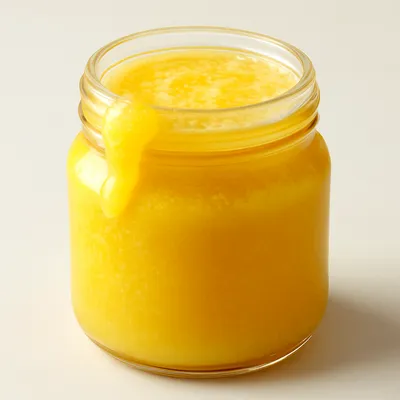
The flaky shell rests on moyan: ghee or oil is rubbed into the refined wheat flour before water is added, coating the flour particles so they cannot fully knit into gluten. With the gluten thus shortened and interrupted, the fried shell turns flaky and crisp instead of tough and chewy — too little fat and it goes hard. The frying is the second key: low to medium heat lets the thick shell cook through, blister and crisp while staying pale, since high heat would brown or burn the outside before the inside set. The fresh lilva is only coarsely crushed, not pureed, so it keeps its texture and green sweetness; ginger, green chili, sugar and lemon spice it sweet, hot and tangy.
Variations
Lilva kachori with fresh pigeon peas stands apart from matar kachori, made with green peas — the same pastry form, a different legume, the latter broader across North India. A combined version, vatana ane tuvar lilva ni kachori, uses green peas and pigeon peas together, sometimes with cashew and raisin. Other kachori cousins include sweet mawa kachori from Rajasthan and the savoury onion and dal kachoris; a baked version is a lighter modern adaptation.
On the Palate
Where Lilva Kachori sits in the Indian flavor cloud
Ingredients
Serves 5

How it's made
8 steps · 55 min active + 20 min waiting
- 122 min
Rub ghee into refined wheat flour until it holds a shape when pressed, then knead with water and salt into a firm, smooth dough; rest 20 minutes.
Watch outRub in enough ghee that the flour holds a shape when pressed — too little fat and the fried shell goes hard, not flaky.
- 28 min
Coarsely crush fresh pigeon peas without pureeing them.
- 312 min
Saute ginger-green-chili paste, then the crushed peas with sesame, coconut, sugar, lemon and salt until dry and fragrant; cool the filling.
- 46 min
Divide the dough into balls and roll each into a small thick disc.
- 58 min
Place a spoon of filling in the center, gather the edges over it and seal into a stuffed ball, then flatten gently.
- 63 min
Heat oil to a low-medium temperature.
- 712 min
Slide in the kachoris and fry slowly, basting, until the shells blister and turn crisp but stay pale.
Watch outFry slow over low-medium heat, basting — high heat browns the outside before the thick shell cooks through.
- 83 min
Drain on paper and serve warm with green and tamarind-date chutney.
Archive tool suggestions — not reviewed
These legacy suggestions have not been evidence-reviewed and are not presented as required tools.


