An Odia sweet-and-sour relish, made for pujas and as temple prasada, in which ripe tomatoes are cooked down with jaggery, panch phutana, and a touch of chili into a thick, glossy chutney. It is the meal-closing sweet-sour note of the Odia vegetarian feast.



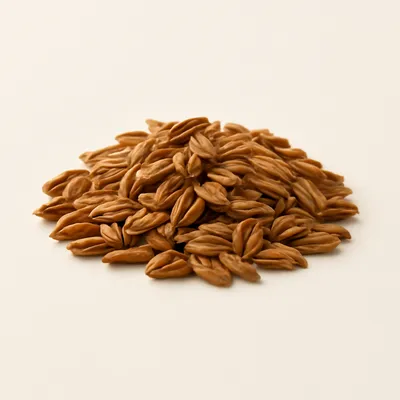
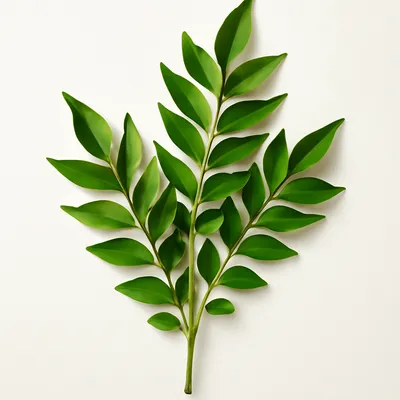
Khata (khatta) is the sweet-and-sour relish of Odia cuisine, made as a temple prasada and for pujas, weddings, and festive meals. Its Odia name simply means 'sour,' and within the Odia meal it is the closing chutney-like course, eaten with rice or with the flatbreads at the end of a meal to leave a sweet-sour taste. The base is most often ripe tomato, though older forms use ambula (sun-dried green mango), dates, or a combination; the sweetener is jaggery; the tempering is panch phutana, the Odia five-spice. The dish follows satvik principles where it is made for temple offering — no onion, no garlic — and a traditional temple method even salts the cut tomatoes and lets them stand for a day before cooking, which draws out their water and concentrates their flavor. It belongs to the wide South Asian family of sweet-sour chutneys, but the Odia form's use of panch phutana and jaggery gives it a distinctly regional character.
Thick, glossy, sweet-and-sour, with a warm tomato richness, the toffee depth of jaggery, and a flick of panch-phutana spice.
The relish works by cooking out the tomatoes' water until their sugars concentrate. Salting the cut tomatoes beforehand draws water out by osmosis, accelerating the later reduction and intensifying the tomato's own sweetness; cooking them down in the panch-phutana-tempered oil then caramelizes their sugars and the jaggery's, giving the glossy, jam-like body. The jaggery contributes both sucrose (for sweetness and body) and reducing sugars (for the Maillard browning that gives the chutney its deep color), and its molasses minerals add a slight toffee note. The panch phutana's five seeds crack open in the hot oil to release their lipid-soluble aromatics — mustard's pungency, cumin's warmth, fenugreek's bitterness, fennel's sweetness — which the oil carries into the tomato. A small amount of chili supplies capsaicin heat that the sweet-sour base balances, leaving a clean finish.
Variations
Tomato-khajur khata folds in dates for deeper sweetness; an ambula version uses dried mango for a sharper tang, and some add mango papad or raisins.
On the Palate
Where Khata sits in the Indian flavor cloud
Ingredients
Serves 5How it's made
6 steps · 10 min
- 15 min
Cut ripe tomatoes into chunks, mix with a little salt and turmeric, and let them stand briefly.
- 23 min
Heat oil and temper panch phutana, dry red chili, and a curry leaf.
- 36 min
Add the tomatoes and cook until they soften and release their water.
Watch outCook the salted tomatoes until they fully soften and give up their water — that release is the start of the reduction; skip it and the chutney stays thin and raw-tasting.
- 48 min
Stir in grated jaggery, cumin powder, and chili powder, and continue to cook, mashing the tomatoes.
- 56 min
Cook until the mixture thickens to a glossy, jam-like consistency and the oil just begins to separate.
Watch outReduce until it's glossy and jam-thick and the oil just begins to separate — that sheen and the surfacing oil mean the sugars have concentrated; stop while runny and it won't keep.
- 62 min
Cool slightly and serve with rice, dalma, or flatbreads.

