Akuri is the Parsi community's soft, spiced scrambled eggs, a breakfast fixture of Mumbai's Irani cafés. Eggs are beaten and cooked low and slow with a base of onion, green chili, ginger, fresh coriander, cumin and a little turmeric (often a chopped tomato as well), pulled off the heat while still glossy and barely set. It resembles north Indian egg bhurji but is deliberately kept creamier and underset rather than dried out. It is mounded onto a plate and scooped up with buttered pav (soft bread rolls) or toast.




Akuri belongs to the Parsis, descendants of Zoroastrians who fled Persia and settled in coastal Gujarat between roughly the 8th and 10th centuries (per the 16th-century chronicle Qissa-i Sanjan), later moving to Bombay from the mid-1600s. The dish reflects the community's Persian-Indian kitchen: an egg preparation reworked with Gujarati aromatics and chili. By the 19th and 20th centuries it had become a hallmark Parsi breakfast, spread widely by the Irani cafés that Iranian immigrants opened across Mumbai from the early 1900s. The Bharuchi (Bharuch) version is especially rich, finished with ghee, fried onions, cashews and crisp potato straws (salli).
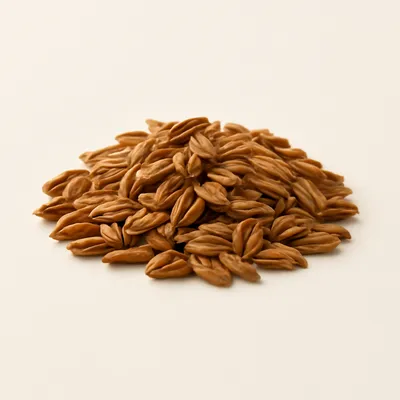
Served hot and soft, almost spoonable, the curds glossy and just-set rather than firm. First taste is buttery egg, then the sweetness of slow-cooked onion, a green chili kick and the lift of fresh coriander, with cumin and ginger underneath. Torn pieces of pav or toast scoop it up; the bread soaks the slick of fat. If the eggs turn dry and grainy, they have been overcooked.
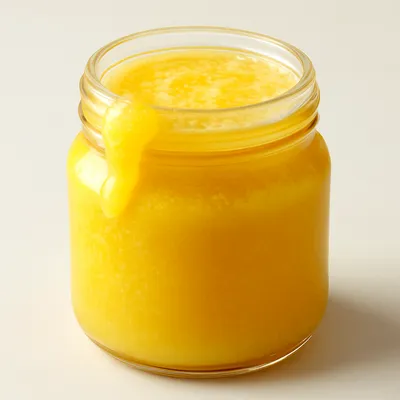
Two things keep akuri creamy. First, gentle heat: cooked low with frequent stirring and taken off while still wet, the egg proteins coagulate only loosely, so residual heat finishes them into soft curds instead of a rubbery mass. A knob of butter or ghee folded in near the end coats the curds in fat and slows setting, for a custardy result. Second, the aromatics are sautéed soft first so the eggs cook quickly over a flavored base rather than stewing. Onion sweetens as its sugars caramelize, while the chili, ginger and cumin bloom in the hot fat before the eggs go in.
Variations
The Bharuchi akuri is the festive form, enriched with ghee, fried onion, cashews and salli (potato straws); a plainer everyday version keeps to onion, chili and coriander. Some cooks add tomato for tartness, others leave it out for a pure egg-and-onion profile. A dry, firmer scramble of the same aromatics is the related north Indian egg bhurji; akuri is its softer Parsi cousin and traditionally opens the lagan nu bhonu, the Parsi wedding feast.
On the Palate
Where Akuri sits in the Indian flavor cloud
Ingredients
Serves 2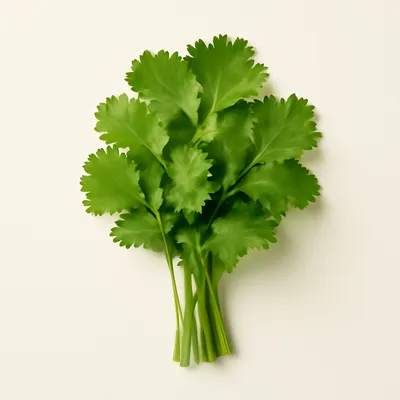

How it's made
6 steps · 10 min
- 12 min
Beat the eggs lightly with salt; set aside.
- 24 min
Heat ghee or butter and gently sauté the chopped onion until soft and pale gold.
Watch outCook the onion slow until it turns soft and pale gold and smells sweet — no rush, no browning hard.
- 33 min
Add ginger, green chili and cumin; cook until fragrant, then stir in turmeric and (if using) chopped tomato and cook until softened.
- 42 min
Lower the heat and pour in the eggs; stir slowly and constantly so soft curds form.
Watch outAs you stir over low heat, watch for the eggs to form small soft curds while still looking wet.
- 51 min
Take the pan off the heat while the eggs are still glossy and slightly underset; fold in a little extra butter and the fresh coriander.
Watch outPull off the heat while the curds are glossy and slightly underdone; that's the creamy point.
- 61 min
Mound onto plates and serve hot with buttered pav or toast.
Archive tool suggestions — not reviewed
These legacy suggestions have not been evidence-reviewed and are not presented as required tools.