A rustic Rajasthani vegetable preparation built around kachri (Cucumis callosus), a small wild melon endemic to the Thar Desert. Fresh kachri is peeled, seeded, and sautéed with onion, mustard oil, and desert spices; its natural tartness replaces any added souring agent. Dried kachri powder fulfills the same role in winter months. Virtually unknown outside Rajasthan, this sabzi is an expression of desert frugality — a foraged melon transformed into a complete preparation.



Kachri (Cucumis callosus) grows wild on sandy dunes across the arid zones of western Rajasthan — Jaisalmer, Jodhpur, Bikaner, and Barmer — fruiting after brief monsoon rains between October and December. Its drought-resistant vines require near-zero cultivation, making it one of the only consistent green ingredients available to desert communities of the Thar over generations. Desert households harvested kachri fresh during the rains and sun-dried slices throughout for year-round use; the sabzi evolved as the most direct way to cook the fresh fruit, seasoned with the same spice pantry used across the region. Kachri's organic acidity also established it as a souring agent replacing tamarind or yogurt, and its dried powder became the principal meat tenderizer used in laal maas and other long-marinated meat dishes — a dual culinary role unusual among single-ingredient desert plants.
Soft, yielding cubes of kachri carry a bright natural tartness that clings to each bite, tempered by earthy cumin, sharp mustard oil, and the slow build of dried chilies. The dish is light and dry rather than saucy — a deliberate contrast to the heavy, ghee-laden preparations of a full Rajasthani thali.
Kachri contains a 67 kDa serine protease — a cucumisin homologue of the subtilisin class — which acts on meat proteins in raw marinades but is heat-denatured during cooking. The fruit's organic acids (primarily citric and tartaric) survive cooking temperatures and deliver the characteristic tartness without added souring agents. Mustard oil heated to its smoke point (approximately 160–180°C) undergoes Maillard browning with onion sugars and free amino acids, generating the nutty, complex base flavor. Kachri's high water content creates localized steam under the lid, softening the cubes evenly without deep-frying.
Variations
Kachri phali sabzi adds fresh green beans to the dish, contrasting soft melon against crisp beans; common across the Marwar region. The dried-kachri version rehydrates sun-dried slices and yields a more concentrated tartness and chewy texture. Kachri chutney blends raw or roasted kachri with garlic, green chilies, and cumin into a condiment for flatbreads, and is a distinct preparation served alongside every Rajasthani meal.
On the Palate
Where Kachri Ki Sabzi sits in the Indian flavor cloud
Ingredients
Serves 4

How it's made
9 steps · 15 min
- 15 min
Peel the kachri, halve lengthwise, and scoop out all seeds with a spoon. Slice a small piece from the cut edge and taste — if bitter, discard that kachri; only proceed with non-bitter ones. Cut the flesh into 2 cm bite-size chunks.
Watch outTaste a sliver of each kachri first — if it's bitter, throw that one out; one bitter fruit turns the whole dish inedible.
- 25 min
Thinly slice the onion, mince the garlic cloves, and slit the green chilies lengthwise.
- 33 min
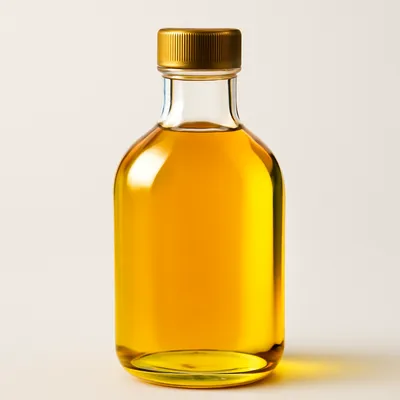
Heat mustard oil in a heavy kadhai over medium-high heat until the oil just begins to smoke; reduce to medium heat to settle its raw pungency.
Watch outBring the mustard oil just to smoking, then ease the heat back — that flash burns off its raw pungency without scorching.
- 41 min
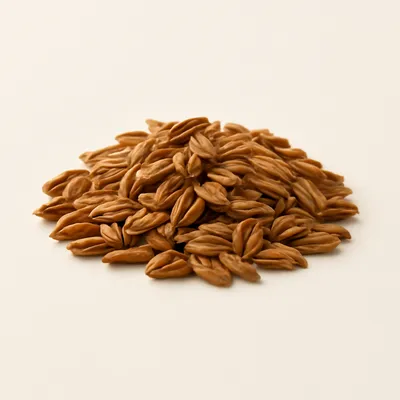
Add cumin seeds and asafoetida to the hot oil; let them sizzle 20–30 seconds until fragrant.
- 56 min
Add the sliced onion, garlic, and green chilies; sauté for 5–6 minutes, stirring frequently, until the onion turns golden.
- 61 min
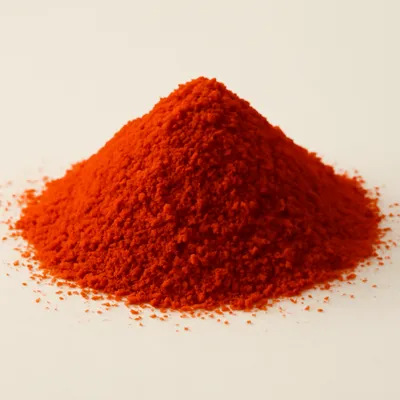
Add turmeric, red chili powder, and coriander powder; stir-fry the spice mixture in the oil for 1 minute to bloom the flavors.
- 72 min
Add the kachri chunks and salt; toss well to coat every piece in the spiced oil.
- 88 min
Reduce heat to low and cover; cook 7–8 minutes until the kachri softens and releases its natural juices, stirring once midway.
- 94 min
Remove the lid, raise heat to medium-high, and stir-fry for 2 minutes to evaporate excess moisture; the finished sabzi should be dry and lightly browned, not saucy. Taste, adjust salt, and serve hot with flatbreads as part of a Rajasthani thali.
Watch outUncover and stir over higher heat until dry and lightly browned — the finished sabzi should be dry, not saucy.