
Erissery is a thick, half-mashed dish of pumpkin and beans bound with ground coconut and crowned with a tempering of coconut roasted dark in coconut oil. Yellow pumpkin and a soaked pulse such as red cowpeas or black-eyed beans are cooked soft with turmeric and chili, mashed coarse, then thickened with a raw coconut paste. What sets it apart is the finish: grated coconut fried slowly to a deep nutty brown and tipped over the top with curry leaves, giving a toasted aroma the other coconut dishes of the sadya do not have. It is sweet, earthy and comforting.


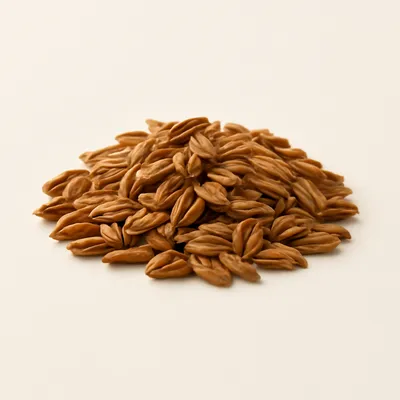
Erissery is a traditional vegetarian dish of the Kerala sadya and the home kitchen, served at Onam and other feasts. The pairing of a starchy vegetable with a pulse and coconut is a recurring pattern across Kerala cooking, and erissery is distinguished within it by the dark-roasted coconut tempering. As a coconut-and-vegetable dish without onion or garlic, it sits within the satvic temple-feast repertoire of central Kerala. No inventor or specific date is recorded.
Thick and partly mashed, sweet from the pumpkin and creamy from the ground coconut, with whole soft beans giving body and a faint nutty bite. The defining flavor is the dark-roasted coconut showered over the top: deeply toasted, almost caramel-edged, fragrant and slightly crunchy against the soft base. Turmeric gives a warm gold color and gentle earthiness, with mild chili heat behind. It is one of the rounder, sweeter, more substantial dishes on the leaf, eaten with rice.
Erissery has two coconut steps that must not be confused. The first is a raw coconut paste ground with cumin and green chili and stirred into the cooked, coarsely mashed pumpkin and beans to thicken the body — added off a hard boil so it does not split. The second, and the signature, is the tempering: a separate batch of grated coconut fried in coconut oil over patient low heat until it turns deep golden-brown. This is a Maillard reaction between the coconut's sugars and proteins, building the toasted, nutty, almost coffee-like aroma that names the dish; rush it on high heat and the coconut burns black and bitter before it browns evenly. The pumpkin is cooked until soft enough to crush against the pot, giving the half-mashed texture that holds the coconut.
Variations
Pumpkin (mathanga) erissery is the most familiar, but the dish is also made with raw plantain, ash gourd or colocasia, and the pulse may be red cowpeas, black-eyed beans or chickpeas. Some households mash it almost smooth, others leave clear chunks. The dark-roasted coconut tempering is the one constant across versions; without it the dish is just a coconut-thickened mash, not an erissery. Vatakkan (northern Kerala) cooks often make it especially generous with the roasted coconut.
On the Palate
Where Erissery sits in the Indian flavor cloud
Ingredients
Serves 6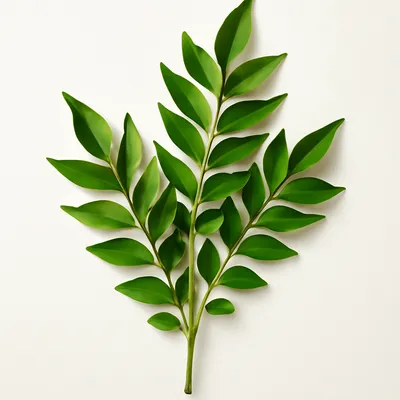


How it's made
5 steps · 30 min active + 15 min waiting
- 115 min
Soak and boil the pulse until nearly tender.
- 212 min
Cook cubed pumpkin with turmeric, chili and salt until very soft, then mash coarse with the beans.
- 35 min
Grind grated coconut with cumin and green chili into a paste and stir in off the boil.
Watch outStir the raw coconut paste in off the boil — add it while the pot is boiling hard and the paste splits instead of thickening the body.
- 48 min
Fry a separate batch of grated coconut in coconut oil with curry leaves until deep golden-brown.
Watch outFry the second batch of coconut over patient low heat to deep golden-brown — this toasted-nut aroma names the dish, but rush it hot and the coconut burns bitter.
- 52 min
Pour the roasted-coconut tempering over the dish and serve.
Archive tool suggestions — not reviewed
These legacy suggestions have not been evidence-reviewed and are not presented as required tools.


