
Olan is among the mildest dishes of the Kerala sadya: cubes of white ash gourd and a handful of red cowpeas simmered in thin coconut milk with green chilies and curry leaves, finished with a spoon of raw coconut oil. There is no turmeric, no fried masala and almost no spice beyond the chilies left whole for fragrance rather than heat. The result is pale, soupy and clean-tasting, meant as a gentle counterpoint to the sharper, sourer dishes on the banana leaf. It is one of the quietest courses of the feast and prized exactly for that restraint.


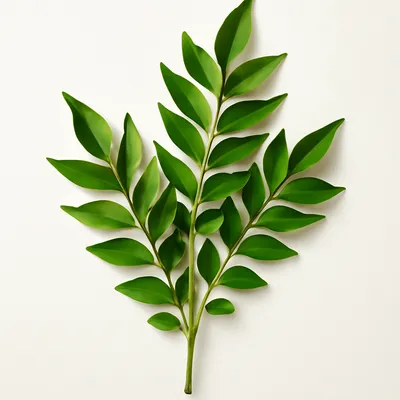

Olan belongs to the vegetarian repertoire of the Kerala sadya, the banana-leaf banquet served at Onam and at temple and wedding feasts across the Malayali year. As a coconut-and-gourd dish without onion, garlic or turmeric, it sits comfortably within the satvic temple-kitchen tradition of central Kerala. No single inventor or date is recorded; it is understood as a long-standing regional staple whose role on the leaf is to provide a cooling, lightly spiced course among richer and more sour dishes.
Pale and brothy, with soft cubes of ash gourd that have gone nearly translucent and a scattering of red cowpeas that hold their shape and add a faint nutty bite. The taste is sweet and milky from the coconut, with only a whisper of green-chili warmth and the resin of curry leaves. The raw coconut oil drizzled at the end lifts a clean coconut perfume off the surface without any fried heaviness. On the leaf it reads as the rest stop between the sour and the spicy.
The dish lives or dies on not overcooking the coconut milk. Coconut milk is a fragile oil-in-water emulsion held together by coconut proteins, and a hard boil splits the fat into oily curds; so the ash gourd and pre-cooked cowpeas are simmered only in thin (second-press) coconut milk, and the thick first-press milk is stirred in at the very end and merely warmed through below a boil. Ash gourd is over 95 percent water and almost flavorless, which is the point — it carries the coconut and chili without competing. The cowpeas are boiled separately until just tender before they go in, since they take far longer than the gourd. The closing thread of raw coconut oil is never heated, so its aroma stays bright on top rather than cooking away.
Variations
The cowpeas (vanpayar) are the most common pulse, but some households use field beans or leave the legume out entirely for a purely gourd-and-coconut olan. Pumpkin is sometimes added alongside the ash gourd for a touch of sweetness and color. A few cooks add a single green chili split lengthwise for aroma and no more; the dish is defined by its mildness, so heavier spicing pushes it out of the olan category.
On the Palate
Where Olan sits in the Indian flavor cloud
Ingredients
Serves 6
How it's made
5 steps · 20 min active + 15 min waiting
- 18 min
Soak red cowpeas, then boil until just tender and drain.
- 24 min
Peel and cube the white ash gourd into even pieces.
- 315 min
Simmer the gourd with cooked cowpeas, slit green chilies, curry leaves and salt in thin coconut milk until soft.
Watch outSimmer the gourd and cowpeas only in the thin second-press coconut milk — save the thick milk for the end, or a hard boil now would split the fat into oily curds.
- 43 min
Stir in thick coconut milk and warm gently without boiling.
Watch outStir in the thick coconut milk and only warm it through, never let it boil — this rich first-press milk splits instantly at a boil, so keep it below a simmer.
- 51 min
Drizzle raw coconut oil over the top and serve.
Archive tool suggestions — not reviewed
These legacy suggestions have not been evidence-reviewed and are not presented as required tools.


