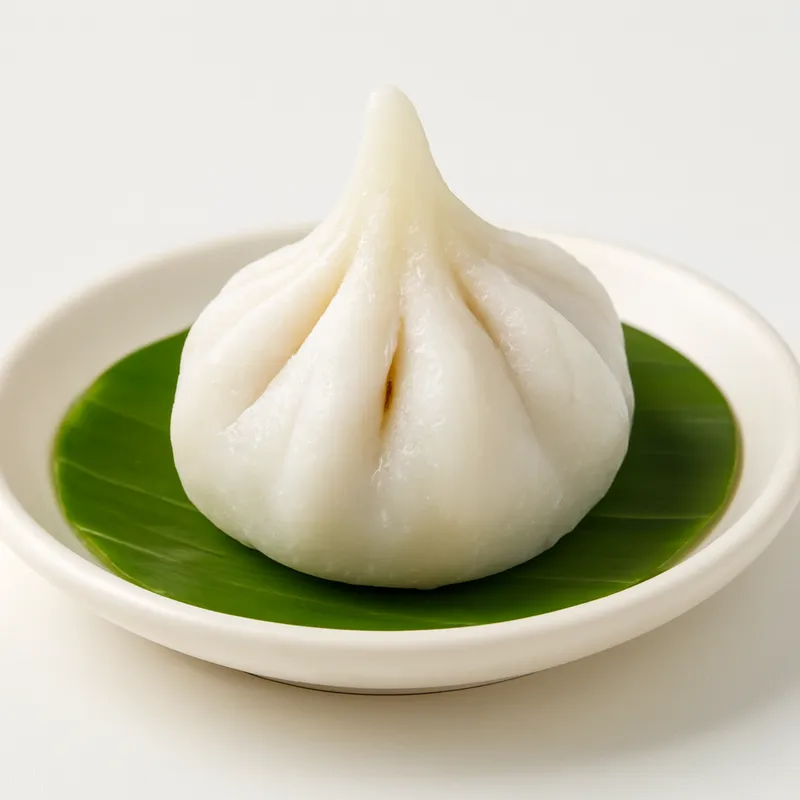
Pachadi is the cooling yogurt-and-coconut side of the Kerala sadya, a lightly sweet-sour relish in which a single vegetable or fruit — cucumber, pineapple, beetroot or okra — is folded into thick curd whisked with ground coconut, green chili and mustard. A coconut-oil tempering of mustard seeds, dried chili and curry leaves finishes it. It is the Kerala counterpart to a raita but richer for the coconut, and the sweet versions made with pineapple or mango carry a touch of jaggery. On the leaf it is the small, fresh, palate-cleansing dish eaten between richer courses.

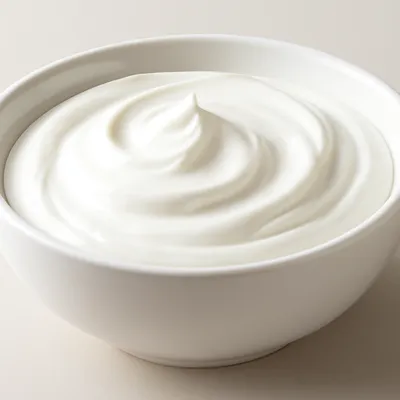


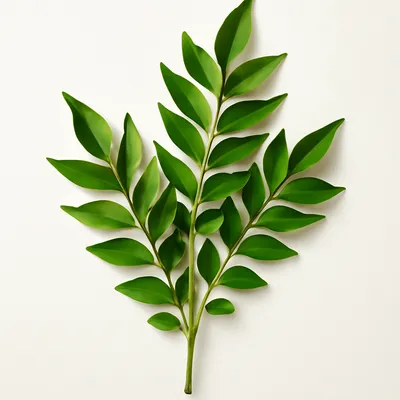
Pachadi belongs to the vegetarian sadya repertoire of Kerala, served at Onam and other banana-leaf feasts, where a curd-based cooling dish balances the spiced and sour courses. The word distinguishes the sweeter, coconut-enriched curd dish from the plainer kichadi, though usage varies between households. As a yogurt-coconut preparation it sits within the everyday and festive cooking of the region; no single inventor or date is recorded.
Cool, creamy and gently tangy, the thick curd carrying the sweetness and faint graininess of ground coconut. Cucumber pachadi is crisp and watery-fresh; pineapple pachadi is fruity and clearly sweet-sour with a little jaggery; beetroot turns the whole dish deep pink and earthy-sweet. A low warmth of green chili runs underneath, and the popped mustard and curry-leaf tempering adds a nutty top aroma. Against the spiced and starchy dishes of the leaf it reads as the cold, light, refreshing mouthful.
The technique is about keeping the yogurt from curdling and balancing it against the vegetable's water. The curd is whisked smooth and never boiled; the ground coconut and a little mustard paste are folded in raw, which thickens the body and rounds the acidity without heat. Watery vegetables like cucumber are sometimes lightly salted and squeezed, or briefly cooked and cooled, so they do not thin the curd as they sit. Mustard seeds ground into the coconut give the characteristic faint pungency of a Kerala pachadi. For pineapple or mango versions the fruit is simmered with a little jaggery and chili first, then cooled before the curd goes in, since hot fruit would split the yogurt. The final tempering is poured over warm but the dish is served cool.
Variations
The common vegetables and fruits are cucumber (vellarikka), pineapple, beetroot, okra, bitter gourd and ripe mango; pineapple and mango pachadi are the sweet-sour festive favorites. A drier, plainer curd version without the sweetening is often called kichadi, typically made with cucumber or okra. Households differ on whether to add jaggery and how much chili to use. The constants are thick curd, ground coconut with mustard, and a coconut-oil tempering.
On the Palate
Where Pachadi sits in the Indian flavor cloud
Ingredients
Serves 6


How it's made
5 steps · 20 min active + 5 min waiting
- 16 min
Prepare the vegetable or fruit — grate or chop cucumber, or simmer pineapple with a little jaggery and chili, then cool.
- 24 min
Grind grated coconut with green chili, cumin and a few mustard seeds into a paste.
- 33 min
Whisk thick yogurt smooth and fold in the coconut paste.
Watch outWhisk the curd smooth and never boil it — fold the coconut and mustard in raw off the heat, or the yogurt curdles and the pachadi splits.
- 42 min
Combine with the cooled vegetable or fruit and season with salt.
Watch outSalt and squeeze watery vegetables first, or cool cooked ones — extra water thins the curd and the pachadi goes loose as it sits.
- 53 min
Temper mustard seeds, dried chili and curry leaves in coconut oil and pour over; serve cool.
Archive tool suggestions — not reviewed
These legacy suggestions have not been evidence-reviewed and are not presented as required tools.