Litti chokha is the emblem of Bihari cooking: round whole-wheat dough balls stuffed with spiced roasted-gram-flour (sattu), roasted over coals until cracked and smoky, then drowned in ghee and served with chokha, a coarse mash of fire-charred eggplant, tomato and potato. The litti is hard-shelled and savoury; the chokha is smoky, tart and pungent with raw mustard oil and garlic. It is field food and festival food at once, eaten with the hands. Across Bihar and Jharkhand it is the dish people name first when asked what they grew up on.




Litti chokha is rooted in the Magadh and Bhojpuri heartland of Bihar, built on sattu — roasted gram (and historically other roasted grains) ground to flour — which Bihar has relied on for centuries as a cheap, filling, no-cook staple. The litti needs no oven and no pan: dough balls bake directly in cow-dung cakes or wood embers, keeping for days and surviving long journeys, which made it the food of farmers, herders and travellers across the Gangetic plain. Popular memory ties it to the resourcefulness of lean times and to soldiers' rations, and it spread with Bihari migrants across northern India; its exact beginnings, like most peasant staples, are not documented.
The litti has a hard, faintly charred crust that cracks open under the fingers; inside is a dry, crumbly, savoury sattu filling sharp with mustard oil, garlic, ginger, ajwain and the sour tang of pickle masala. Eaten dipped in or split open over melted ghee. The chokha alongside is loose and smoky — soft charred eggplant and potato mashed coarse, raw onion and green chilli folded through, slick with raw mustard oil that bites the nose. The contrast is the whole point: hard, dry, hot-from-the-fire litti against cool, wet, pungent chokha.
Two things make this dish. First the sattu filling: roasting the gram before milling drives off raw starchiness and develops a deep nutty flavour, and because it is pre-cooked the filling needs no further cooking once stuffed — only seasoning with mustard oil, aromatics and pickle masala to bind it. Second the dry-roasting of the litti: high radiant heat from embers (roughly 200°C and above) sets a hard, sealed crust through which steam can't escape, so the inside stays dry rather than gummy, and direct contact with coals lays down smoke and Maillard browning. The chokha is built by charring vegetables whole over open flame, which blisters and collapses them and infuses smoke before they are peeled and mashed; the mustard oil is added raw at the end so its pungency survives.
Variations
Beyond plain sattu, litti is stuffed with spiced peas, mashed lentils or even minced mutton in some households. Chokha most commonly pairs three chars — baingan (eggplant), aloo (potato) and tomato — but any one alone is fine; some versions skip the eggplant. Urban and restaurant versions bake litti in a tandoor or oven and brush it lavishly with ghee. The closely related Rajasthani dal-baati shares the dough-ball-in-embers idea but is filled differently and served with dal rather than chokha.
On the Palate
Where Litti Chokha sits in the Indian flavor cloud
Roast the stuffed litti in direct ember heat (roughly 200°C and up) until a hard, cracked, smoky crust sets, because that sealed shell traps steam so the pre-cooked sattu inside stays dry and nutty rather than turning gummy.
Ingredients
Serves 4



How it's made
7 steps · 40 min
- 112 min
Dry-roast gram flour (sattu) lightly if not already roasted; mix with mustard oil, minced garlic, ginger, green chilli, ajwain, chopped onion, pickle masala, lemon and salt into a moist crumbly filling.
- 225 min
Knead whole-wheat flour with a little ghee, salt and water into a firm, smooth dough; rest 20 minutes.
- 315 min
Divide dough into balls, flatten each, place a spoon of sattu filling in the centre, seal into a smooth ball and pinch shut.
- 415 min
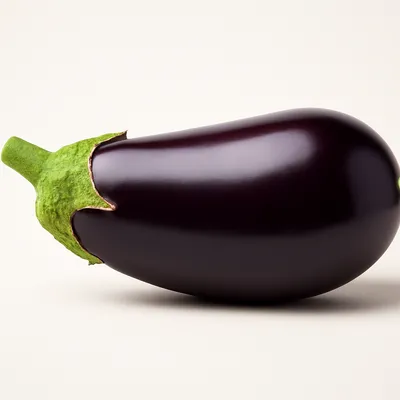
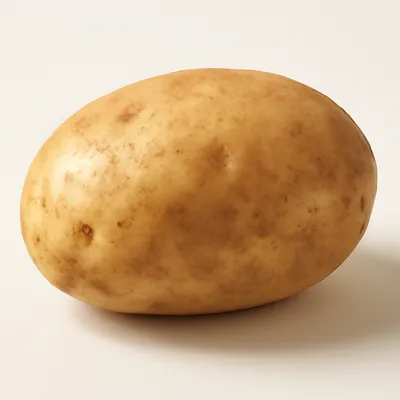
Char eggplant, potato and tomato whole over open flame or coals until skins blacken and flesh softens.
Watch outChar the whole vegetables until their skins blister and blacken and the flesh collapses soft; that blistering is where the smoke goes in.
- 530 min
Roast the stuffed litti over wood embers or hot coals, turning, until the crust is hard, cracked and smoky throughout.
Watch outThe litti is ready when the crust is uniformly hard, visibly cracked and smells of smoke; a soft or pale spot means the inside is still gummy there.
- 612 min
Peel the charred vegetables and mash coarsely with raw mustard oil, finely chopped onion, green chilli, coriander and salt to make the chokha.
Watch outPeel the vegetables while warm and mash coarse, not smooth; the chokha should stay chunky with texture.
- 75 min
Dip or split the hot litti, douse generously with melted ghee, and serve with the chokha.
Archive tool suggestions — not reviewed
These legacy suggestions have not been evidence-reviewed and are not presented as required tools.