
Dal pitha is a steamed rice-flour dumpling from Bihar and Jharkhand, filled with a spiced paste of soaked chana dal — often called the Bihari momo for the family resemblance. A soft rice-flour dough is wrapped around the savoury lentil filling, crimped into a half-moon, and steamed until the skin turns translucent and firm. It comes out light, faintly chewy and clean-tasting, the dal inside warm with ginger, garlic, green chilli and carom. Eaten for breakfast or as a snack with chutney or curry, it is everyday home cooking rather than restaurant fare.





Dal pitha belongs to the broad pitha tradition of eastern India — steamed or boiled rice-flour cakes, sweet or savoury, that run across Bihar, Jharkhand, Odisha, Bengal and Assam — here in its savoury Bihari form with a chana-dal stuffing. Rice and pulses are the staples of the region, and steaming makes a light, oil-free dish, which is part of why pitha is everyday and festival food alike. The 'Bihari momo' nickname is modern, drawn from the shared idea of a stuffed, steamed dumpling. No single inventor or date attaches to it; it is generations-old home cooking that varies house to house.
A soft, slightly springy rice-flour skin, smooth and translucent from steaming, gives way to a moist, coarse-ground chana-dal filling. The dal is savoury and aromatic — gentle heat from green chilli, the warmth of ginger and garlic, a resinous lift from carom seeds, fresh coriander running through. There is no oil or grease; it eats clean and light, the chewy skin contrasting the grainy filling. Dipped in a sharp green or tomato chutney, or broken into a thin dal or curry, it turns into something more substantial.
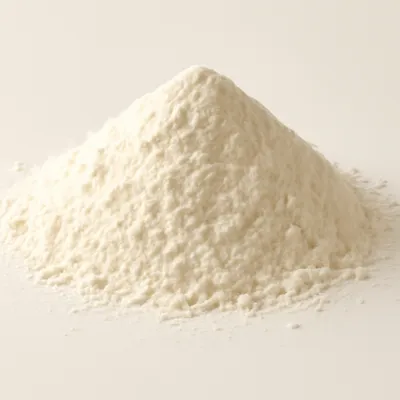
The skin depends on how rice flour is hydrated: it is mixed with hot or boiling water (sometimes briefly cooked) so the starch partly gelatinises, giving a pliable, non-sticky dough that can be rolled thin and pleated without cracking — unlike a cold-water rice dough, which crumbles. The chana dal is soaked then ground coarse rather than smooth, keeping texture, and is seasoned but left raw, finishing inside as the dumpling steams. Steaming (rather than boiling or frying) cooks the dal through and sets the skin gently: the rice starch turns translucent and firm, and because no fat is involved the result stays light. Sealing the crimp well is essential so the filling doesn't leak and the skin doesn't waterlog.
Variations
Fillings vary: chana dal is classic, but urad or moong dal, or a sweet jaggery-coconut filling for a dessert pitha, are all made. Some boil the dumplings in water instead of steaming, then temper them with mustard seeds, garlic and dry chilli in mustard oil (closer to the Jharkhand 'dal pitha in tadka' style). In Jharkhand it is often served with a meat curry. Plain, unfilled rice-flour pitha and the Bengali and Odia steamed pithas are close relatives within the same regional family.
On the Palate
Where Dal Pitha sits in the Indian flavor cloud
Ingredients
Serves 4
How it's made
7 steps · 40 min
- 110 min
Soak chana dal for at least 4 hours, drain, and grind coarse with ginger, garlic and green chilli.
- 28 min
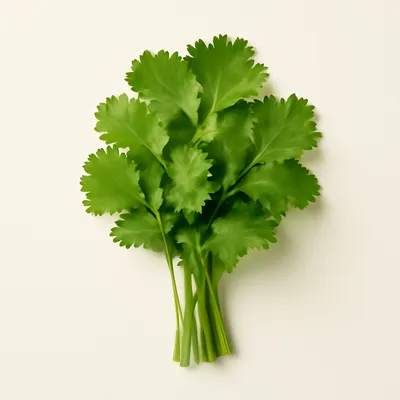
Mix the ground dal with carom seeds, turmeric, chopped coriander and salt into a thick, just-cooked-feeling filling.
- 318 min
Bring water to a boil, add salt and a little oil, then stir in rice flour off the heat to form a soft dough; knead smooth while warm and rest, covered, 15 minutes.
Watch outMix the rice flour with boiling water so the starch part-gelatinizes into a pliable dough — a cold-water rice dough just crumbles and can't be pleated thin.
- 48 min
Take small balls of dough, flatten and shape into thin cups by hand or with a rolling pin.
- 510 min
Place a spoon of the dal filling in each, fold into a half-moon and crimp the edges tightly shut.
- 614 min
Arrange in a steamer and steam for 12 to 15 minutes, until the skins turn translucent and firm.
Watch outSteam twelve to fifteen minutes until the skins turn translucent and firm — that clarity means the rice starch has set and the raw dal inside has cooked through.
- 74 min
Serve warm with a green coriander chutney or alongside a thin dal or curry.
Archive tool suggestions — not reviewed
These legacy suggestions have not been evidence-reviewed and are not presented as required tools.


