
A coarse-grain specialty of northern Shanxi (晋北), built on naked oat — youmai (莜麦), the hulless oat of the loess plateau, ground to youmian (莜面). The flour must be scalded with boiling water, then a small lump is pressed and pushed across a smooth stone or board into a thin sheet, peeled up, and rolled around a fingertip into a short hollow tube. The tubes are stood upright side by side in a steamer so the basket looks like a honeycomb — the shape gives the dish its name, kaolaolao (栲栳栳), after the woven basket it resembles. Steamed for minutes and eaten with a hot mutton gravy or a cold dipping sauce of vinegar, garlic, and chili oil, it is the iconic oat dish of Datong, Xinzhou (忻州), and the Yanbei region, dense, nutty, and deeply chewy.
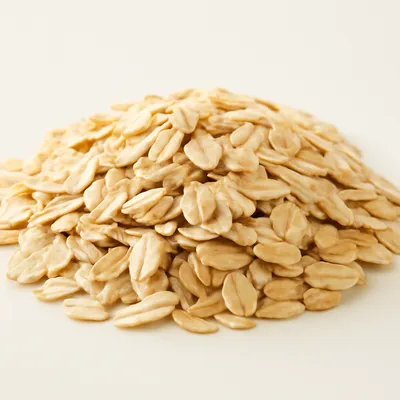




Kaolaolao is the best-known dish in Shanxi's youmian (oat-flour) repertoire, native to the cold, high, dry country of the Yanbei region (雁北) — Datong, Xinzhou, and into neighboring Inner Mongolia — where naked oat grows where wheat struggles and has long been a staple grain. The name 栲栳栳 is the name of a willow-withe basket (also called a 笆斗), which the close-packed honeycomb of upright tubes resembles; the dish is named for its shape, and the exact origin and age of the form are undocumented. Oat itself carries cultural weight on the plateau: it is hardy, filling, and warming, valued as a cold-weather and laboring food, and youmian dishes are a point of regional pride. A common saying holds that youmian must pass 'three cooks' — scalded with boiling water when mixed (一熟), steamed to cook (二熟), and re-warmed or sauced when eaten (三熟) — a piece of genuine kitchen lore that reflects the grain's demands rather than any dated legend.
Oat dough eats nothing like wheat: dense, close-grained, and powerfully chewy, with a deep toasted-nut fragrance and a faint natural sweetness. Each tube is firm and a little rough on the tongue, with real heft and a 'jin-dao' resilience that fills you fast. With a hot mutton gravy poured over, the rolls drink up the savory, gamey juices through their hollow centers and stay springy; with the cold sour-garlic dip they eat clean, bracing, and sharp. Done well, the rolls are even-walled and tender-firm, fragrant with oat. Done badly, the flour was under-scalded so the rolls are crumbly and break apart, or the dough cooled too much before shaping and tore, leaving thick, gummy, uneven tubes.
Scalding the flour is the non-negotiable step, and it is pure starch chemistry. Naked oat has very little gluten-forming protein, so an oat dough mixed with cold water has no stretch and will only crumble. Mixing the flour with boiling water (烫面) gelatinizes a large share of its starch: the granules swell, burst, and turn sticky, and this gelatinized starch acts as the binder that glues the oat particles into a cohesive, workable dough that can be pressed thin and rolled without tearing. The dough must be shaped while still warm, because as gelatinized starch cools it begins to retrograde and stiffen, and a cold oat dough cracks. Pressing a lump across a smooth stone with the heel of the hand stretches it into a translucent sheet of even thickness; lifting and curling it around a finger forms the hollow tube, whose open ends and standing arrangement let steam circulate so every roll cooks through evenly. Steaming sets the shape and finishes gelatinizing the starch, giving the dense, chewy, fully-cooked texture; oat's high content of soluble dietary fiber and protein is what makes the cooked tube so filling.
Variations
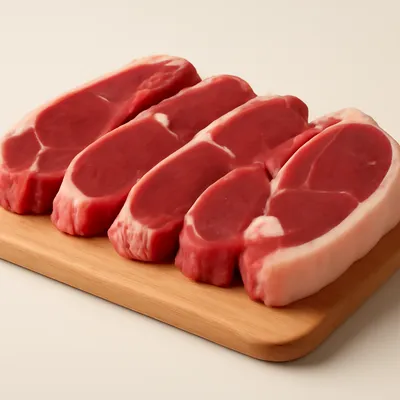
The dressing splits hot and cold. The classic winter bowl is a hot mutton gravy — diced or stewed mutton in its own savory, gamey broth, often called yangrou-shaozi (羊肉臊子) — ladled over the steamed rolls; the warm-weather version is a cold dip of aged vinegar, mashed garlic, chili oil, and sometimes a little soy. Some tables serve a 'three-flavor' set of dips. The same youmian dough is shaped into a whole family of Shanxi oat foods: youmian yutuoer (莜面鱼鱼), little hand-rolled 'fish' tapered at both ends; pushed and grated oat noodles; and oat dough cut into other forms — kaolaolao is simply the rolled-tube member. Across the border in Inner Mongolia the same dish appears under the same name, reflecting a shared plateau oat culture.
On the Palate
Where Oat Noodle Rolls sits in the Chinese flavor cloud
Ingredients
Serves 3

How it's made
7 steps · 35 min active + 15 min waiting
- 16 min
Weigh the naked-oat flour into a bowl and pour over an equal volume of just-boiled water, stirring fast with chopsticks until it clumps; let stand a few minutes until cool enough to handle.
Watch outPour just-boiled water over the oat flour and stir fast — scalding gelatinizes the starch that binds the gluten-free flour; use cool water and the dough only crumbles.
- 24 min
Knead the warm dough until smooth and cohesive, keeping it covered so it does not dry or cool too far.
Watch outKnead and shape the dough while it's still warm — gelatinized oat starch is pliable warm but stiffens and cracks as it cools, so keep it covered and work quick.
- 38 min
Pinch off a walnut-sized lump and, with the heel of the hand, press and push it across a smooth oiled stone or board into a thin, even, translucent sheet.
- 412 min
Peel the sheet up and roll it around a fingertip into a short hollow tube; stand the tube upright. Repeat, packing the tubes side by side in a lined steamer basket like a honeycomb.
- 510 min
Steam over high heat until the rolls are cooked through and firm, about 8-10 minutes.
Watch outSteam eight to ten minutes until the rolls are firm and cooked through — done right they hold their honeycomb shape; underdone they slump and taste raw.
- 615 min
Meanwhile prepare the topping: simmer diced mutton with ginger, scallion, and a little chili into a savory gravy, or mix a cold dip of aged vinegar, mashed garlic, and chili oil.
- 72 min
Serve the steamed rolls hot, topped with mutton gravy or with the cold dip alongside.
Archive tool suggestions — not reviewed
These legacy suggestions have not been evidence-reviewed and are not presented as required tools.


