A crystalline lamb broth sharpened with rice vinegar and cumin, crowded with slippery glass noodles, silken tofu, and snapping wood-ear fungus. The signature Eid hospitality dish of Qinghai's Hui Muslim households.


Fen tang circulated widely across northern China well before the Ming dynasty — both Water Margin and Journey to the West, novels compiled in the fourteenth and fifteenth centuries, record the dish by name. In Water Margin a tavern keeper lists 'steamed buns and fen tang' among his wares; Journey to the West repeatedly places fen tang on the vegetarian tables set before the monks. Hui Muslim cooks across the Northwest adapted the formula to halal standards, replacing pork with lamb or beef and sharpening the seasoning with rice vinegar, Sichuan peppercorn, and cumin. In Qinghai's Hehuang Valley, fen tang became the definitive Eid hospitality dish — households kept a pot simmering through the festival days of Eid al-Adha and Eid al-Fitr to welcome visiting kin. It is traditionally paired with oil-ta-zi, golden layered fried bread, forming the inseparable heart of the holiday spread.
The broth arrives clean and lamb-savory; the vinegar sharpens it instantly into something bright. Glass noodles glide in cool and slippery; tofu offers quiet resistance; a chip of wood-ear snaps — all gathered in one warming bowl.
Collagen in lamb ribs and knuckles slowly hydrolyzes into soluble gelatin during low-temperature simmering, giving the broth viscosity and mouth-coating richness without clouding the liquid. Glass noodles — formed from mung-bean or sweet-potato amylose — gelatinize at around 80°C: the long starch chains swell and partially align in hot water but do not dissolve, creating a translucent, springy texture that holds up in broth. Rice vinegar lowers the soup's pH, volatilising the short-chain fatty acids responsible for lamb odour while simultaneously brightening perception of cumin and Sichuan peppercorn aromatics. Calcium-set tofu softens further in hot broth but retains its protein matrix structure, offering gentle, yielding resistance rather than disintegrating.
Variations
Fen tang jiaozi: separately boiled dumplings slid into the hot broth for a one-bowl meal, popular at weddings and holiday feasts. Festival upgrade: golden needle mushrooms and cloud-ear fungus added alongside glass noodles. Rustic farmhouse version: potato chunks and green radish simmered into the broth. Some households substitute cold tofu jelly strips for glass noodles, giving a firmer, denser chew.
On the Palate
Where Fen Tang (Hui Lamb Broth with Glass Noodles) sits in the Chinese flavor cloud
Ingredients
Serves 4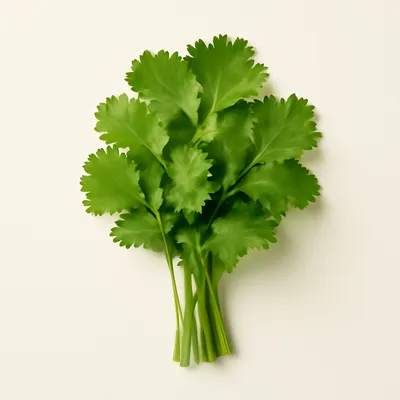



How it's made
7 steps · 15 min
- 15 min
Place lamb ribs in a pot of cold water, bring to a boil, simmer 5 minutes, then drain and rinse under cold water to remove blood and impurities.
- 242 min
Return rinsed ribs to a clean pot; cover with cold water by 5 cm; add ginger slices and Sichuan peppercorns; bring to a boil, skim any remaining scum, then reduce to a gentle simmer for 40 minutes.
Watch outHold the ribs at a gentle simmer, skimming the scum — low heat melts the collagen into a rich, clear broth; a hard boil clouds it and boils off the body.
- 320 min
While the stock simmers, soak dried glass noodles in warm water for 20 minutes until pliable; drain and set aside.
Watch outSoak the glass noodles only until pliable, not fully soft — they finish cooking in the hot broth, and over-soaked ones turn to mush.
- 43 min
Season the finished lamb stock with salt, rice vinegar, and ground cumin; taste and adjust to a bright, sour-savory balance.
- 55 min
Add cubed firm tofu, soaked glass noodles, and rehydrated wood-ear fungus to the seasoned broth; simmer together over medium-low heat for 5 minutes.
- 61 min
Stir in sliced garlic chives and roughly chopped cilantro; simmer 30 more seconds then remove from heat.
Watch outAdd the garlic chives and cilantro at the very end and simmer only thirty seconds — a quick warm-through keeps them bright green and fresh; cook them longer and they go dull and limp.
- 72 min
Ladle into large bowls; add a drizzle of chili oil to taste and serve immediately alongside oil-ta-zi layered bread.
Archive tool suggestions — not reviewed
These legacy suggestions have not been evidence-reviewed and are not presented as required tools.



