A whole Chaohu mallard, salt-cured then smoked over smoldering sawdust until its skin turns amber, and finally simmered in a master stock built from some thirty spices and herbs. Smoke comes first and braising second — the smoke sets the colour and the deep woody aroma, the stock carries the seasoning in and leaves the flesh tender and moist. The result is glossy and rust-gold, the meat fragrant to the bone yet never dry. It is the festive table-centre of Wuwei, eaten cold or warm, torn off the bone by hand.


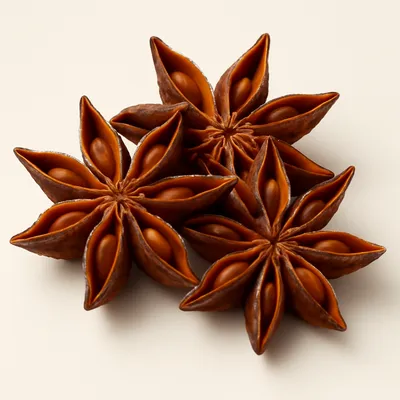

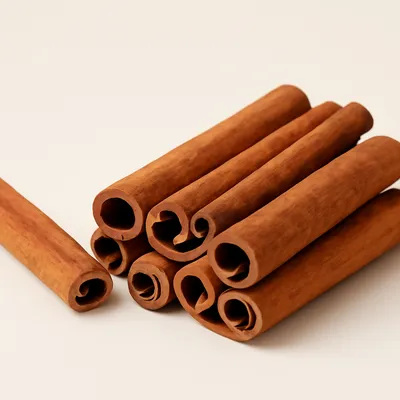
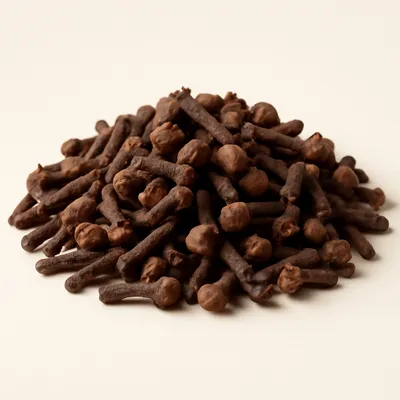
Wuwei smoked duck took shape in Wuwei, on the Yangtze's north bank in Anhui, during the Qing dynasty, and is reckoned to have some two centuries of history. Local accounts credit a Hui beef-seller, Ma Changyou, with refining it and working out the sawdust-smoking method that gives the bird its colour and woody scent. It belongs to the same Wuwei tradition as the better-known salt-pressed flat-cured duck (板鸭); the two are often spoken of as one, but this line leads with hot smoking and a master-stock braise rather than the cure-and-press of the flat duck.
Skin the colour of dark amber, faintly smoky on the nose before the first bite. The flesh pulls cleanly off the bone in moist, deeply savoury strands, the woodsmoke threaded all the way through rather than sitting on the surface. Behind the salt there is a long warm hum of star anise, clove and fennel from the stock. Best eaten with your hands, a little of the spiced jelly from the stock clinging to each piece.
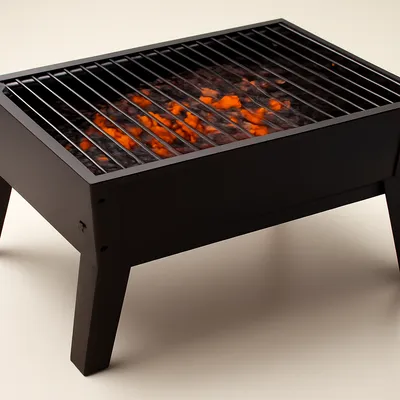
Two heat processes do two jobs. Smoldering hardwood sawdust burns cool and smoky rather than hot, so phenols and carbonyls in the smoke deposit on the salt-dried skin, fixing its amber colour and woody aroma while the surface proteins set. The bird is turned every few minutes for an even coat. The master stock then does the seasoning: a sachet of star anise, Sichuan pepper, cinnamon, clove and fennel among some thirty aromatics simmers with rock sugar, soy and vinegar, and the smoked duck poaches gently in it before resting under banked ashes — low, steady heat that drives flavour inward without toughening the meat.
Variations
Cooks differ on the smoking fuel: pine or fruitwood sawdust each leave a slightly different scent, and tea leaves or sugar are sometimes added to deepen the colour. The closely related flat-cured Wuwei duck (板鸭) is salted and pressed flat rather than led with smoke. Smaller spring ducklings need a shorter braise than an older bird.
On the Palate
Where Wuwei Smoke-Braised Duck sits in the Chinese flavor cloud
Ingredients
Serves 4


How it's made
7 steps · 4 hours
- 1245 min
Clean a whole mallard, rub inside and out with salt and a little curing brine, and cure in a crock for about four hours, turning the bird halfway.
- 290 min
Hang the duck in a draught until the skin is dry to the touch.
Watch outHang the duck until the skin is dry to the touch before smoking — damp skin won't take an even amber color or fix the smoke.
- 340 min
Set the duck on a rack over smoldering hardwood sawdust and smoke, turning every few minutes, until the skin is golden-amber and fragrant.
Watch outKeep the sawdust smoldering cool and smoky, not flaming — turn every few minutes until the skin is golden-amber; open flame scorches instead of coloring.
- 430 min
Build a master stock: simmer water with a spice sachet of star anise, Sichuan pepper, cinnamon, clove and fennel, plus rock sugar, soy sauce, vinegar, ginger, scallion and shiitake.
- 512 min
Lower the smoked duck into the simmering stock and poach gently over low heat for about ten minutes.
Watch outPoach gently at a bare tremble, not a boil — a hard simmer tears the smoked skin and toughens the flesh.
- 632 min
Bank the fire with ashes and let the duck steep, covered, for about thirty minutes so the flavour sets in.
Watch outBank the heat and let it steep so the flavor sets inward — low and steady, never bubbling.
- 78 min
Lift out, cool slightly, then chop or hand-tear and serve, spooning over a little of the stock.
Archive tool suggestions — not reviewed
These legacy suggestions have not been evidence-reviewed and are not presented as required tools.