
A clean, quick Cantonese stir-fry of fresh scallops with celery and carrot. The scallop adductors are sliced, lightly coated, and flashed in hot oil only until their edges turn opaque; the celery and carrot are stir-fried separately so they stay crisp and bright, then everything is tossed together for seconds over high heat with garlic, a splash of wine, and the barest seasoning. The result is pale and fresh-looking — jade celery, orange carrot, ivory scallop — tasting of the sea's sweetness against the green snap of the celery. It is a light banquet and home dish that lives on freshness and timing rather than sauce.
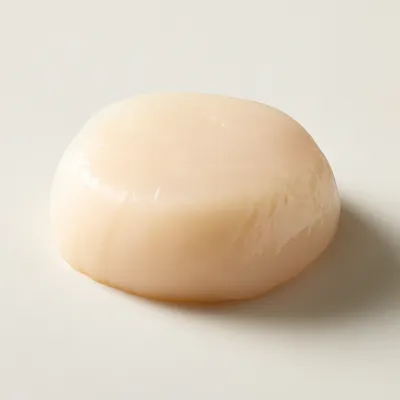
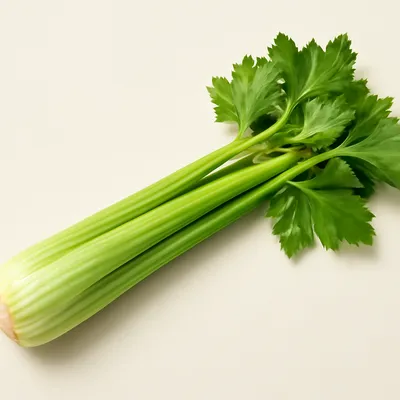


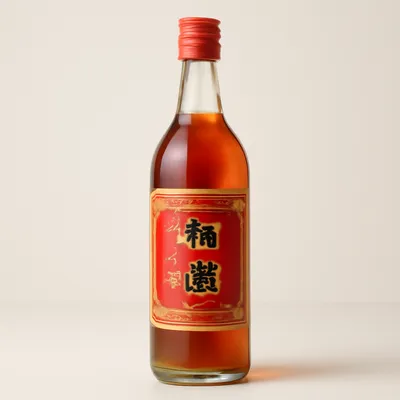

A modern Cantonese stir-fry rather than a dish with a long pedigree — the kind of clean, light seafood-and-vegetable plate that defines everyday Cantonese cooking, where the cuisine's prizing of freshness (鲜) and restrained seasoning shows plainly. 'Daizi' (带子) is the Cantonese term for the scallop's adductor muscle, sold fresh, frozen, or dried; paired with the crisp Western celery (西芹) that became common in Chinese kitchens through Hong Kong and Guangzhou, it makes a fast wok dish typical of tea-house and home menus alike. Carrot and sometimes cashews are standard additions for color and crunch. It belongs to the broad Cantonese practice of 'hua chao' (滑炒), velvet-frying a delicate protein so it stays tender.
Bite a scallop and it gives a soft, springy resistance then a clean sweetness — fresh, faintly briny, never fishy, never rubbery. The celery is the counterpoint: cool, crunchy, with that bright herbal-green note, cut on the bias so each piece is a short crisp wedge; the carrot adds a sweeter, firmer crunch and a flash of orange. Seasoning is barely there — a whisper of salt, the perfume of garlic and rice wine — so nothing covers the scallop. Done right the scallops are just-set and juicy and the vegetables still squeak; overcooked, the scallops shrink and toughen and weep water, and the celery wilts to a dull khaki.
Everything turns on not overcooking the scallop and cooking the vegetables apart. The scallop adductor is mostly water and delicate protein; it is patted dry, often sliced horizontally into thinner rounds, and given a thin coat of starch (and sometimes egg white) so the surface seals fast and holds juice. It is flashed in hot oil for only seconds until the rim turns opaque — its proteins set quickly and a few seconds too long squeezes out the water and toughens it, so it is pulled while the center is barely done and finished in the final toss. The celery and carrot are stir-fried (or briefly blanched) separately first, because they need longer to cook through than the scallop can survive; this 'fen chao' (分炒, cooking components apart) keeps the vegetables crisp-bright and the scallop tender. A quick high flame and a splash of wine at the end deglaze and perfume without stewing anything. There is no thick sauce — a light starch slurry just glosses the surface.
Variations
Cashews (西芹腰果带子) are the most common addition, their toasted richness playing off the crisp vegetables; lily bulb (百合) or snow peas appear in lighter, prettier versions. Some cooks add a few slices of carrot purely for color, others lean on a little garlic and ginger only. A richer treatment glazes the scallops in oyster sauce or a dried-scallop chili sauce rather than keeping them pale and clean. Dried scallops (conpoy) are not used here — this is a fresh-scallop dish — but plump sea scallops, bay scallops, or even shelled prawns can stand in. The constant is the velvet-fry and the separate cooking of the crisp vegetables.
On the Palate
Where Celery & Scallops sits in the Chinese flavor cloud
Ingredients
Serves 3

How it's made
6 steps · 10 min active + 15 min waiting
- 16 min
Pat the scallops dry and slice each horizontally into two or three thinner rounds. Toss with a pinch of salt and a thin coat of cornstarch.
- 24 min
Cut the celery on the bias into short wedges and slice the carrot thin. Blanch both briefly in salted water or set aside to stir-fry first.
- 31 min
Heat oil in a wok until hot; flash the scallops just until the edges turn opaque, a few seconds, then lift out.
Watch outFlash the scallops just until the edges turn opaque, a few seconds, then lift out — the protein sets fast and a moment longer squeezes the water out tough.
- 42 min
Add a little more oil and the garlic; stir-fry the celery and carrot over high heat until crisp-tender and bright.
Watch outStir-fry the celery and carrot over high heat until crisp-tender and bright — cook them soft and you lose the snap that carries the dish.
- 51 min
Return the scallops, splash in the rice wine, season lightly with salt and sugar, and toss everything together for a few seconds.
- 61 min
Finish with the barest starch slurry to gloss, and serve immediately while the vegetables still snap.


