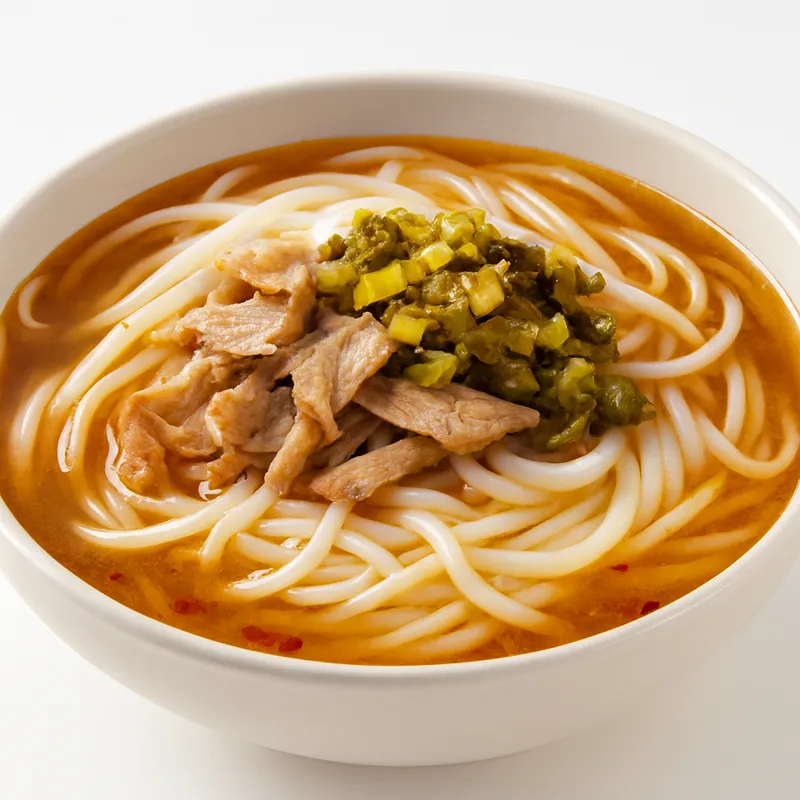
Hairtail segments pan-fried crisp then braised in dark soy, rock sugar, and Shaoxing wine — eaten cold, the sauce set to a sticky glaze.




「本帮」 (literally 「home-school」) cooking is the Shanghai-native style that crystallized in the late Qing-early Republic era around the south-bank Huangpu canteens — sweet, dark, soy-heavy braises designed for cold leftovers in shop-keeper households. Hairtail (带鱼) is winter ocean fish, sold cheap by the meter at markets; cutting it into segments, frying, then braising sweet-dark made it a staple cold-plate that could sit out for days in a Shanghai winter kitchen.
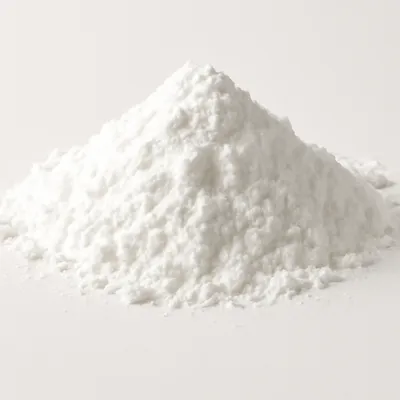
「本帮」 cooking crystallized in late-Qing Huangpu canteens — sweet, dark, soy-heavy braises designed for cold leftovers. Shanghai's rock-sugar load is heavier than any other regional braise; the cornstarch dust is what sets the glaze glassy when chilled.
Cold from the plate, the glaze has gone tacky — it sticks to your chopsticks before it sticks to your tongue. First taste is sweet (Shanghai 「本帮」 uses heavier rock sugar than any other regional braise), then dark soy, then the ginger comes up at the end. Flesh is firm and slips off the central spine in one piece. Eat with cold rice porridge or as the cold opener before a hot meal.
The cornstarch dust does double work: it gives the fry-crust to grip onto, and the residual starch thickens the braise without flour or slurry, so the glaze sets glassy when chilled rather than gummy. Scraping off the silvery layer is the most common home-cook mistake — it is not scale but a fat-rich 'silver grease' (银脂) high in unsaturated fatty acids and lecithin, and it is not the source of the fishy smell; the real off-flavor comes from the black membrane in the belly cavity and blood along the spine, so those should be cleaned while the silver layer is left on (rinsed only with cold water, as it is heat-sensitive).
Variations
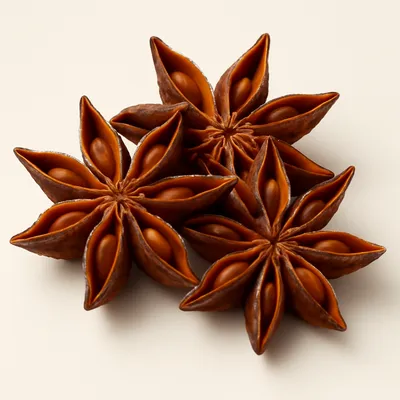
Pudong home cooks keep it darker and saltier; Puxi old-style Shen-Da-Cheng adds star anise; Ningbo-influenced eastern Shanghai bumps the sweetness still higher.
On the Palate
Where Shanghai Red-Braised Hairtail sits in the Chinese flavor cloud
Ingredients
Serves 4



How it's made
6 steps · 15 min
- 18 min
Scrape 600g hairtail clean of its silver coating with the back of a knife — the silver layer turns bitter when braised. Cut into 6cm segments. Pat completely dry, dust lightly with cornstarch.
Watch outScrape only the belly membrane and spine blood clean, but leave the silvery skin on — it's a rich 'silver grease', not scale, and it's not the fishy smell; scraping it off is the classic mistake.
- 26 min
Heat 4 tbsp oil in a wide pan to 180°C. Lay segments in one layer and don't move them for 2 minutes — skin must set into a crust before flipping, or it tears. Fry 2 minutes per side until both faces are deep gold. Lift out.
Watch outOnce the segments hit the oil, don't touch them for two full minutes — the skin has to set into a crust first, or it tears the moment you flip.
- 31 min
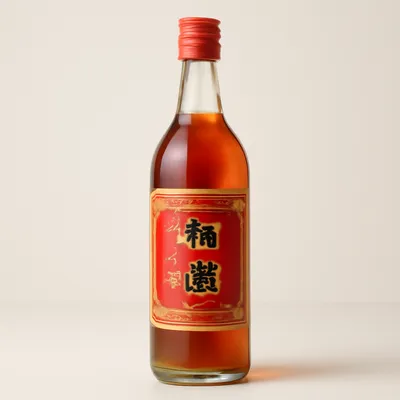
Pour off most of the oil. Add 6 ginger slices, 4 garlic cloves crushed, 2 scallion knots; fry 30 seconds. Deglaze with 3 tbsp Shaoxing wine and let it boil out — this strips the fishy note from the fond.
Watch outPour in the Shaoxing wine and let it boil off completely — the alcohol carries the fishy note out of the fond with it.
- 412 min
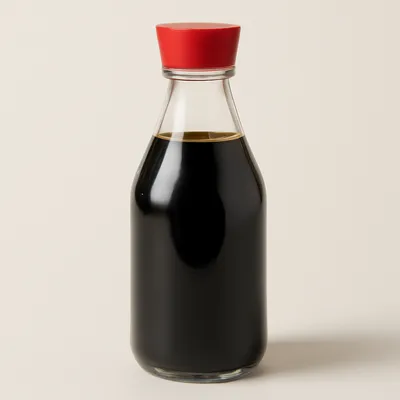
Add 2 tbsp light soy, 1.5 tbsp dark soy, 30g rock sugar, 1 star anise, 1 small piece dried tangerine peel, and 250ml water. Slip the fish back in, single layer. Cover, simmer 12 minutes on low.
Watch outEnsure the fish is submerged in the liquid for even cooking.
- 54 min
Uncover, raise heat. Spoon liquid over the fish for 4 minutes until the sauce reduces to a syrup that coats the back of the spoon — should pull off the pan in heavy ribbons. Lift out onto a flat plate; the glaze sets as it cools.
Watch outSpoon the sauce over until it reduces to a syrup that coats the spoon and pulls off the pan in heavy ribbons — it'll set to a glassy glaze as it cools.
- 660 min
Cool to room temperature, then chill at least 1 hour. Serve cold as a 「冷盆」 alongside other appetizers, never reheated.