Light and savory, light soy sauce offers a delicate balance of umami and saltiness, enhancing flavors without overpowering. This staple condiment is integral to Chinese and East Asian cuisine.
Where it comes from
Light soy sauce has been a fixture in Chinese cooking for centuries, evolving from ancient fermentation techniques to become a fundamental seasoning in countless dishes.
In the kitchen
It is used for marinades, dressings, and stir-fries, providing a nuanced salty flavor that enhances the overall profile of the dish.
Across cuisines
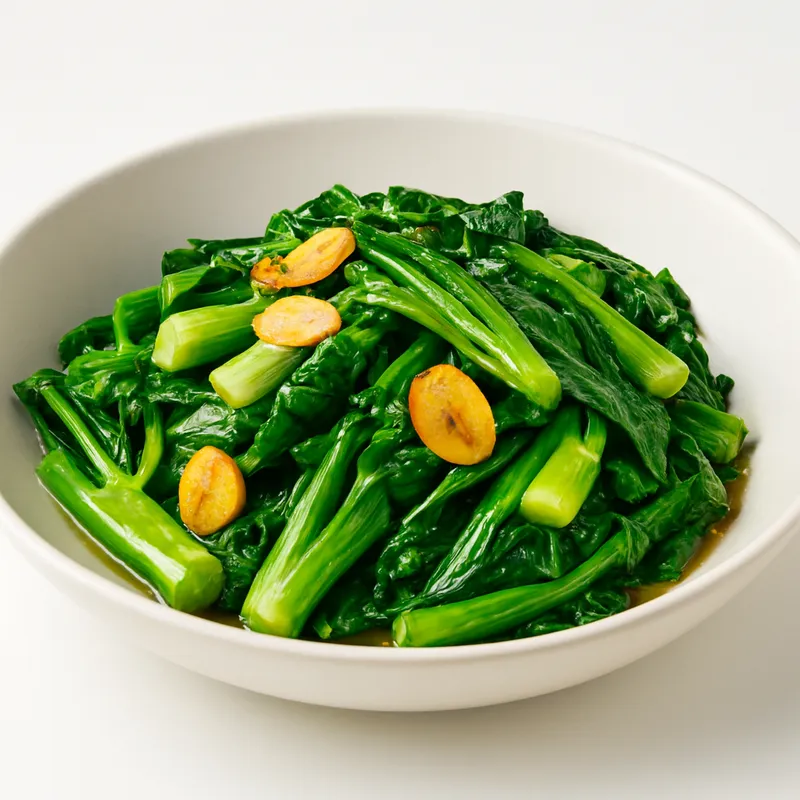
The seasoning soy — used for salting without darkening, as a dipping sauce for steamed fish and dumplings, and as the saucing base for stir-fried greens. Sheng-chou (生抽) is the first pressing from the fermentation tank, lighter in color, higher in salt and aroma than dark soy.
Backbone of scallion oil noodles (葱油拌面) — the sauce is just sheng-chou, sugar, and the strained scallion-infused oil. Also the seasoning soy in Shanghai-style raw-marinated freshwater dishes like 醉虾 and Hangzhou smoked fish marinade.
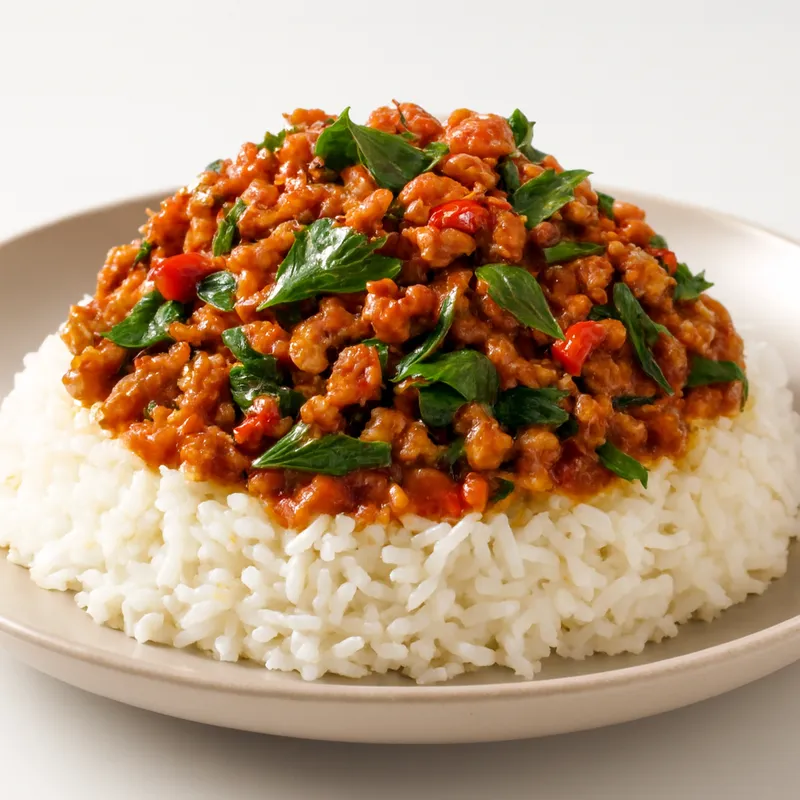
Thai 'siew khao' (ซีอิ๊วขาว, white soy) is the local light soy — used as the everyday seasoning soy across stir-fries, marinades, and dipping sauces. Pad see ew literally means 'stir-fried with soy'; both white and black versions get added.
Notable varieties
First-pressing Cantonese light soy — clear amber, higher salt, brighter fermented aroma. Sold by Lee Kum Kee, Pearl River Bridge, Haday; the everyday seasoning soy of southern Chinese kitchens.
Lighter in color but actually saltier than koikuchi — used in Kansai cooking to preserve the natural color of dashi-simmered vegetables and clear soups. Not the same as light soy elsewhere.
Slightly sweeter and looser than Chinese sheng-chou — fermented with palm sugar in many brands. The everyday Thai seasoning soy; Healthy Boy and Maekrua are restaurant standards.
Soup soy sauce — clearer, saltier, fermented with meju (soybean blocks). Reserved for namul, soups, and stews where color must stay pale; not interchangeable with jin-ganjang.
Nutrition (per 100g)
AI-estimated; model and run unavailable.