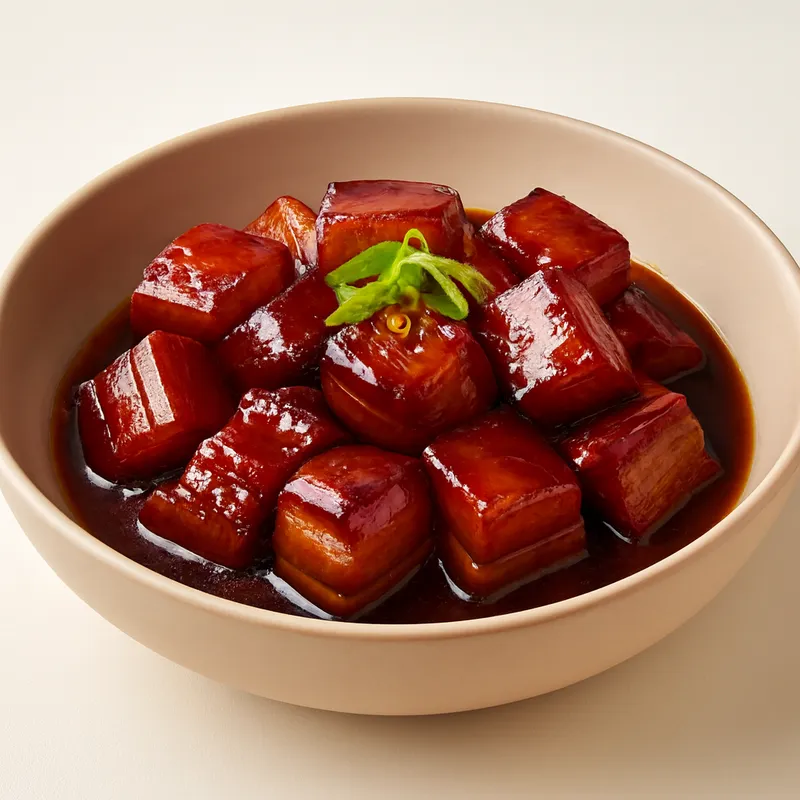
Black carp (or cheaper grass carp) steaks marinated, deep-fried, then plunged into a five-spice sweet-soy sauce — a banquet cold starter, despite the name no smoke is involved.
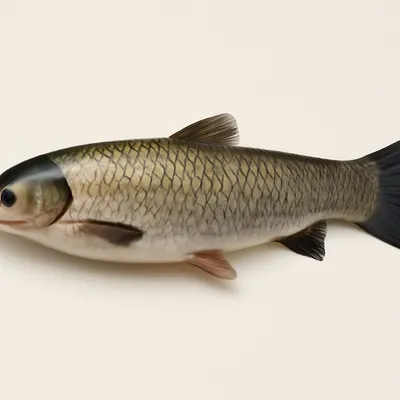


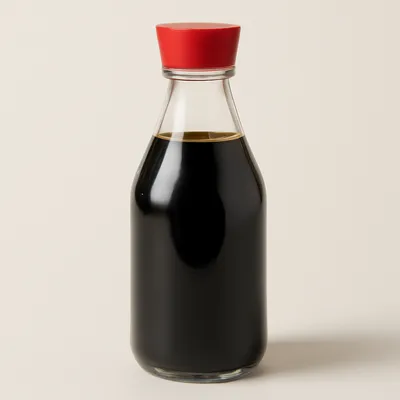
A Hangzhou-Shanghai cold-platter staple from the Republican-era banquet circuit, when grass carp was the cheap pond fish in the Yangtze delta and a way had to be found to serve fish cold without it tasting muddy. Hangzhou's version leans heavier on dark soy and rock sugar than Shanghai's; the name's "smoke" actually denotes a Suzhou technique — frying the fish then steeping it hot in sauce so it absorbs flavor while staying crisp; an older method did include a brief real smoking over cypress twigs, dropped around the 1960s.
No smoke — the name describes the dark glaze color. A Republican-era cold-platter trick to make muddy pond grass carp respectable. The hot-fish-into-cool-sauce thermal shock is what drives flavor into the flesh.
Each piece is mahogany dark, the skin set in a glossy candy-like glaze. Cold from the platter, the outer layer is firm-chewy, the flesh inside still moist. First bite is sugar and dark soy on the lacquered surface, then the slow sour pull of black vinegar, then the clean grass carp underneath. A bone or two is normal — pick around them. If the surface is wet and slick rather than tacky, the sauce was too thin or the fish wasn't hot enough going in.
The hot fish hitting cool-warm sauce is a thermal-shock absorption trick: the surface protein contracts, then steam re-expands the porous fried crust, drawing sauce deep into the flesh — far more than marinating cold fish. Sugar concentration in the sauce (around 25%) is high enough to retard bacterial growth, which is why this dish keeps 2-3 days at room temperature, the original reason for its banquet-platter role.
Variations
Hangzhou version runs heavier on dark soy and rock sugar; Shanghai sweet-and-sour version (熏鱼) is lighter; Suzhou's 爆鱼 finishes with five-spice in the dip; Wuxi's leans hardest on sugar.
On the Palate
Where Hangzhou Smoked Fish sits in the Chinese flavor cloud
Ingredients
Serves 4




How it's made
5 steps · 25 min active + 25 min waiting
- 15 min
Cut a 600g grass carp middle section into 1.5cm thick crosswise steaks. Pat dry with paper towels — wet fish spits in oil and won't crisp.
Watch outPat the steaks bone-dry before frying — any surface water makes the oil spit violently and the skin won't crisp.
- 220 min
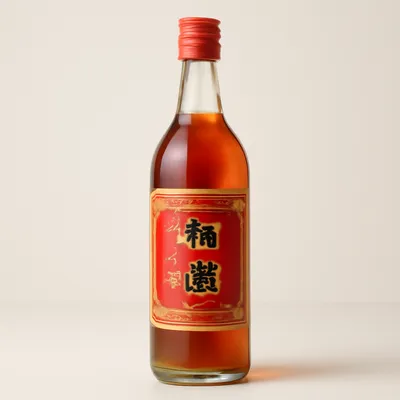
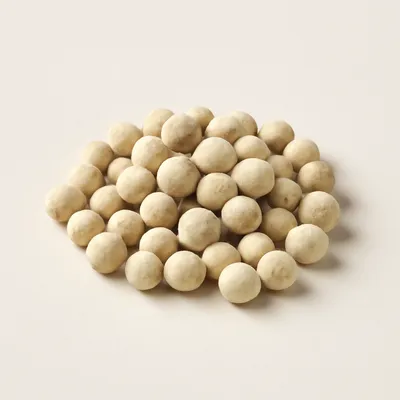
Marinate the steaks for 20 minutes with 30ml light soy, 15ml Shaoxing wine, 4 slices ginger, 2 scallions whacked flat, and a pinch of white pepper. Drain well, discard aromatics.
- 37 min
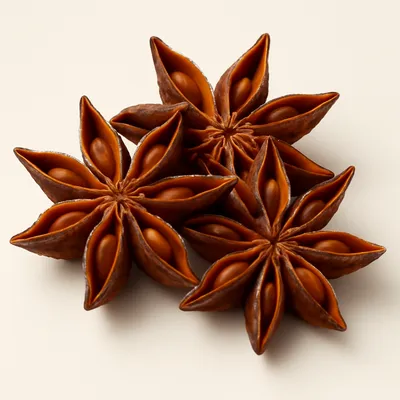
Make the sauce in a bowl: 60ml dark soy, 40ml light soy, 50g rock sugar, 25ml black vinegar, 15ml Shaoxing wine, 1 star anise, 1 small piece cassia, 100ml water. Simmer in a small pan 5 minutes until sugar dissolves and it thickens slightly. Keep warm.
Watch outEnsure the sugar fully dissolves to avoid graininess in the sauce.
- 410 min
Heat 800ml neutral oil to 180°C. Fry the fish steaks in batches, 4-5 minutes each, until the skin is mahogany and the edges are lacy. Lift out.
Watch outPull the fish when the skin is mahogany and the edges go lacy — that crisp porous crust is what drinks the sauce later; pale fish stays soggy.
- 55 min
Drop the hot fried fish straight into the warm sauce. Toss to coat — they will hiss and absorb. Leave 5 minutes, flip once. Lift onto a plate, drizzle some reduced sauce on top. Rest until cool. Serve at room temperature.
Watch outDrop the fish in hot — it should hiss the instant it hits the sauce; that thermal shock is what pulls the flavor deep, so never let it cool before it goes in.