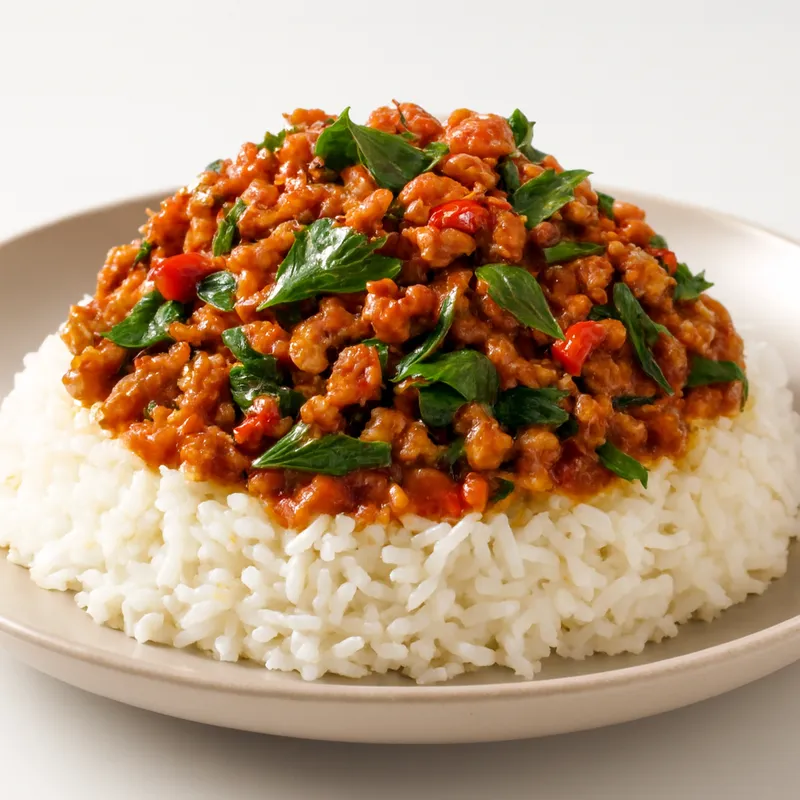
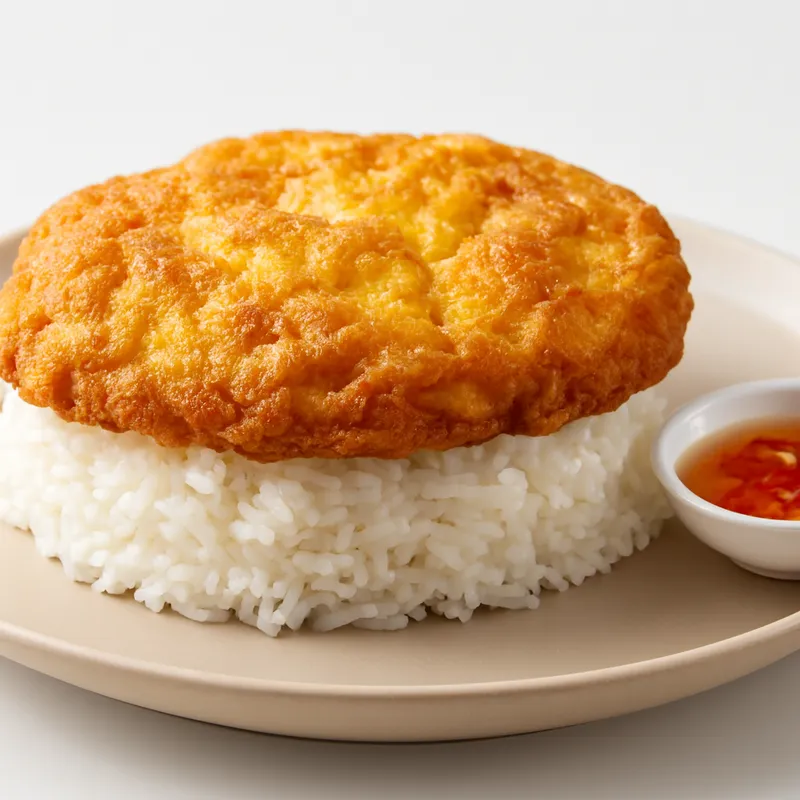
Thai holy basil stir-fry of minced meat with garlic, chilies, and fish sauce, served over rice with a fried egg.




A 20th-century Bangkok street-food creation, popularized as cheap fast food at lunch counters and rice shops from the 1950s onward. Holy basil (Ocimum tenuiflorum) was already in Thai medicinal use; matching it with chili-garlic pounded paste and ground meat over rice produced a single-plate working lunch that became the country's most-eaten dish.
Bangkok one-plate lunch — minced meat stir-fried with Thai holy basil (krapao, never sweet basil) over screaming-hot oil with bird chili and garlic mashed in a mortar. Topped with a fried egg (kai dao) with crispy lacy edges. Wok hei is the whole point.
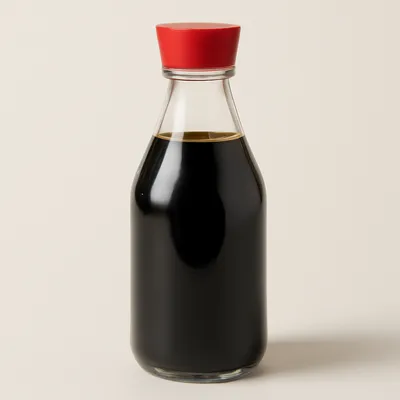
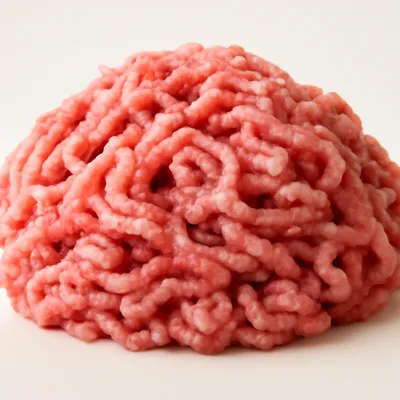
Minced pork or chicken stir-fried hard with garlic and bird's eye chili pounded together, finished with fish sauce, oyster sauce, a touch of dark soy, and a fistful of holy basil (krapao) thrown in off-heat. Served over jasmine rice with a runny-yolk fried egg (kai dao). The basil should taste peppery and clove-like, not like sweet basil — different plant.
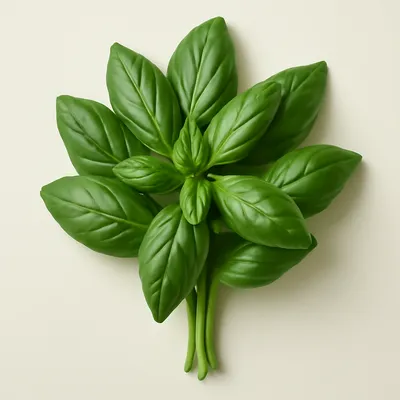
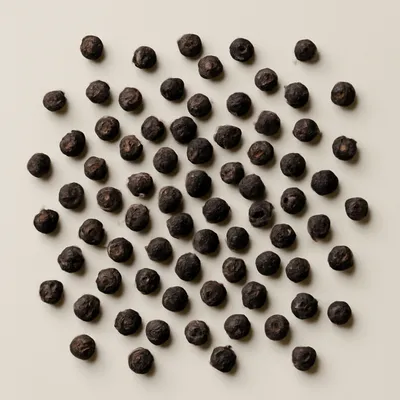
Holy basil ≠ Thai sweet basil ≠ Italian basil. The right plant is darker, fuzzier-leaved, smells of clove and pepper from eugenol — same compound as cloves. Outside Thailand, kitchens substitute Thai basil (anise notes) and the dish loses its bite entirely. The chili and garlic must be pounded, not chopped — pounding releases volatile oil into the meat.
Variations
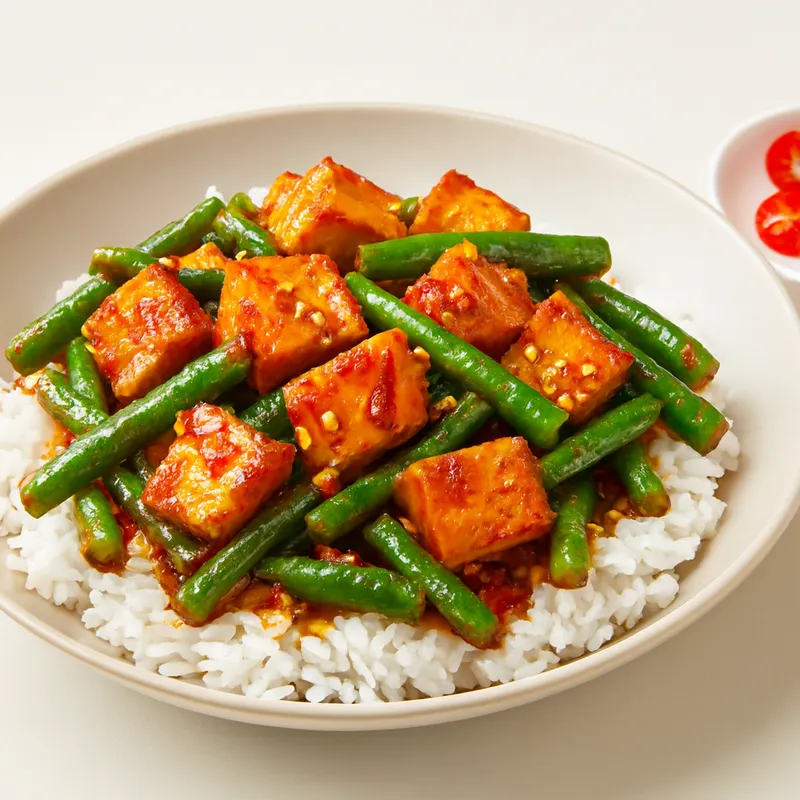
Pad krapao gai (chicken, the canonical street version); pad krapao moo sap (minced pork); pad krapao neua (beef); seafood version uses squid or shrimp; Saraburi-style adds long beans; sweet-basil version is a tourist substitute and not the real thing.
On the Palate
Where Pad Krapao sits in the Thai flavor cloud
Get real holy basil and pound the chili and garlic rather than chop them: the clove-peppery eugenol in holy basil plus the volatile oil pounded out of the aromatics is the entire point of the dish.
Ingredients




How it's made
6 steps · 16 min
- 12 min
Mix soy sauce, fish sauce, oyster sauce, sugar, and a little water in a small bowl. This will be your stir-fry sauce, ready to infuse the pork with flavor.
- 23 min
Heat vegetable oil in a large skillet over medium-high heat. Crack the eggs into the pan and fry until the whites are set and the edges are golden and crispy, while keeping the yolks runny. Remove with a slotted spoon and set aside.
Watch outFry the egg until the whites are lacy-crisp at the edges but the yolk stays runny; that runny yolk is the sauce for the rice.
- 32 min
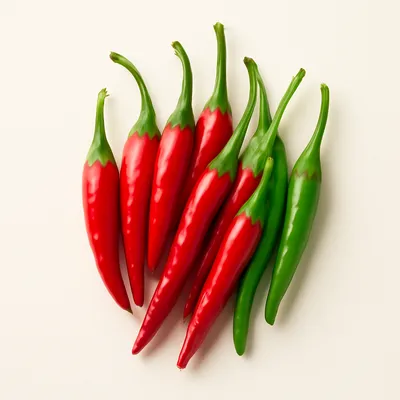
In the same pan, add shallots, chiles, and garlic. Stir-fry until they release their aroma and soften slightly, about 2 minutes.
Watch outStir the aromatics only until they smell sharp and just soften, about 2 minutes; let them scorch and the whole dish turns bitter.
- 45 min
Add the ground pork to the pan, breaking it up with a wooden spoon. Cook until the meat starts to brown, then pour in the prepared sauce. Stir frequently until the liquid is absorbed and the pork is well-coated, about 5 minutes.
Watch outPour the sauce in only after the pork has taken color, then stir until the liquid is absorbed and the meat is glossy and coated.
- 51 min
Remove the pan from the heat and stir in the basil leaves, letting them wilt from the residual heat. The basil should be fragrant and vibrant.
Watch outOff the heat, fold in the basil and let it wilt from residual warmth so it stays aromatic and green.
- 63 min
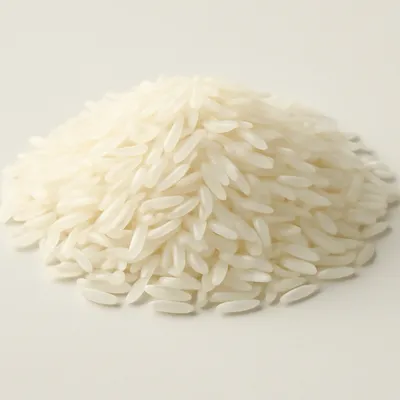
Serve the stir-fry over steamed jasmine rice, topping each portion with a crispy fried egg. The richness of the yolk will complement the spicy, savory pork.
Archive tool suggestions — not reviewed
These legacy suggestions have not been evidence-reviewed and are not presented as required tools.
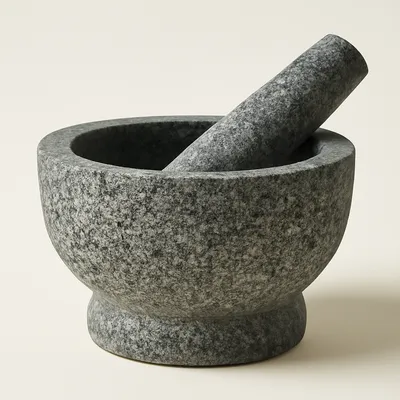
The simplest tool in any kitchen: a heavy bowl and a club to bash things in it. Different cuisines use different stones — Thai cooks pound green papaya in a tall granite mortar (krok hin); pesto Genovese requires the soft-pored Carrara marble; Indian masalas grind down on rough basalt. The bash-don't-cut motion releases volatile oils that a blade keeps sealed in the cell wall.

A heavy, single-piece cast iron pan, 25-30 cm across, weighing 1.5-2.5 kg. Once preheated, the thick mass holds 230°C+ even when a cold steak hits the surface — that's the secret to a deep crust. A well-seasoned skillet (multiple thin layers of polymerized oil baked into the iron) is essentially nonstick, gets better with use, and lasts a century. Lodge skillets from Tennessee have been in continuous production since 1896.