
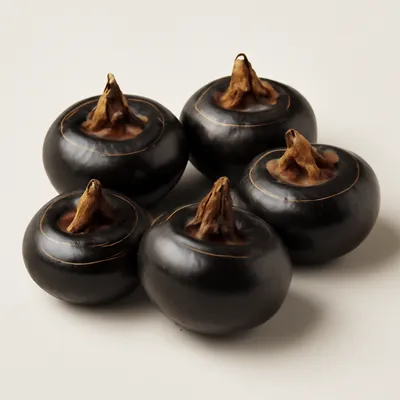
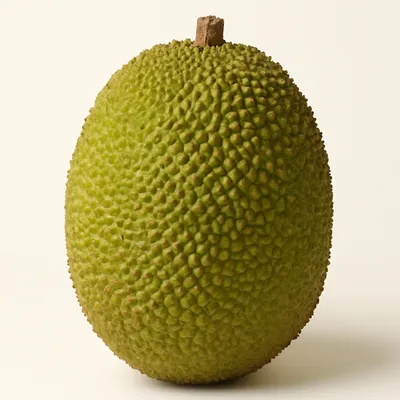
Ruam mit is a chilled Thai dessert whose name means 'gathered friends' — an assortment of sweet bits pooled in cold, lightly salted coconut milk over crushed ice. A typical bowl mixes red-edged water-chestnut 'rubies' in tinted tapioca coating, slippery pandan jelly strands, shreds of fragrant jackfruit, sweet palm seeds or beans, and sometimes lod-chong droplets or grass jelly. There is no fixed lineup; the point is contrast — chewy against crunchy against soft, all bound by creamy coconut and the chill of ice. It is sold at markets and dessert stalls in a cup or bowl, eaten with a spoon as a cooling hot-weather treat.



Ruam mit is a folk assembly rather than a single invented recipe, and no inventor or origin date is securely recorded. It belongs to the wider Southeast Asian family of iced coconut-milk desserts — kin to Malaysian and Indonesian ais kacang and cendol bowls — in which assorted sweet morsels are combined and served cold. Its components are themselves established Thai sweets (tub tim krob 'rubies,' lod chong, candied jackfruit, palm seeds), so ruam mit reads as the practice of pooling them in one bowl. The combination almost certainly spread with ice as cold desserts became common at Thai markets through the 20th century, but precise documentation is thin and any 'first bowl' claim should be treated as folklore.
Each spoonful is a different mouthful: a red ruby cracks with a crisp tapioca shell over a juicy water-chestnut crunch, a pandan jelly strand slips and softly snaps, a shred of jackfruit floods in sweet and floral. Underneath, the coconut milk is cool, creamy, and just salty enough that the sweetness lifts rather than cloys, while crushed ice keeps everything bracingly cold and the milk thin enough to drink down at the end. The pleasure is textural — no two bites the same.
The bowl works by contrast engineering. The 'rubies' are diced water chestnut tossed in tapioca flour and boiled: the starch coating gelatinizes into a translucent, springy shell while the chestnut inside stays raw-crisp, giving a crunch-within-chew. The pandan jelly and lod-chong droplets are set or retrograded starch gels, soft and slippery. Jackfruit and palm seeds add natural sweetness and aroma — pandan's grassy, rice-like scent comes from the compound 2-acetyl-1-pyrroline. The unifying element is the coconut milk: a pinch of salt sharpens flavor contrast and makes the sugar taste sweeter, and serving everything over ice keeps the gels firm, the chestnut crisp, and the coconut milk thin and drinkable rather than heavy.
Variations
There is no canonical set, so bowls differ by stall and season. Common add-ins are tub tim krob rubies, lod chong droplets, pandan or grass jelly, jackfruit, sugar-palm seeds (luk chid), sweet red or mung beans, sweet corn, taro or sweet potato cubes, and tapioca pearls. Some versions lean lighter on pandan coconut milk; others pour a fuller palm-sugar syrup. Closely related are the Malaysian and Indonesian ais kacang / cendol bowls, which share the iced-coconut-and-assorted-morsels idea but lean harder on dark palm-sugar syrup and red beans.
On the Palate
Where Ruam Mit sits in the Thai flavor cloud
Ingredients
Serves 4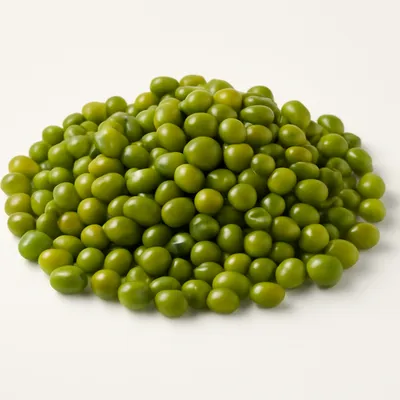

How it's made
8 steps · 35 min active + 10 min waiting
- 112 min
Prepare the rubies: dice peeled water chestnuts, toss in a little red-tinted syrup, coat thoroughly in tapioca flour, shake off excess, then boil until the coating turns translucent and floats; lift into ice water to firm.
Watch outBoil the tapioca-coated water chestnut only until the coating turns clear and floats; the chestnut inside should stay raw-crisp for the crunch-within-chew, so lift it into ice water at once.
- 28 min
Make pandan jelly or lod-chong strands ahead and chill, or use ready-made jelly cut into strips.
- 35 min
Slice ripe jackfruit into thin shreds; rinse canned palm seeds or beans and drain.
- 44 min
Make a light coconut sauce: warm coconut milk gently with a pinch of salt and a touch of sugar, do not boil, then cool fully.
Watch outWarm the coconut milk with a pinch of salt but never let it boil, or the dairy skins and splits; the salt is what makes the sugar taste sweeter by contrast.
- 53 min
If a sweeter pour is wanted, melt palm sugar with a little water into a thin syrup and chill.
- 61 min
Chill all the components separately so nothing warms the coconut milk at assembly.
- 71 min
To serve, spoon an assortment of the components into a cup or bowl.
- 81 min
Pour over the cold salted coconut milk, add a little palm-sugar syrup if using, top generously with crushed ice, and serve at once with a spoon.


