Pandan Leaf
Fragrant and sweet, pandan leaf imparts a subtle, grassy flavor and bright green hue to dishes. Its distinct aroma, reminiscent of vanilla and coconut, makes it a cherished ingredient in Southeast Asian desserts and savory dishes alike.
Where it comes from
Pandan leaf is integral to Southeast Asian cuisine, especially in Thai, Indonesian, and Malaysian dishes. Known as 'screw pine', its use has been documented for centuries in traditional recipes and rituals.
In the kitchen
Pandan leaf acts as a flavor enhancer, often used in infusions or wrapped around meats and rice to impart its aromatic qualities. Its vibrant color also makes it a visual delight in desserts.
Across cuisines
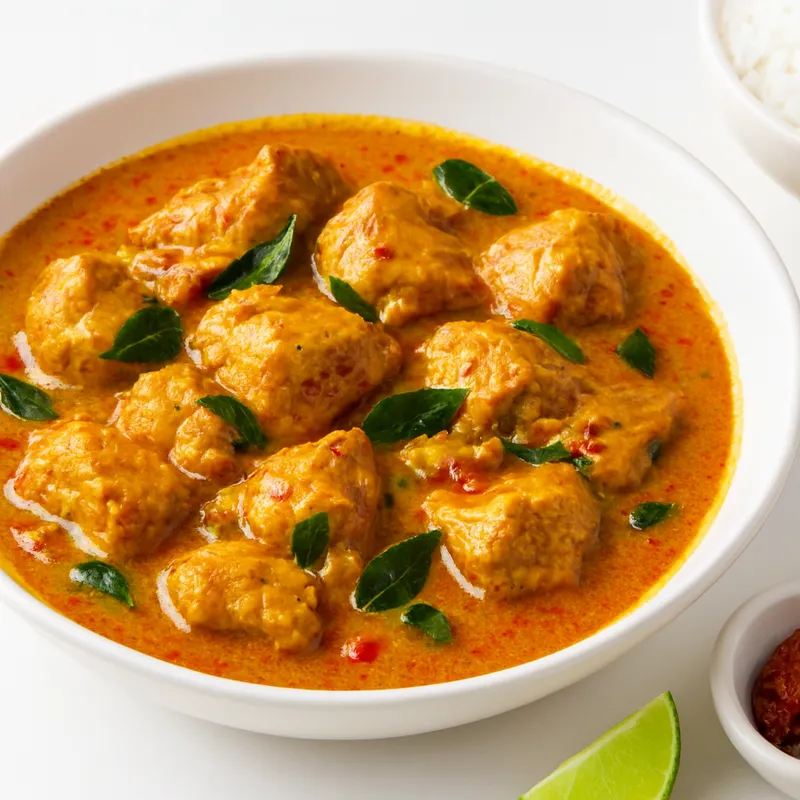
In Sri Lankan cuisine, pandan leaves are often used as part of the aromatic base in curries and rice dishes. They are typically combined with curry leaves, lemongrass, and spices to form a fragrant base that enhances the overall flavor profile. The leaves are usually tied into knots to release their essential oils during cooking.
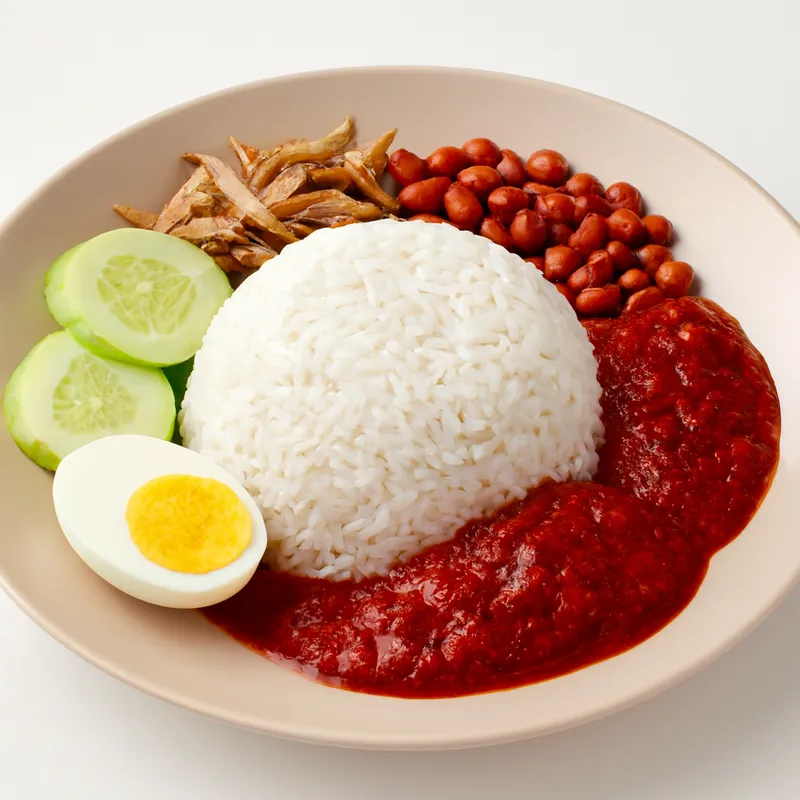
Malaysian cuisine uses pandan leaves in both sweet and savory dishes. In savory dishes like Nasi Lemak, pandan leaves are often used to infuse rice with a subtle fragrance. For desserts such as Cendol, pandan extract is used to impart a distinct green color and aroma.
In Vietnamese cuisine, pandan leaves are primarily used to infuse desserts and drinks with their unique aroma. They are often steeped in water or coconut milk to extract their flavor, which is then incorporated into sweet dishes like Che. The use of pandan leaves is essential for achieving the characteristic aroma and taste.
Nutrition (per 100g)
AI-estimated; model and run unavailable.