
Cha manao is the milk-free, citrus cousin of Thai iced tea: strong-brewed black tea sweetened with sugar, sharpened with fresh lime juice, and poured over crushed ice. Where cha yen is creamy and orange from condensed milk, cha manao is clear amber-to-rust, tart, and refreshing — tea and lime instead of tea and dairy. It is a standard street-cart and food-court drink, brewed from the same orange-tinted Thai tea blend but finished sour rather than sweet-milky. The result is bracing and thirst-quenching, built for hot weather.
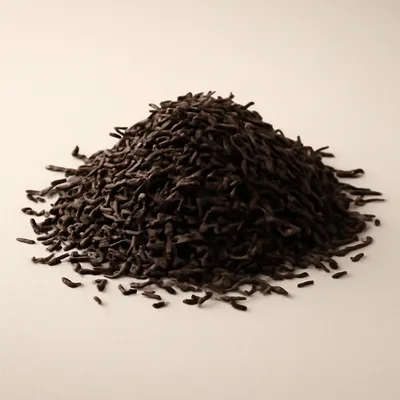

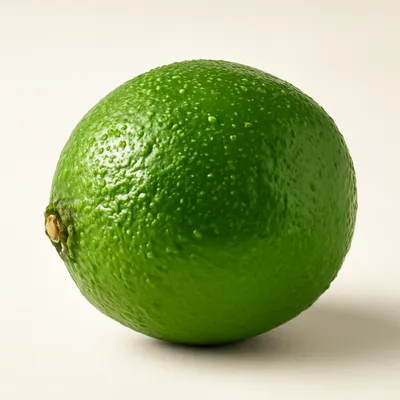


Cha manao has no single inventor; it is a folk variation within the Thai iced-tea repertoire that grew up alongside cha yen on Bangkok street carts through the 20th century. The same pre-blended Thai tea powder — sold by brands such as ChaTraMue (founded 1945) — that made cha yen reproducible underlies cha manao too; the lime-and-sugar finish is simply the un-milked version of the same brew. Its sour-tea structure also echoes the broader Southeast Asian habit of cutting iced tea with citrus. No origin date or first-maker is securely documented, and the drink is best read as a standard menu variant rather than a dish with a fixed history.
Clear and rust-amber in the glass, no creamy cloud. The first sip is cold and sharply tart, lime hitting before the tea's tannin and faint spice come through; sugar sits underneath to round the sourness. Without milk to mask it, the black tea reads bolder and more astringent, and the lime keeps it lively rather than heavy. A pinch of salt, sometimes added, lifts the citrus aroma and softens the acid's edge. It finishes clean and dry — a sour, cooling drink rather than a sweet-creamy one.
Two details matter. First, the brew strength: like cha yen, the Thai tea blend is brewed several times stronger than Western iced tea because the ice melts and dilutes heavily — under-brew and the lime overwhelms a thin, watery tea. Second, the lime: manao juice is squeezed in fresh just before serving, because lime juice oxidizes within an hour and picks up a bitter, oily off-note from peel contact, and because its acid and aromatics are brightest fresh. Sugar is dissolved into the hot or warm tea first, since it dissolves slowly once cold; the lime and ice go in last to preserve the citrus aroma. A pinch of salt, if used, makes the sugar taste sweeter and rounds the sourness.
Variations
Sweetness and sourness are adjusted to taste, and some stalls add a pinch of salt or a splash of soda water for a fizzy version. It overlaps with lemon iced tea on many menus, though the Thai tea blend gives a more aromatic, spiced base than plain black tea. Related drinks from the same brew include cha yen (with condensed and evaporated milk), cha dam yen (sweet black tea, no milk and no lime), and cha yen yen-yen (extra ice, weaker). Nam manao — limeade without tea — is the non-tea sibling that shares the lime-sugar-salt structure.
On the Palate
Where Cha Manao sits in the Thai flavor cloud
Ingredients
Serves 2How it's made
8 steps · 12 min active + 3 min waiting
- 14 min
Bring water to a boil and steep a heaped measure of Thai tea blend (or strong black tea) for several minutes until very dark and strong.
Watch outBrew the tea far darker and stronger than looks right — the ice will melt and dilute it heavily, and a weak brew lets the lime take over.
- 21 min
Strain the tea well to remove all leaves; the brew should be intense, since ice will dilute it heavily.
- 32 min
While the tea is still hot, stir in sugar until fully dissolved.
- 43 min
Let the sweetened tea cool to warm or room temperature, then chill if time allows.
- 51 min
Squeeze fresh lime juice just before serving and add a tiny pinch of salt if liked.
Watch outSqueeze the lime only at the last minute — juice squeezed early goes bitter and oily within the hour and dulls the drink.
- 61 min
Fill tall glasses with crushed ice.
- 71 min
Pour the sweetened tea over the ice, then stir in the fresh lime juice to taste.
- 81 min
Drop in a slice or twist of lime, adjust sweetness and sourness, and serve at once.
Archive tool suggestions — not reviewed
These legacy suggestions have not been evidence-reviewed and are not presented as required tools.


