
Nam anchan is a herbal iced drink made from butterfly-pea flowers steeped in hot water, which stains the liquid a vivid, almost electric blue. Lightly sweetened and served cold over ice, it is mild and faintly grassy on its own; the showpiece is the color, which shifts to purple and then magenta-pink the moment lime juice is squeezed in. Sold at markets, cafés, and health stalls, it doubles as refreshment and spectacle. The flavor is gentle and clean, the visual transformation the main event.




Nam anchan has no single inventor; it is a traditional Thai herbal water made from anchan (Clitoria ternatea, the butterfly-pea vine), a plant long grown across Thailand and used both as a drink and as a natural blue food dye for sweets and rice. The flower's color-changing property has been known and used in Thai and wider Southeast Asian kitchens for generations. As a sweetened iced beverage it is a folk and home preparation rather than a documented commercial creation, though butterfly-pea drinks have spread widely in modern cafés for their dramatic color. No origin date or first-maker is securely recorded.
In the glass it is a deep, saturated blue unlike any other natural drink. The taste is mild — clean, lightly sweet, with a faint grassy, woody-tea note and little astringency. Over ice it is cooling and easy to drink. The moment lime goes in, the blue blooms into violet and then a clear pink-magenta, and the flavor turns tart and brighter alongside the color shift. Honey or sugar keeps it gently sweet; on its own it is closer to a delicate herbal infusion than a bold tea.
The color and its shift are pH chemistry. Butterfly-pea flowers are rich in anthocyanins — specifically ternatins, a group of polyacylated anthocyanin pigments — which are blue in neutral water but change color with acidity: as the liquid becomes more acidic, the pigment's molecular structure shifts and the blue turns purple, then red-pink. Squeezing in lime drops the pH and triggers exactly this transition, which is why the drink reddens on contact. The pigment is water-soluble and extracts readily into hot water; over-steeping or boiling hard can dull both the color and add a vegetal bitterness, so a gentle hot steep is best. Sweetener and salt are flavor adjustments only and do not drive the color change the way acid does.
Variations
Most often finished with lime for the color change; honey-lime and lemongrass-anchan blends are common, and some versions add pandan or a pinch of salt. Without lime it stays blue; with more acid it goes pinker. The same butterfly-pea infusion is used far beyond drinks — to tint Thai rice and sweets blue, and in layered desserts. Modern cafés serve dramatic two-tone versions where blue tea is layered over a lighter base so the color gradient is visible, sometimes as a soda or with sparkling water.
On the Palate
Where Nam Anchan sits in the Thai flavor cloud
Ingredients
Serves 2How it's made
8 steps · 8 min active + 7 min waiting
- 12 min
Heat water until hot but not at a hard rolling boil.
- 24 min
Add a handful of dried butterfly-pea flowers and steep gently until the water turns a deep, even blue, a few minutes.
Watch outSteep the flowers just until the water turns an even deep blue, a few minutes — no longer, or the color dulls and a vegetal bitterness creeps in.
- 31 min
Strain out the flowers; over-steeping dulls the color and adds bitterness.
- 42 min
Stir in sugar or honey to taste while the infusion is still warm so it dissolves fully; add a pinch of salt if liked.
- 55 min
Let the blue infusion cool, then chill.
- 61 min
Fill glasses with ice and pour over the cold blue tea.
- 71 min
Serve with a wedge of lime on the side.
- 81 min
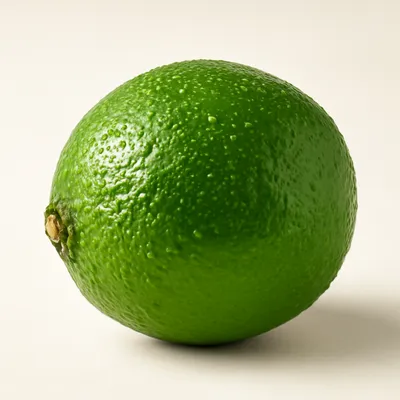
Squeeze the lime in at the table to watch the drink turn from blue to purple-pink, then stir and drink.
Watch outSqueeze the lime in at the table and watch the blue swing to purple-pink on contact — that instant color change is the whole show.
Archive tool suggestions — not reviewed
These legacy suggestions have not been evidence-reviewed and are not presented as required tools.


