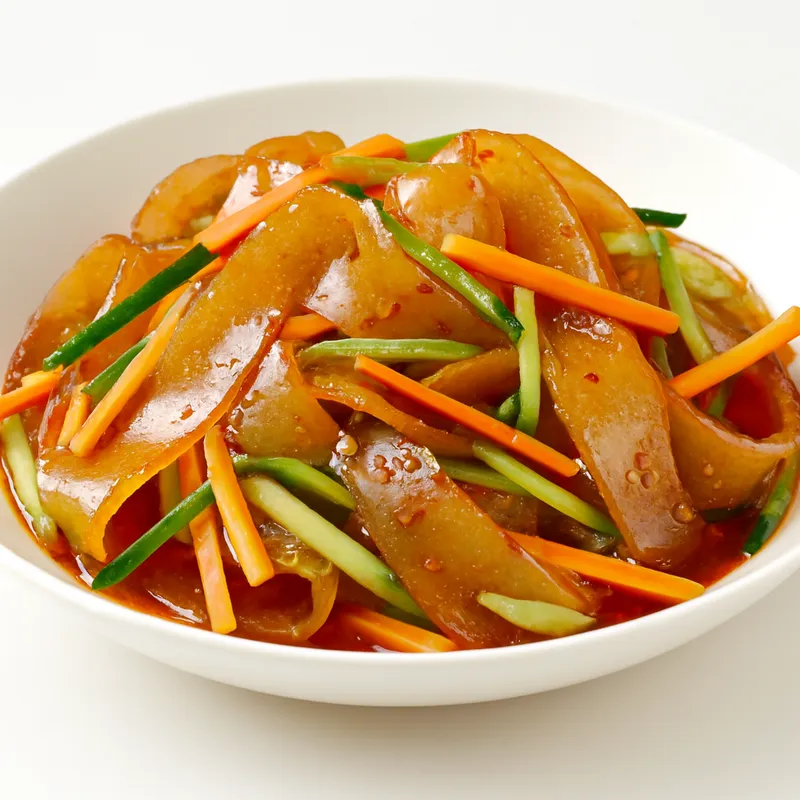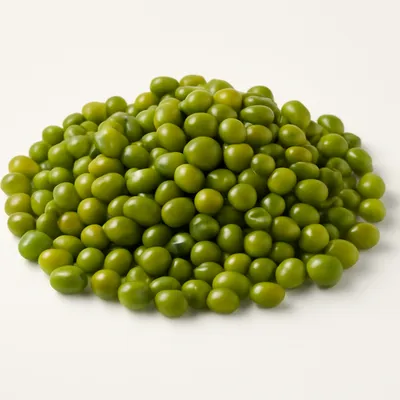
Mung beans are small, green legumes with a slightly sweet, earthy flavor and a tender texture. They are highly versatile, often enjoyed sprouted, boiled, or ground into flour for various uses.
Where it comes from
Mung beans originated in India and have been cultivated throughout Asia for centuries. They are a staple in many Asian dishes, particularly in Indian and Chinese cuisines, where they are celebrated for their health benefits.
In the kitchen
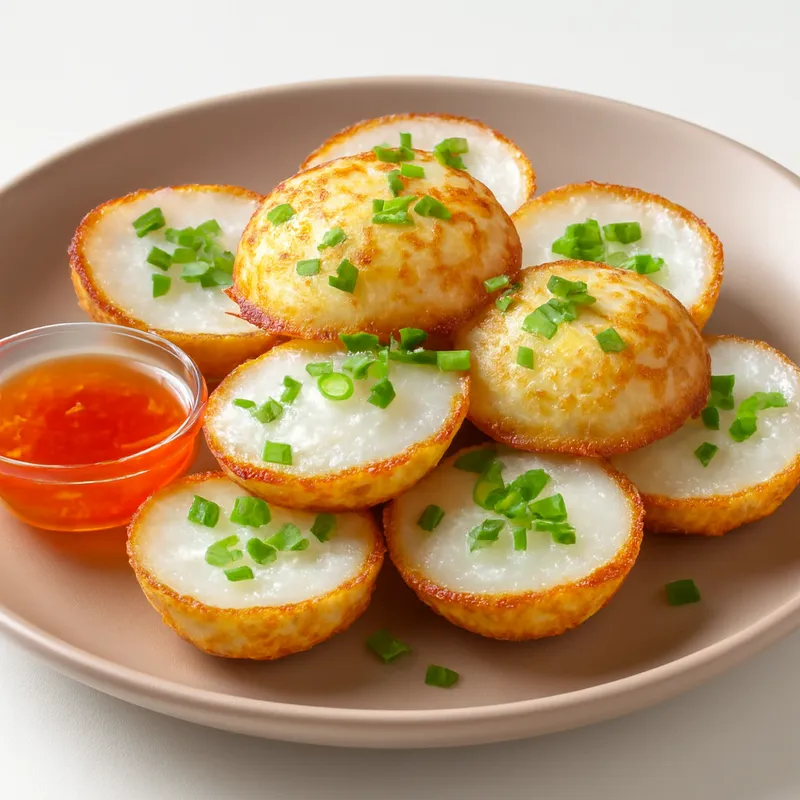
Mung beans can be boiled for soups, used in stir-fries, or sprouted for salads. Their flour is commonly used in desserts and pancakes, showcasing their versatility across cuisines.
Across cuisines
Mung beans — cooked with corn and pumpkin in batar daan, a key Timorese legume. Source: Wikipedia (East Timorese cuisine).
Mung beans — central to mash khurda (Tajik mung-bean-and-rice porridge), the traditional postpartum recovery food. Also in dumpling stuffings.
Nutrition (per 100g)
AI-estimated; model and run unavailable.
Pairs well with