A stir-fry of goya (bitter melon), balancing its crisp bitterness against savory tofu, pork, and egg.




A staple of Okinawan home cooking documented since at least the Ryukyu Kingdom era (15th-19th century), when bitter melon was a year-round subtropical crop and shima-dofu was a daily protein. The word 「チャンプルー」(champuru) is Okinawan dialect for "mixed up" — the dish names its method. Spam entered the recipe after 1945 with the U.S. military presence, and stayed.
Ryukyu Kingdom-era home cooking — bitter melon was a year-round subtropical crop, shima-dofu the daily protein. The word champuru is Okinawan for mixed-up. Spam joined after 1945 with the U.S. military presence and stayed. Salt-and-squeeze the goya before the wok pulls cucurbitacin down to sharp-but-not-punishing.
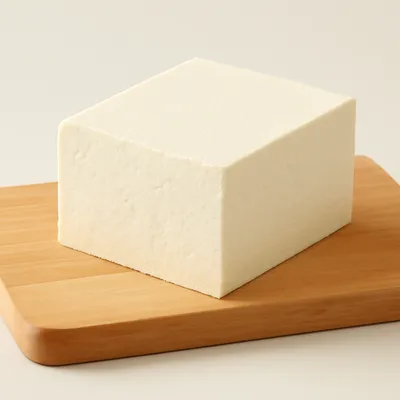
Bitter melon (goya) sliced into pale-green half-moons, stir-fried fast with cubed firm tofu (Okinawan shima-dofu, denser than mainland tofu), spam or pork belly, and a swirl of beaten egg that sets in ribbons. Soy and dashi go in at the end. The bitterness is the point — sharp on the back of the tongue, cut by egg fat and pork salt. If the goya goes army-green and limp, it sat in the wok too long.
Salting and squeezing the goya before the wok pulls out cucurbitacin — the bitter compound — to a level that's sharp but not punishing. Skip this and the bitterness dominates everything. Shima-dofu is critical for structure: regional kinugoshi or momen tofu releases water mid-stir-fry and turns the pan into a stew. The egg goes in last and stays loose, never scrambled hard.
Variations
Naha-style goya champuru with spam is the postwar default; fu-champuru subs gluten-puff fu for the goya in winter; tofu champuru drops the bitter melon entirely; somin champuru uses thin wheat noodles; Ishigaki Island runs a saltier mainland-Hokkaido salt-pork version.
On the Palate
Where Goya Champuru sits in the Japanese flavor cloud
Salt and squeeze the bitter melon before it hits the wok: a 10-minute salt draws out the cucurbitacin to a sharp-but-pleasant bitterness — skip it and the bitterness swallows the whole dish.
Ingredients



How it's made
6 steps · 18 min active + 10 min waiting
- 13 min
Cut the bitter melon in half lengthwise, scoop out the seeds, and slice into thin half-moons. Sprinkle with salt and let sit for 10 minutes to reduce bitterness, then rinse and pat dry.
Watch outAfter salting, rinse and squeeze the slices dry — you want them limp and beaded with water gone, which is the sign the harsh bitterness has left with it.
- 25 min
Slice the pork belly into thin strips. Heat a large pan over medium-high heat, adding the pork. Cook until the edges are golden and crispy, about 5 minutes.
Watch outEnsure the pan is hot enough to achieve a good sear without steaming the meat.
- 34 min
Add the tofu to the pan, breaking it into large chunks. Cook until the tofu is golden brown on the outside, stirring occasionally, about 4 minutes.
Watch outSear the tofu chunks undisturbed until a golden crust forms before you stir — a skin gives it structure so it won't crumble to mush later.
- 43 min
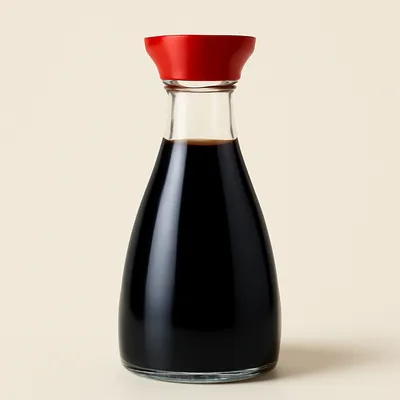
Add the bitter melon slices to the pan, stirring to combine. Pour in soy sauce and stir-fry until the melon is tender but still slightly crisp, about 3 minutes.
Watch outAvoid overcooking the bitter melon to maintain its texture and flavor.
- 51 min
Crack the egg into the pan, stirring quickly to scramble and coat the ingredients. Cook until the egg is just set, about 1 minute.
Watch outPour the egg in last and pull it off the heat while it's still glossy and barely set — a second too long and it dries out stiff.
- 62 min
Serve hot, topped with a generous sprinkle of bonito flakes that will dance in the heat.
Archive tool suggestions — not reviewed
These legacy suggestions have not been evidence-reviewed and are not presented as required tools.