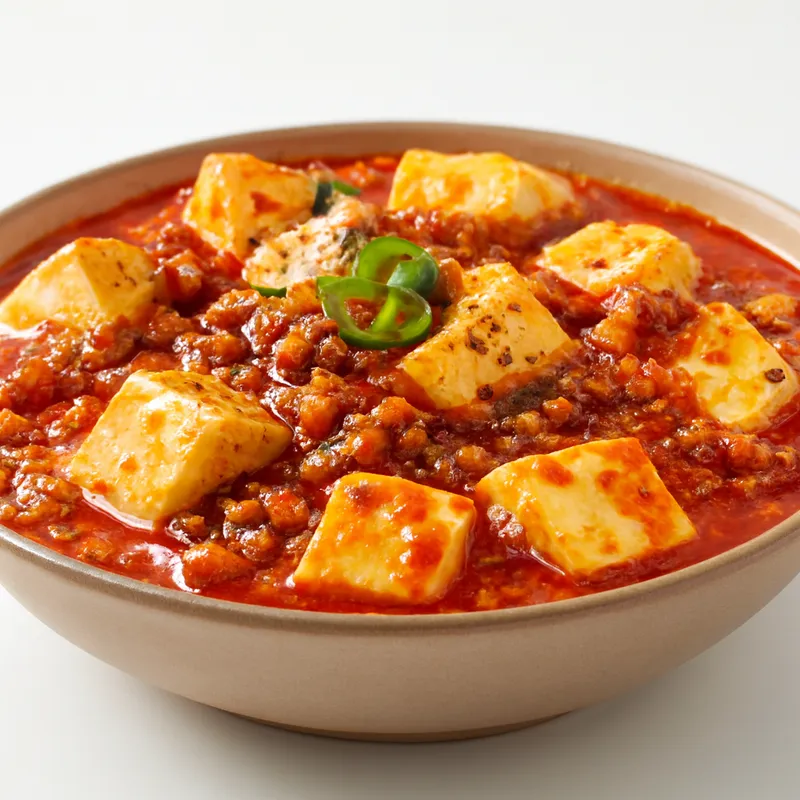
回锅肉 (hui guo rou, "return-to-the-wok meat") is a Sichuan home-kitchen staple of at least Qing-dynasty origin (17th–19th century) and is widely called the test of a Sichuan cook — every household has a version. The two-step method (boil, then stir-fry) was a thrift technique: poached pork from the day before, recycled into a fresh hot dish. Chengdu uses garlic shoots (蒜苗/青蒜); Chongqing favors garlic bolts (蒜薹) and adds fermented black beans.
Hui guo rou — pork belly boiled whole, cooled, sliced thin, then stir-fried with Pixian doubanjiang and leek. The 'lantern' curl when the fat hits the wok is the visual tell.
Curls of pork belly, fat side translucent and edged in dark brown, lean side caramelized, tossed with thick-cut garlic-shoot segments, fermented black bean, and the brick-red sheen of doubanjiang chili paste. The fat has rendered and crisped at the edges — each slice lifts off the plate light, not greasy. Salty-spicy, faintly sweet from the leek char. If the pork is gray and limp, the wok was too cool.
The boil is short and at gentle heat — the pork should be just cooked through, then chilled before slicing thin; this is what gives the curl in the wok. Pixian doubanjiang (郫县豆瓣) is non-negotiable, and it must be fried slowly in oil until the oil turns red and the paste smells nutty before anything else goes in — raw doubanjiang tastes flat. The dish is fast but the wok must be smoking before pork hits.
Variations
Chengdu version uses suan miao (garlic shoots); Chongqing pushes more chili and adds black-bean; Guizhou-style adds pickled chili; some kitchens swap in green pepper when garlic shoots are out of season.
On the Palate
Where Twice-Cooked Pork sits in the Chinese flavor cloud
Boil the pork just through, chill it, then slice it thin — that firm cold slice is what curls into the little cups in the wok and lets the doubanjiang cling.
Ingredients





How it's made
5 steps · 49 min
- 130 min
Place the pork belly and sliced ginger in a pot. Cover with cold water by 1 inch and bring to a boil. Reduce heat to medium-low and simmer for 30 minutes until cooked through.
Watch outKeep it at a lazy simmer, not a hard boil — the belly should be just cooked through, still holding its shape.
- 210 min
Remove the pork and rinse under cold water. Pat dry with paper towels and slice into thin pieces, about 1/8 inch thick.
- 35 min
Heat vegetable oil in a wok over medium-high heat until shimmering. Add the pork slices in a single layer and stir-fry until golden brown, about 5 minutes.
Watch outThe slices should sizzle hard and start to cup and curl at the edges — that's the fat rendering and the shape you want.
- 43 min
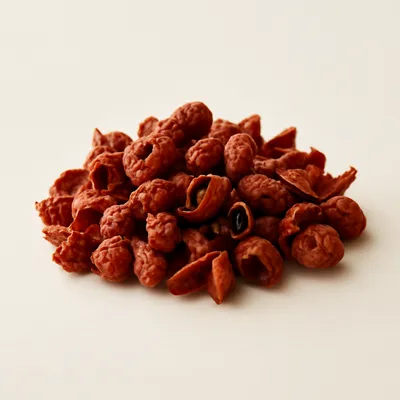
Add sliced garlic, doubanjiang, and Sichuan peppercorns to the wok. Stir-fry until fragrant, coating the pork evenly.
Watch outFry until the oil runs red and the paste smells toasty and nutty, no raw bean smell left.
- 51 min
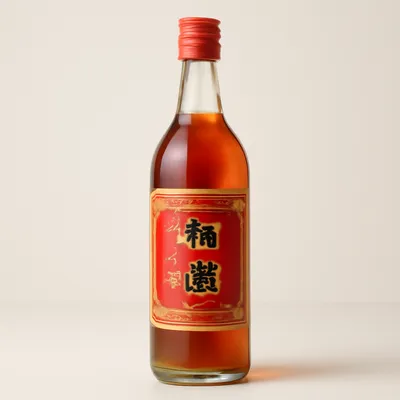
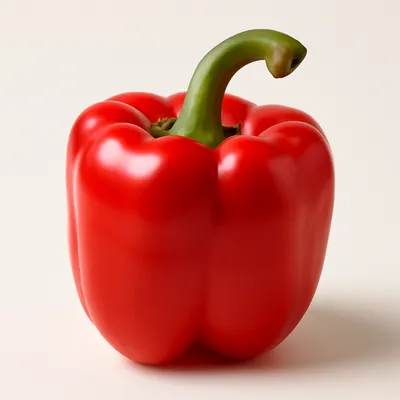
Increase heat to high and add sliced peppers, scallions, Shaoxing wine, soy sauce, and sugar. Stir-fry for 1 minute until the scallions are tender.
Watch outKeep an eye on the scallions to avoid overcooking them.