



Created in 1608 for King Gwanghaegun of Joseon by retainer Yi Chunghyon, originally a noodle-less vegetable dish — the noodles entered in the early 20th century after sweet potato starch noodles arrived from China. The dish was elevated court food long before it became a household staple. The name 잡채 literally means 'mixed vegetables,' which is what it was for 300 years.
Joseon court dish from the 17th century — originally noodle-less, just vegetables and meat. The sweet-potato-starch noodles came later in the 1900s. Each ingredient is sautéed separately, then tossed at the end — never mixed in one pan.
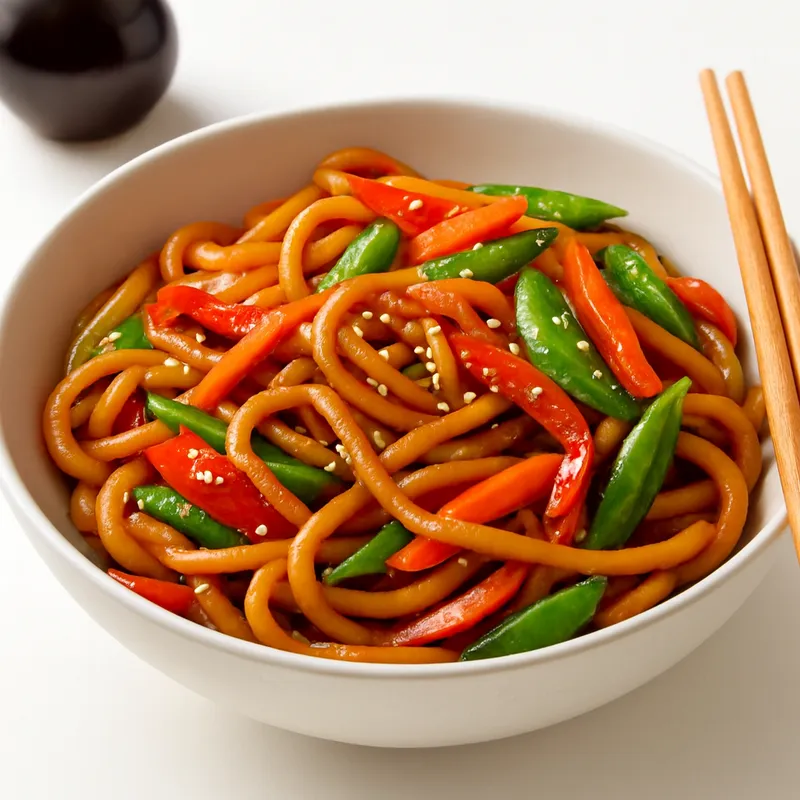
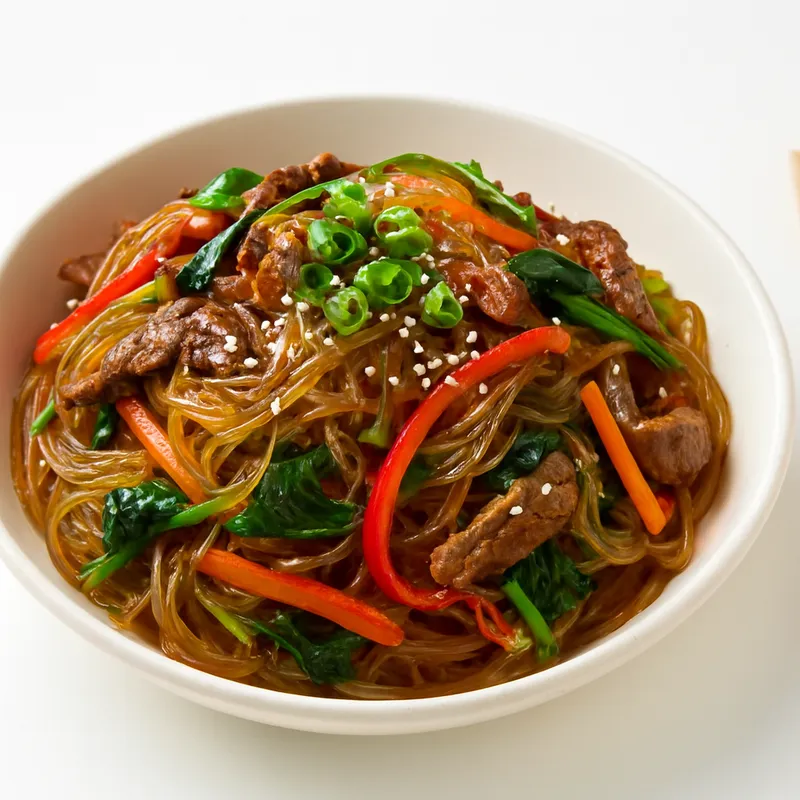
Translucent sweet-potato glass noodles (dangmyeon) tossed with julienned vegetables, beef, mushroom, spinach, all glossy from sesame oil and a sweet soy dressing. Served warm or at room temperature — never cold. Each ingredient is cooked separately first, then combined, so colors stay distinct. Toasted sesame seeds on top. The noodle is chewy, not soft; if it's mushy, it overcooked.
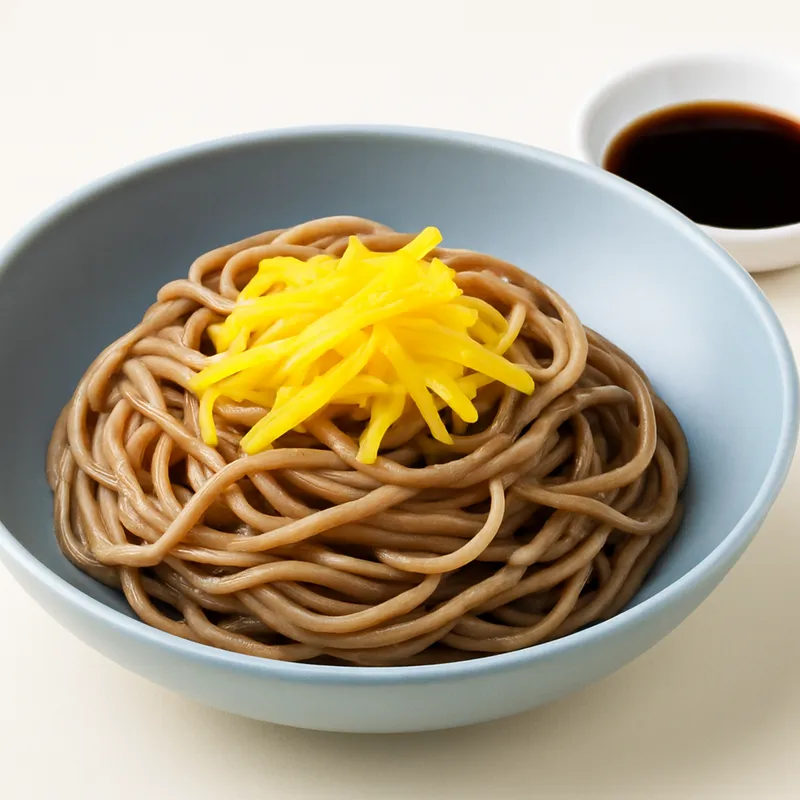
Dangmyeon is the load-bearing element — sweet potato starch gives a chew that mung bean or wheat noodles can't match, and it stays slick rather than gummy when cooled. The noodles must be soaked, boiled briefly, drained, and tossed in sesame oil before assembly — this prevents clumping and lets the dressing coat each strand evenly.
Variations
Royal-court japchae (no noodles, just vegetables); modern home-style (with dangmyeon); japchae bap (over rice as a one-bowl meal); jeolla version is sweeter; vegetarian japchae uses just mushroom and spinach.
On the Palate
Where Japchae sits in the Korean flavor cloud
Get the sweet potato starch noodles right: cook them just to translucent and chewy, then toss in sesame oil while warm so they stay slick and glassy instead of clumping into a gummy knot.
Ingredients
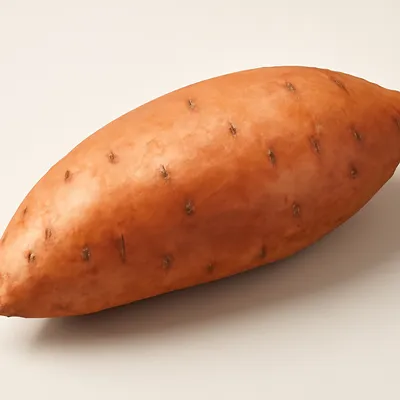



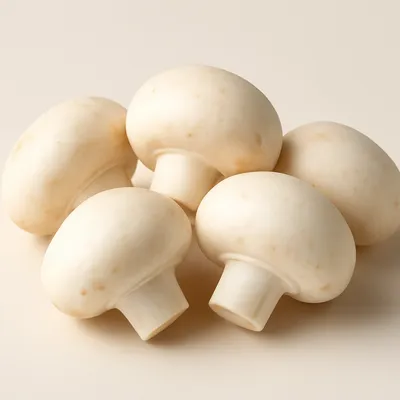


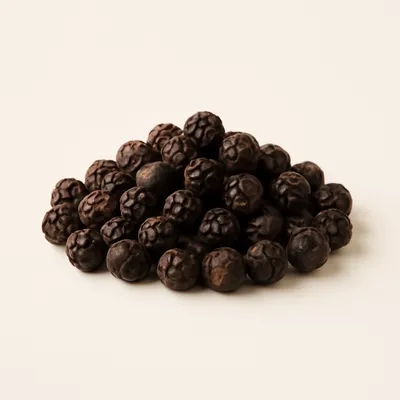
How it's made
5 steps · 20 min
- 18 min
Bring a pot of water to a boil and add the sweet potato starch noodles. Cook them until they become translucent and tender, about 6 minutes. Drain and rinse under cold water to stop the cooking process.
Watch outThe noodles are done the moment they go from opaque white to clear and glassy — pull them then, before they soften.
- 24 min
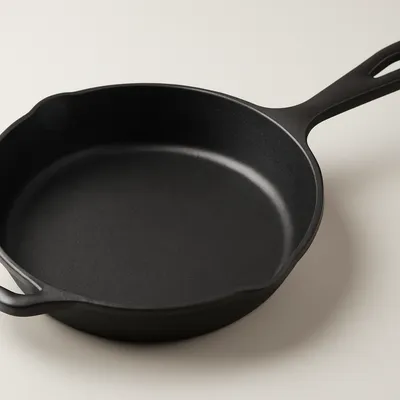
In a large skillet, heat a tablespoon of sesame oil over medium-high heat. Add sliced onions and carrots, stirring until the carrots are vibrant and the onions turn translucent, about 4 minutes.
Watch outCook until the onion turns translucent and the carrot goes vivid orange; you want them tender but not browned.
- 33 min
Add the shiitake mushrooms to the skillet and stir-fry until they release their earthy aroma and become tender, about 3 minutes.
- 43 min
Add the drained noodles to the skillet along with soy sauce and sugar. Toss everything together, allowing the noodles to soak up the sauce and the flavors to meld, about 3 minutes.
Watch outToss until the sauce is absorbed and the strands take on an even amber sheen with no puddle of liquid left in the pan.
- 52 min
Finally, add the spinach and minced garlic, stirring until the spinach wilts and the garlic becomes fragrant, about 2 minutes. Sprinkle sesame seeds over the dish before serving.
Watch outSpinach only needs to just wilt and stay green; the second it collapses and the garlic smells fragrant, it's ready.
Archive tool suggestions — not reviewed
These legacy suggestions have not been evidence-reviewed and are not presented as required tools.