In Practice
Joseon Soorasang (수라상): 12 small dishes + 3 main dishes + rice + soup + stew + kimchi, served on red lacquered table-stands (소반). Sinseollo (神仙爐) brass charcoal pot at table center. Knife-cut to 0.3-mm width julienne (chae-sseolgi). The pan-fried jeon must show all five colors. Failure mode: substituting modern restaurant timing — royal cuisine's silent-refill etiquette and 3-hour pace cannot be compressed into a 75-minute tasting menu without losing the architecture.
Background
In the Joseon Dynasty, spanning from the late 14th to the early 20th century, Royal Cuisine, or 궁중요리, emerged in the palaces of Seoul. It was a time of prosperity, where the court's demand for elaborate feasts fueled culinary innovation. The emphasis was on balance, harmony of flavors, and health, aligning with Confucian ideals prevalent in the society. Unlike other regional cuisines, Royal Cuisine was less about bold spices and more about subtle elegance, rendering it unique to the aristocratic life of the era.
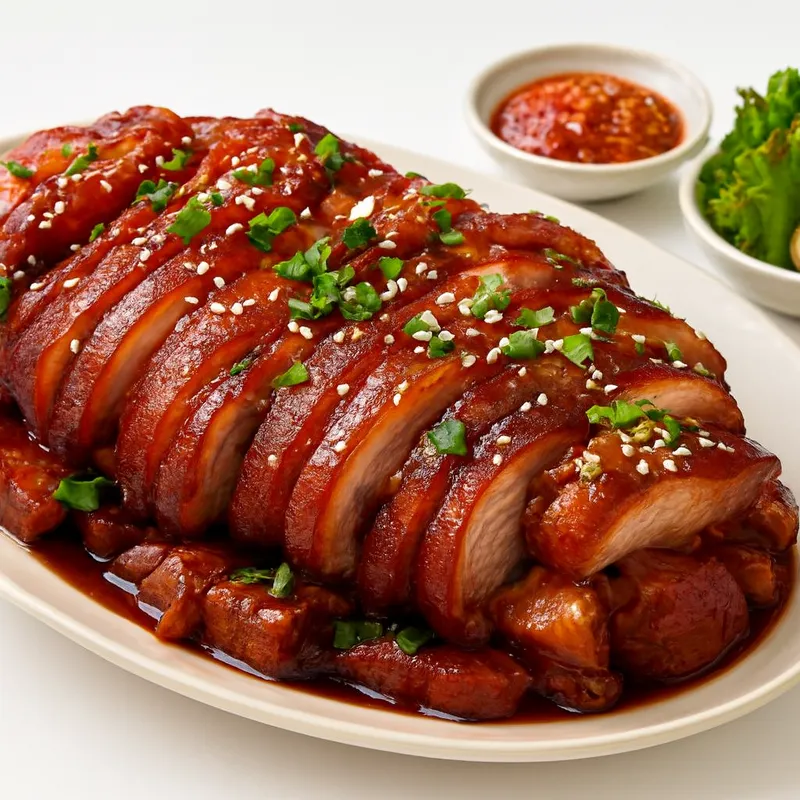
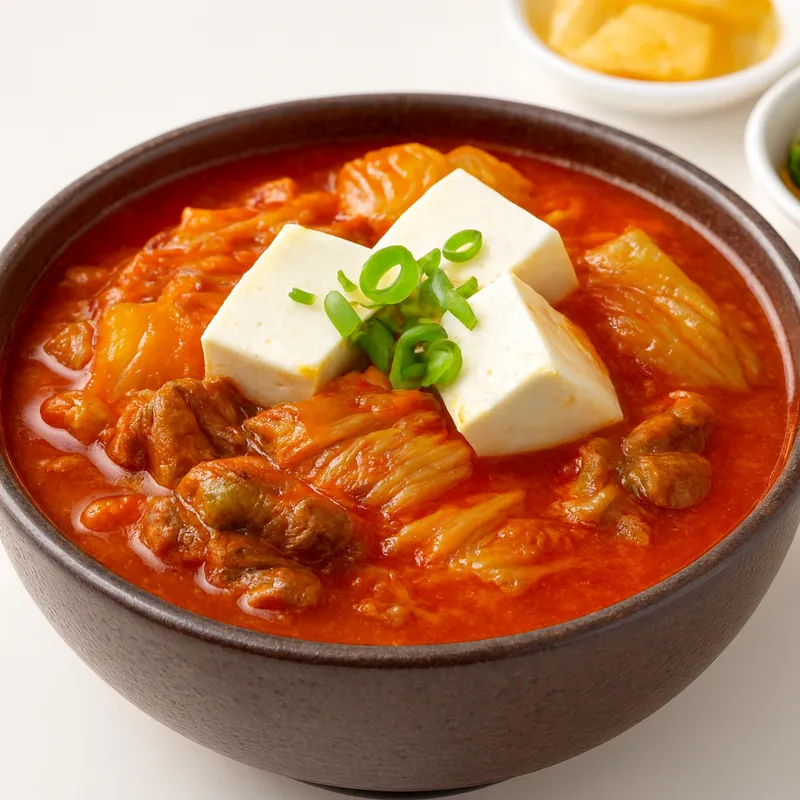
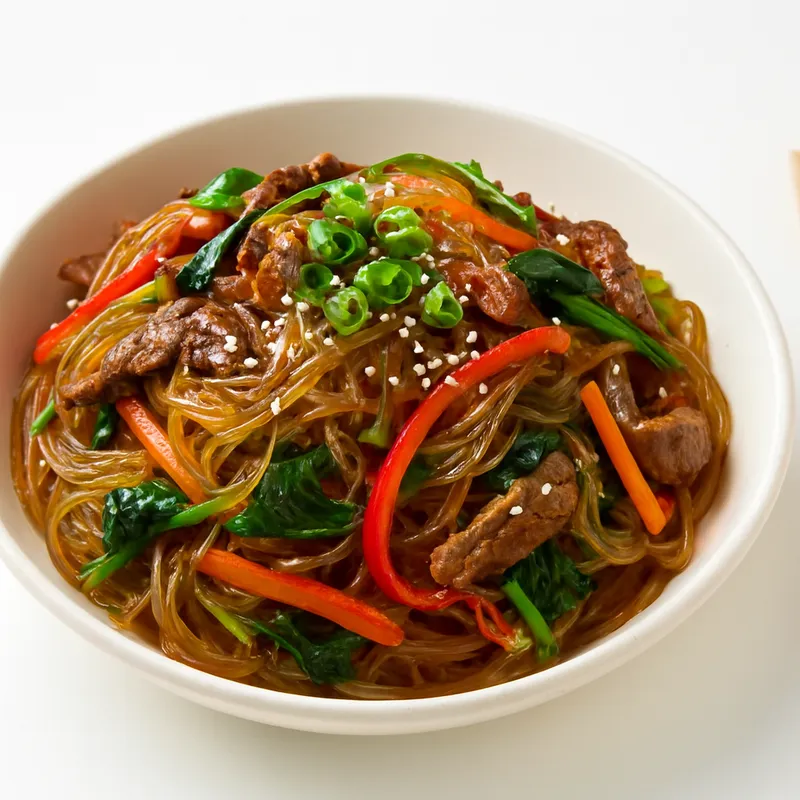
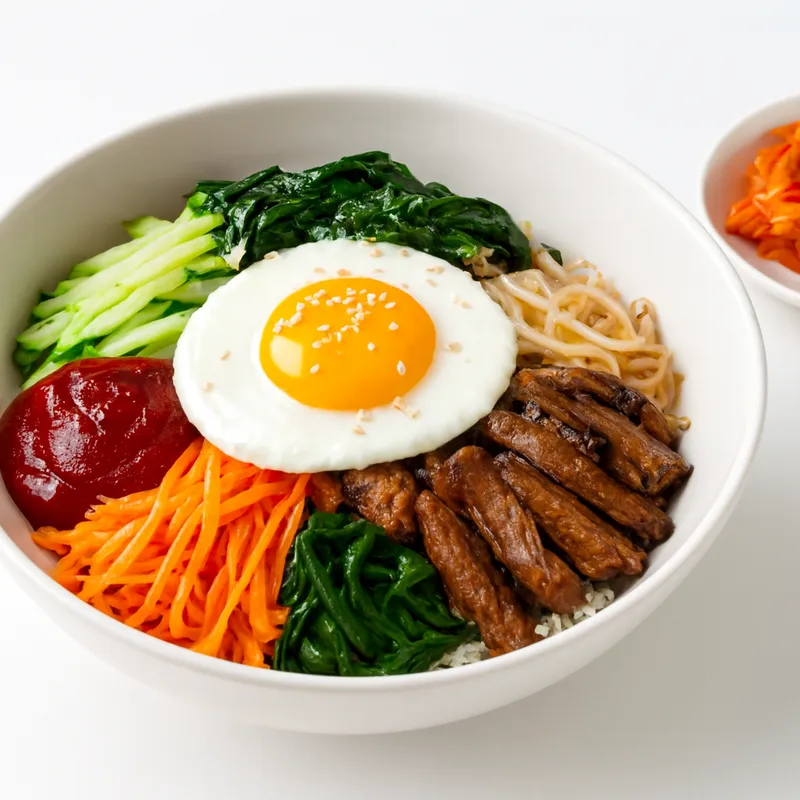
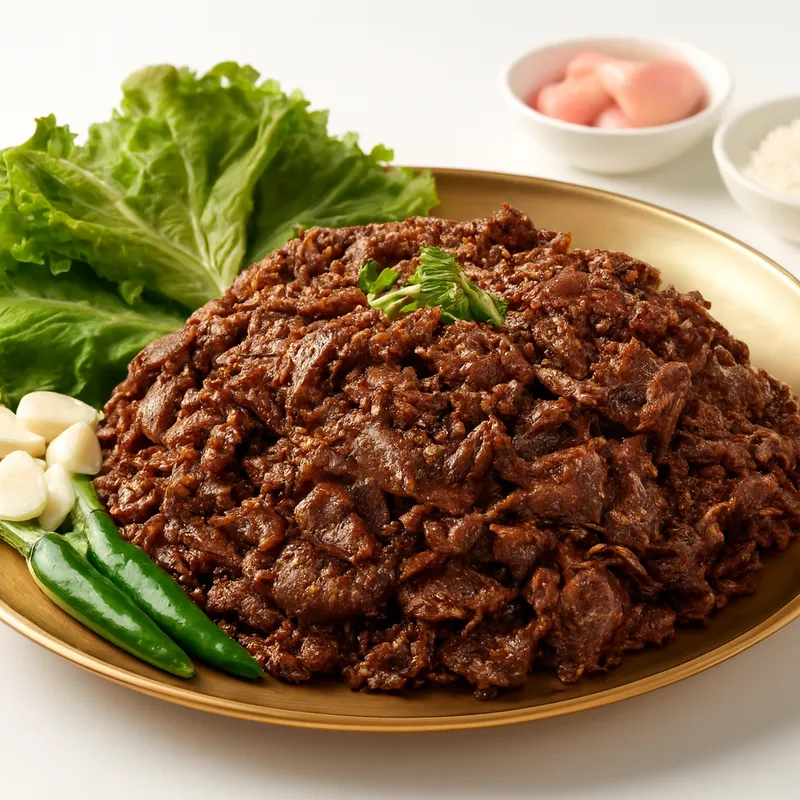
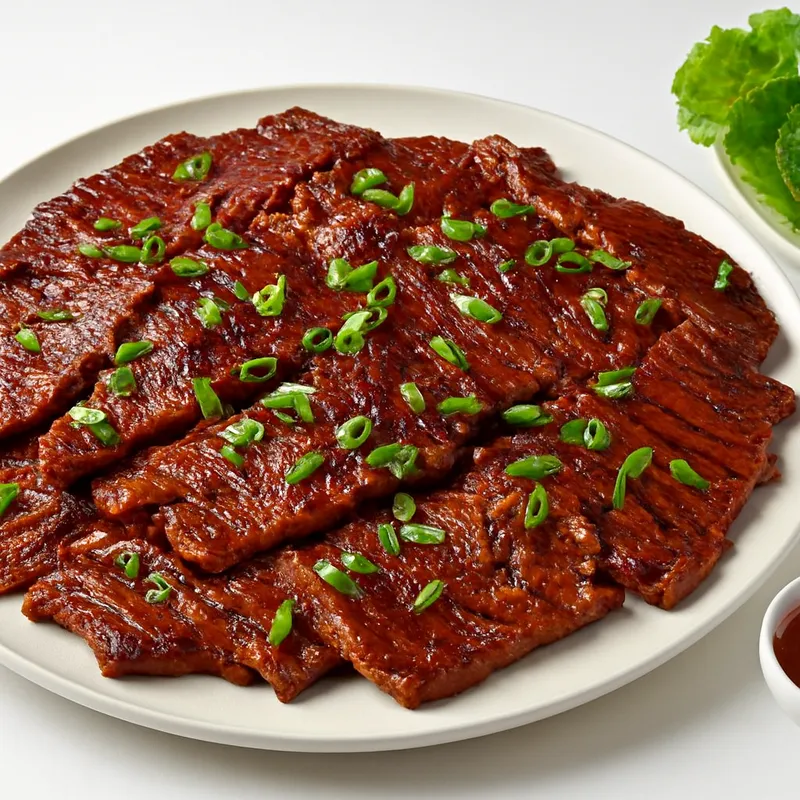
Royal Cuisine, initially confined to the palatial kitchens of Seoul, eventually seeped into the homes of the yangban class, the noble scholars and officials. After the fall of the monarchy, these dishes began to surface in family gatherings and special occasions, evolving yet retaining their essence. Today, they are celebrated as a cultural heritage, influencing modern Korean cuisine with dishes such as Japchae, Bibimbap, and Galbi showcasing their legacy.
How It Works
A court-meal architecture (Joseon 궁중요리, Mughal Dastarkhwan, Qing 御膳) where every plate signals the hierarchy of producer-to-emperor: rare ingredients (saffron, fern fiddleheads, abalone), labor-intensive cuts (julienne to 1 mm, decorative gosari pleats), and symbolic five-color balance (오방색 — white, black, blue, red, yellow representing the directions). Taste is co-equal with iconography.



Through Time
Joseon (1392-1897) royal kitchen Suragan (수라간) documented in *Eumsik Dimibang* (1670, Lady Jang) and *Won-haeng Eulmyo Jeongni Uigwe* (1795 — King Jeongjo's mother's procession menu). Hwang Hye-seong (1920-2006) was designated Holder of Important Intangible Cultural Property No. 38 in 1971 and trained Han Bok-ryeo, current custodian at the Institute of Korean Royal Cuisine.
Related cooking knowledge
Banchan is the everyday vernacular descended from Soorasang's 12-dish format. Kaiseki shares the seasonal-progression logic in the Japanese parallel. Dum cooking and tandoor anchor Mughal royal cuisine; sfoglia's labor-intensity logic parallels gosari pleating. Jiangsu knife skills are the technical kin to Joseon chae-sseolgi.