


From Chuncheon, Gangwon Province, in the 1960s. Local restaurateurs facing a beef shortage substituted chicken — abundant and cheap from nearby poultry farms — and cooked it on round iron pans heated by charcoal beneath the table. Soldiers stationed at Chuncheon's army base spread it nationally through the 1970s; it's still called Chuncheon-style.
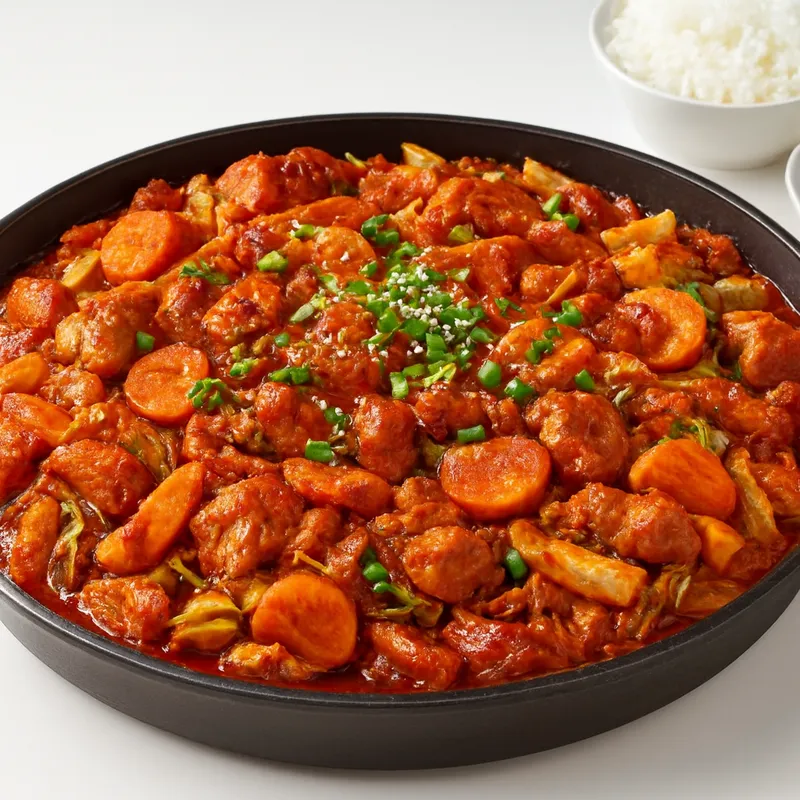
Chuncheon 1960s invention — gochujang-marinated chicken stir-fried with cabbage and tteok on a flat iron pan at the table. Originally cheap food for soldiers; the rice-fry at the end finishes the sauce.
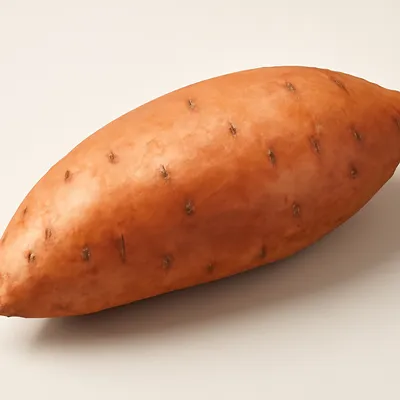
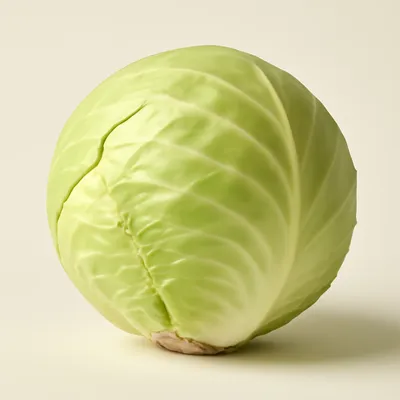
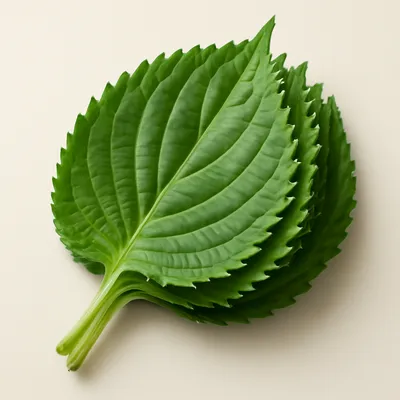
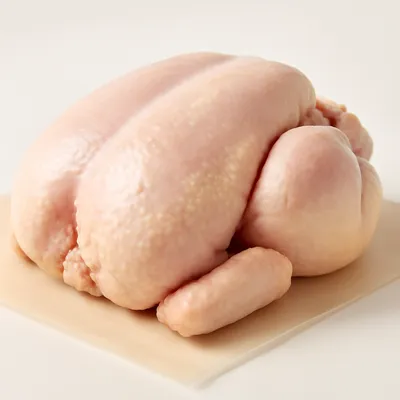
Boneless chicken thigh chunks tumbling on a wide cast-iron pan at the table, slicked in gochujang-gochugaru paste, with sweet potato wedges, cabbage, perilla leaves, and finger-thick rice cake batons. The pan is shared; the server stirs. Near the end, leftover sauce gets fried with rice and seaweed flakes — the volcanic crust at the bottom is the point.
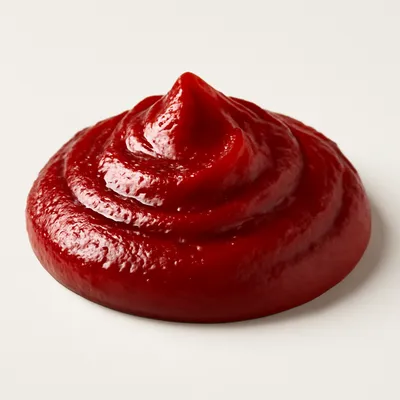
The paste is cured before cooking — gochujang, gochugaru, soy, garlic, ginger, sugar, sometimes curry powder, mixed onto the chicken hours ahead so it ferments slightly and reddens. Without the rest, the sauce stays raw-edged and grainy. The fried-rice finish (bokkeumbap) isn't optional theater: the toasted bottom layer is where the dish's caramelization actually happens.
Variations
Chuncheon-style (the canonical, sauce-stir-fried); sutbul (charcoal-grilled, no sauce until plating); cheese-dakgalbi (the 2010s viral version with mozzarella pool); makguksu-dakgalbi sets pair the dish with cold buckwheat noodles.
On the Palate
Where Dakgalbi sits in the Korean flavor cloud
Marinate ahead and don't rush it: coat the chicken in the gochujang paste and rest it at least half an hour (a few hours is better) so the sauce mellows and clings — cook it straight from mixing and the sauce stays raw-edged, grainy, and harsh.
Ingredients





How it's made
5 steps · 50 min active + 30 min waiting
- 110 min
Combine gochujang, soy sauce, sugar, minced garlic, and ginger to create a vibrant red marinade. The aroma should be spicy and sweet.
- 210 min
Cut the chicken into bite-sized pieces and mix with the marinade, ensuring each piece is well coated. Let it sit for at least 30 minutes to absorb the flavors.
Watch outThe paste should look glossy and evenly coat every piece before it rests — if it's dry and patchy, work in a splash of water so it clings.
- 315 min
Heat a large pan over medium-high heat. Add the marinated chicken and cook until the pieces are browned and cooked through, stirring occasionally to prevent sticking.
Watch outWait for a real sizzle and a browned edge before stirring — chasing it around a cool pan just steams the chicken pale.
- 410 min
Add sliced sweet potatoes and cabbage to the pan. Stir-fry everything together until the vegetables are tender yet still slightly crisp.
Watch outStop while the cabbage still has snap and the sweet potato is just tender — a minute too long and both go limp and watery.
- 55 min
Serve hot, garnished with sesame seeds and accompanied by lettuce leaves for wrapping, if desired.
Archive tool suggestions — not reviewed
These legacy suggestions have not been evidence-reviewed and are not presented as required tools.
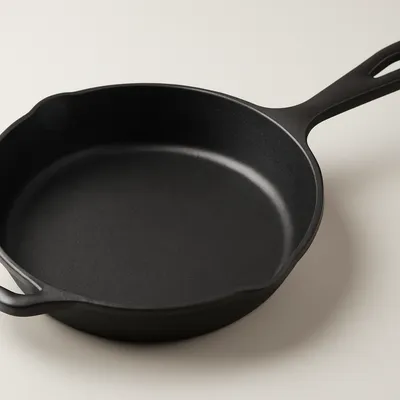
A heavy, single-piece cast iron pan, 25-30 cm across, weighing 1.5-2.5 kg. Once preheated, the thick mass holds 230°C+ even when a cold steak hits the surface — that's the secret to a deep crust. A well-seasoned skillet (multiple thin layers of polymerized oil baked into the iron) is essentially nonstick, gets better with use, and lasts a century. Lodge skillets from Tennessee have been in continuous production since 1896.
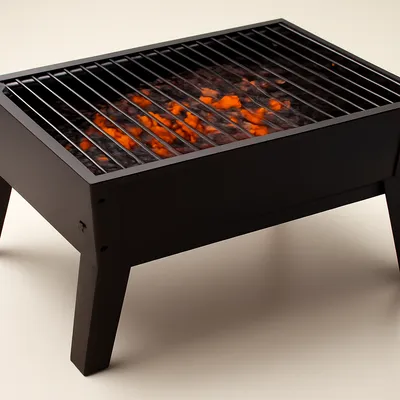
An open or hooded metal frame holding a bed of glowing charcoal embers, with a grate above. Charcoal burns at 700°C+ on the surface and emits short-wave infrared, which cooks proteins faster and with deeper Maillard browning than gas. Hardwood lump charcoal (oak, mesquite, fruitwood) lends its own smoke; cheap briquettes do not. Mastery is mostly heat zoning — direct over coals for searing, indirect off-coals for slow-roasting.