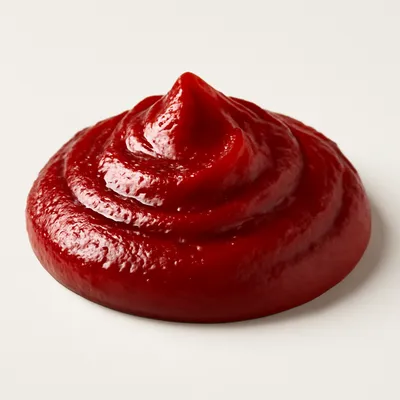
Korean fermented chili paste combining spicy heat with deep umami; fundamental to Korean cuisine.
Where it comes from
With roots dating back to the 16th century in Korea, gochujang has evolved from a simple fermented paste to a key ingredient in modern Korean cooking.
In the kitchen
Used in marinades, stews, and sauces, gochujang enriches dishes with its bold flavor, balancing sweetness and heat for a multidimensional taste.
Across cuisines
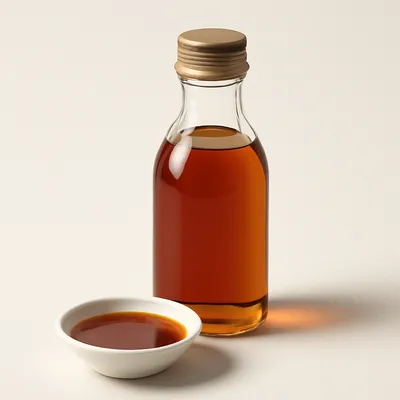
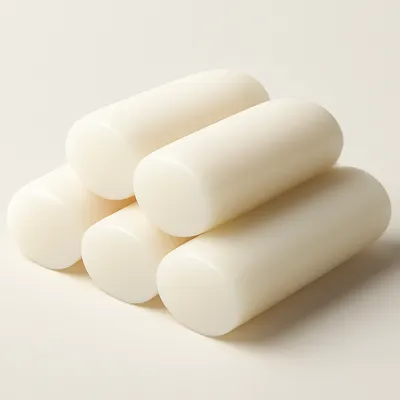
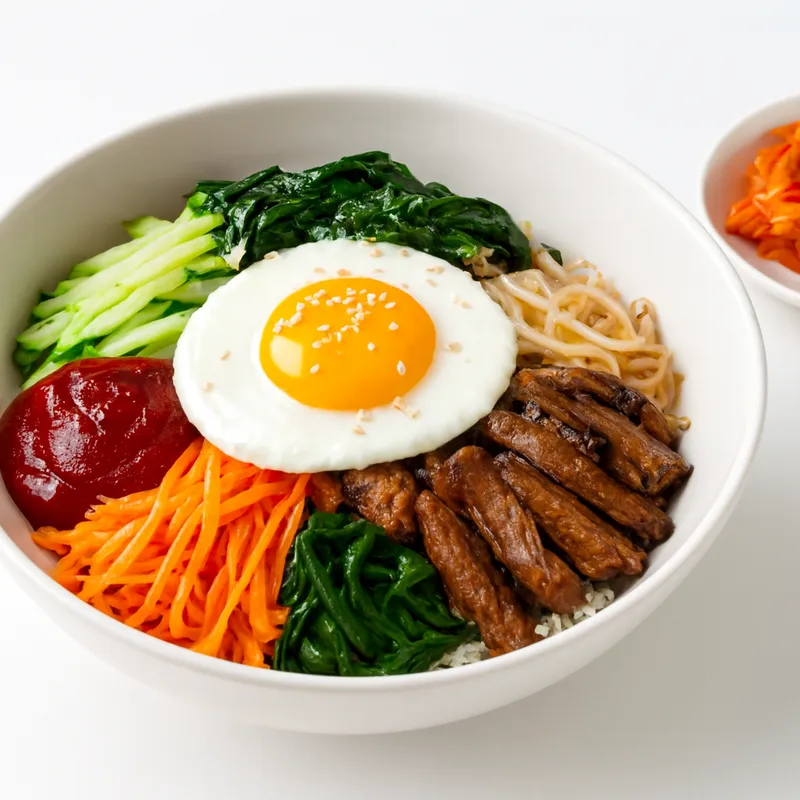
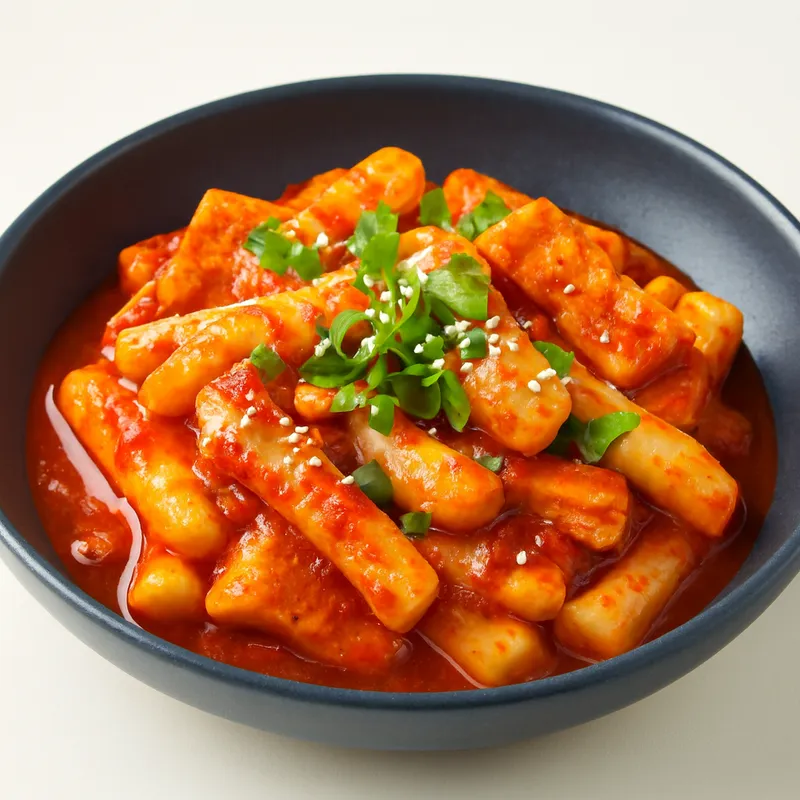
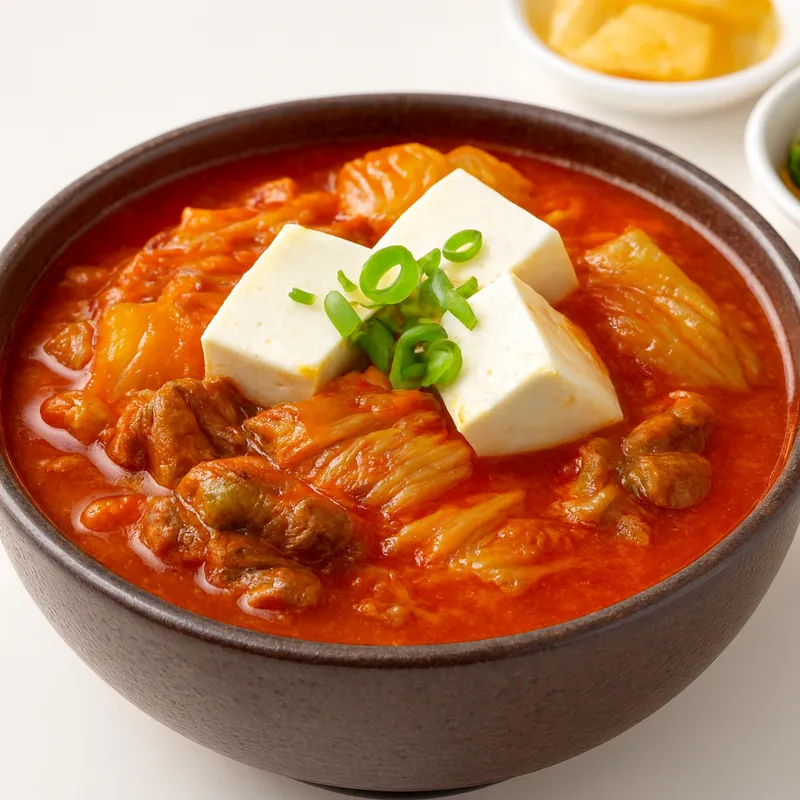
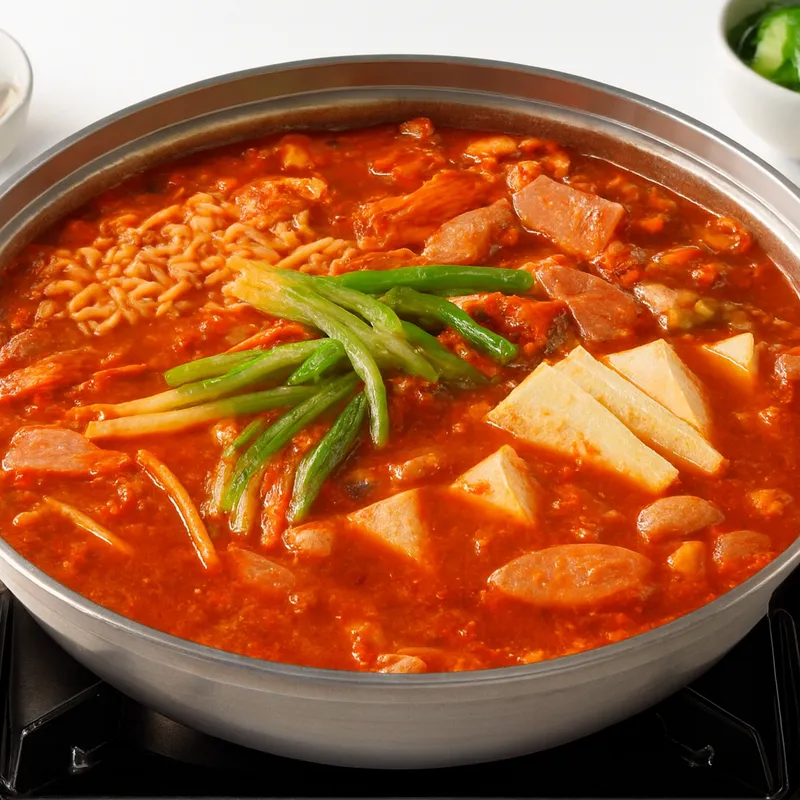
Mixed with sesame oil, vinegar, and sugar for bibimbap dressing; stirred into tteokbokki sauce with chunjang for the orange-red rice-cake glaze; the spicy base of kimchi jjigae (alongside kimchi) and budae jjigae's army-stew broth. Sunchang (순창) county is the AOC-equivalent traditional region.
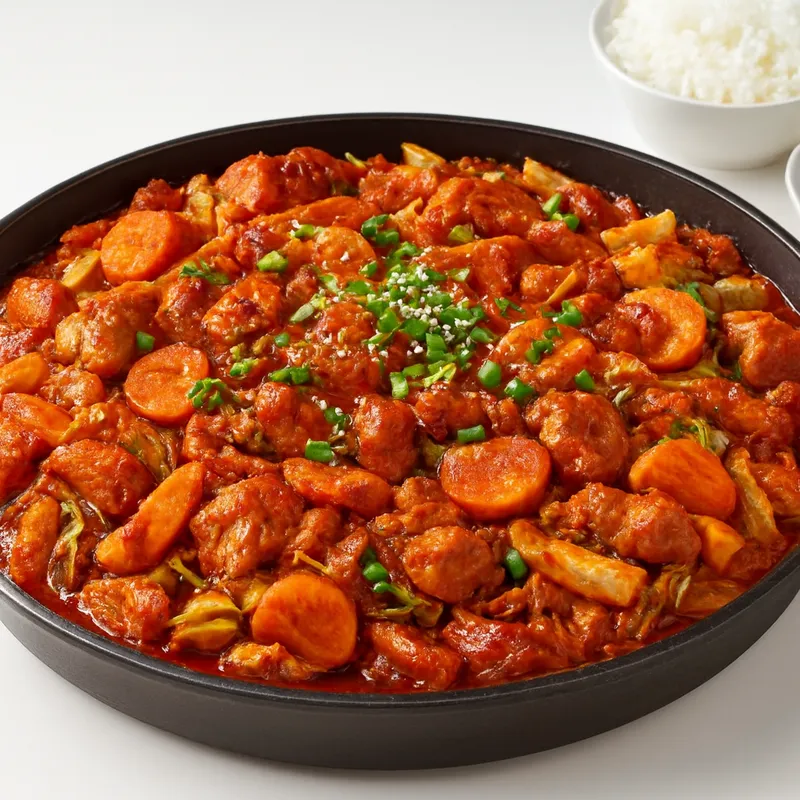
Dakgalbi marinade — chicken thigh chunks tossed in gochujang with soy, garlic, and rice cake pieces, then griddled tableside on a thick iron pan. The Gangwon version originally used local Chuncheon-grown peppers; modern recipes are heavier on the sugar than Sunchang traditional gochujang.
Bibim naengmyeon — the spicy-cold version of naengmyeon — uses gochujang thinned with vinegar and Asian pear juice as the dressing. Milmyeon (Busan wheat cold noodle) leans on a milder gochujang base. The dressing is mixed table-side; texture must coat the chewy noodles.
Notable varieties
AOC-style protected origin — slow-fermented with meju, glutinous rice powder, malt, salt, and local Cheongyang chili. Aged in onggi clay jars for 6+ months; deeper, less sweet, more meju-rich than supermarket versions.
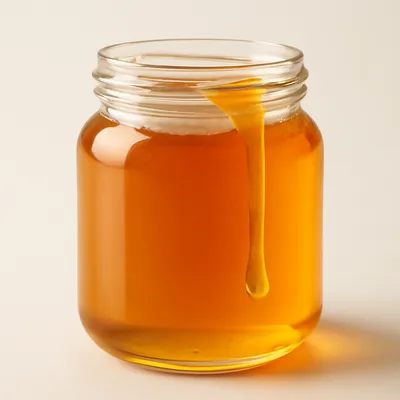
Commercial tube/tub versions — corn syrup forward, shorter ferment, brighter red. The Haechandle and CJ Bibigo lines are the global default; sweeter and milder than artisanal Sunchang.
Korean brands now grade by Scoville-like 'GHU' (gochujang hot units): 30, 50, 75, 100 GHU. The 100-grade is used for the spiciest tteokbokki and stew; 30-grade is the default home cooking grade.
Nutrition (per 100g)
AI-estimated; model and run unavailable.
Pairs well with