



Royal-court origin theory (Joseon dynasty, 1392-1897) and harvest-leftover theory (mixing the last bowl of rice with all the day's banchan) both circulate. Either way, bibimbap codified in Jeonju, North Jeolla, where the version uses raw beef tartare (yukhoe) instead of cooked beef. Recorded under the name 골동반 (gol-dong-ban, "mixed-up rice") in 19th-century cookbooks.
The vegetables are seasoned separately before they meet the rice, so each keeps its own texture. In a hot stone bowl, the rice at the bottom should turn crisp.
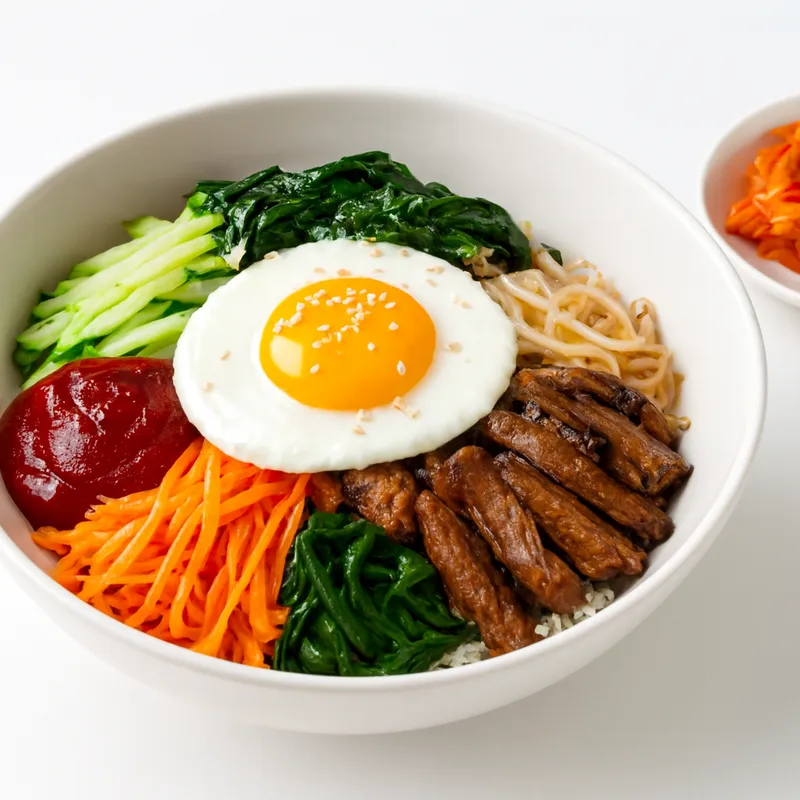
A stone bowl (dolsot) arrives screaming hot — rice underneath is already crackling against the wall, forming a brown crust (nurungji). On top: julienned vegetables in five colors, an egg, sliced beef, a dollop of red gochujang. Stir it all together. Bottom rice goes crispy; top stays moist.
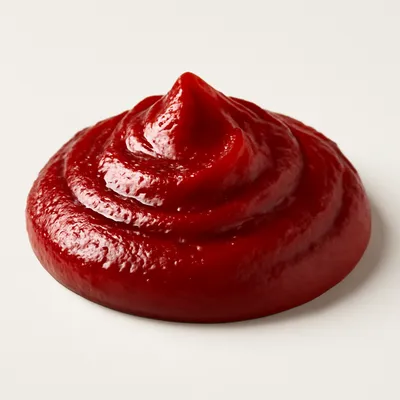
Gochujang isn't optional — it's the binder. Fermented red-pepper-and-soybean paste, salty-sweet-funky, is what unifies the disparate vegetables and meat into a single flavor. The dolsot bowl matters too: stone retains heat and continues cooking the rice against the wall after serving, building the prized crust. A normal ceramic bowl gives you bibimbap; a dolsot gives you bibimbap with the bottom rice pried up in golden chunks.
Variations
Jeonju version is served in a bronze bowl; the dolsot (hot stone bowl) style, served sizzling for a crispy rice crust, is the most common modern version; Andong is instead known for heot-jesatbap, a soy-and-sesame-seasoned 'mock ancestral-rite' bibimbap served without gochujang; modern Seoul cafés serve a deconstructed cold bibimbap — three rice-cooking vessels.
On the Palate
Where Bibimbap sits in the Korean flavor cloud
Cook each vegetable, the beef, and the egg to its own ideal doneness for color and texture, then let salty-sweet-funky gochujang bind the separate elements into one dish when everything is stirred together.
Ingredients








How it's made
6 steps · 39 min
- 120 min
Cook the rice according to package instructions until tender and fluffy. Keep the lid on to let it steam and stay warm.
Watch outThe rice should steam up tender and fluffy with distinct grains, neither crunchy nor gluey — keep the lid on so it finishes on residual steam.
- 23 min
Julienne the carrot and sauté quickly in a hot pan with a bit of oil until just tender and vibrant in color, about 3 minutes.
Watch outPull the julienned carrot while it's still tender-crisp and glowing orange, after about three minutes — a moment too long dulls both color and bite.
- 33 min
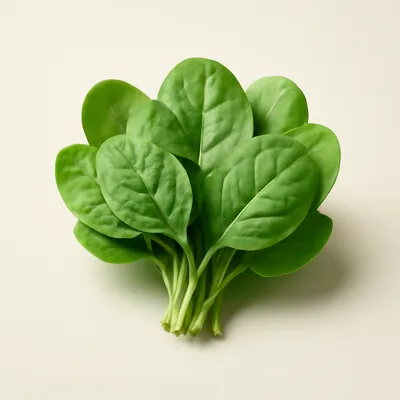
Blanch the spinach in boiling water for 1 minute until it turns bright green, then immediately plunge it into ice water to stop the cooking. Drain and squeeze out excess water.
Watch outThe spinach turns vivid green within a minute; get it into ice water immediately or the heat carries on and it wilts to a dull olive.
- 45 min
In a hot pan, cook the beef with minced garlic and soy sauce until browned and fragrant, about 5 minutes.
Watch outLook for a deep browned crust and a savory-sweet aroma from the garlic and soy — grey, wet beef means the pan was too crowded or not hot enough.
- 53 min
Fry an egg sunny-side up in a lightly oiled pan until the whites are set and the yolk is still runny, about 3 minutes.
Watch outThe whites should be fully set and lacy at the edges while the yolk still trembles and runs — hold the heat back so the whites don't turn rubbery.
- 65 min
Assemble the bibimbap by placing a mound of rice in a bowl and artfully arranging the beef, vegetables, and egg on top. Add a dollop of gochujang and a drizzle of sesame oil, and mix everything together before eating.
Watch outAdd the gochujang and sesame oil, then stir hard so the paste streaks evenly through every grain — the bowl isn't done until it reads as one unified flavor, not separate piles.
Archive tool suggestions — not reviewed
These legacy suggestions have not been evidence-reviewed and are not presented as required tools.