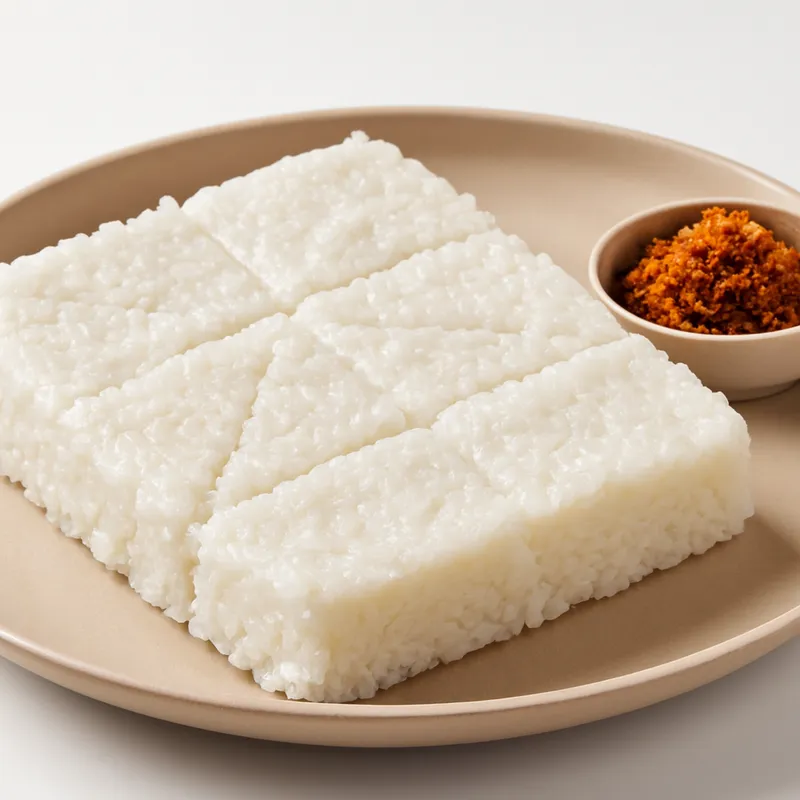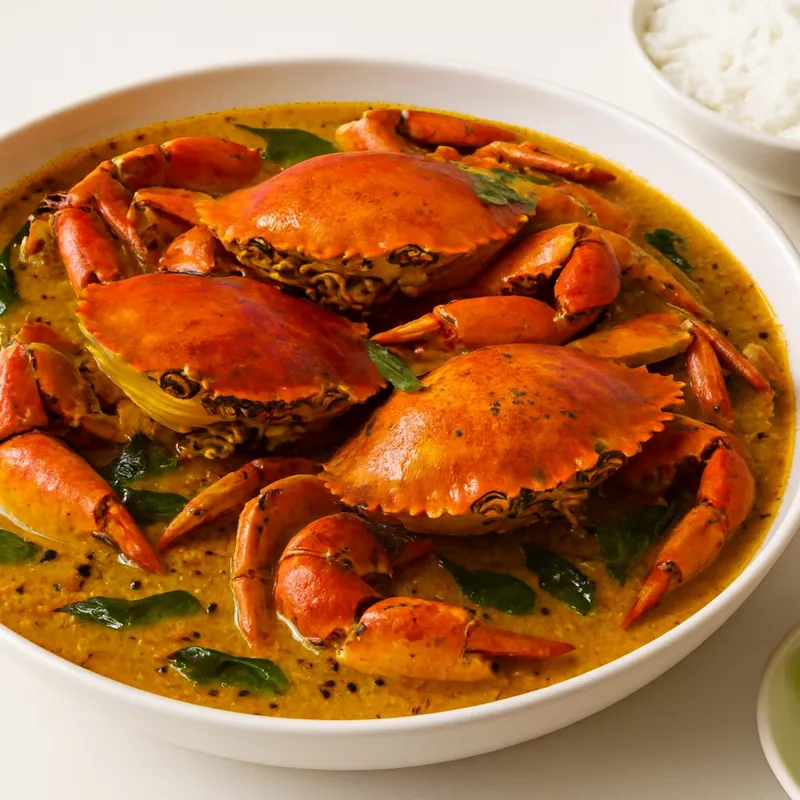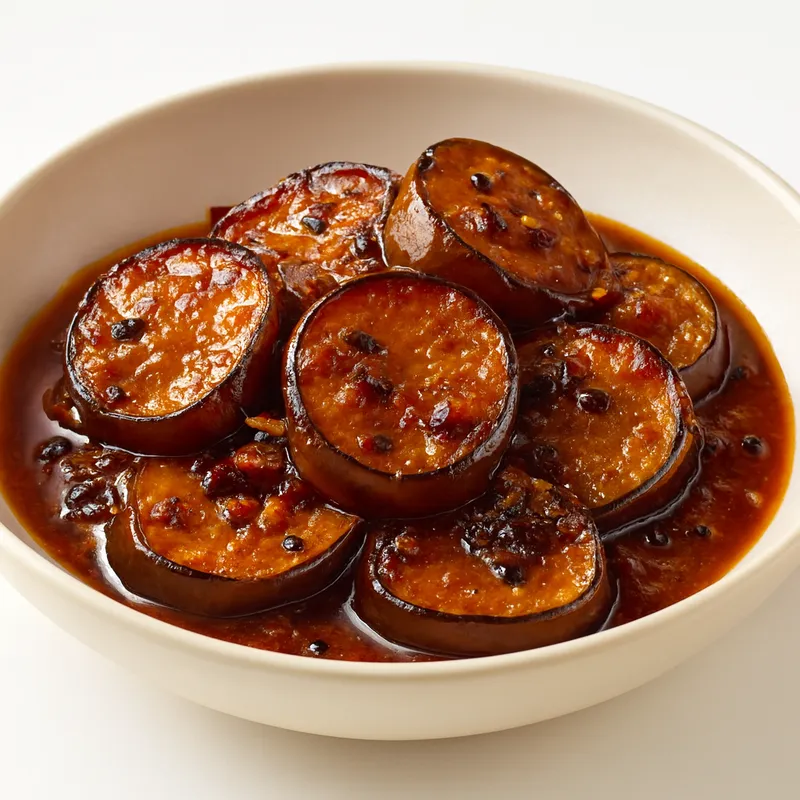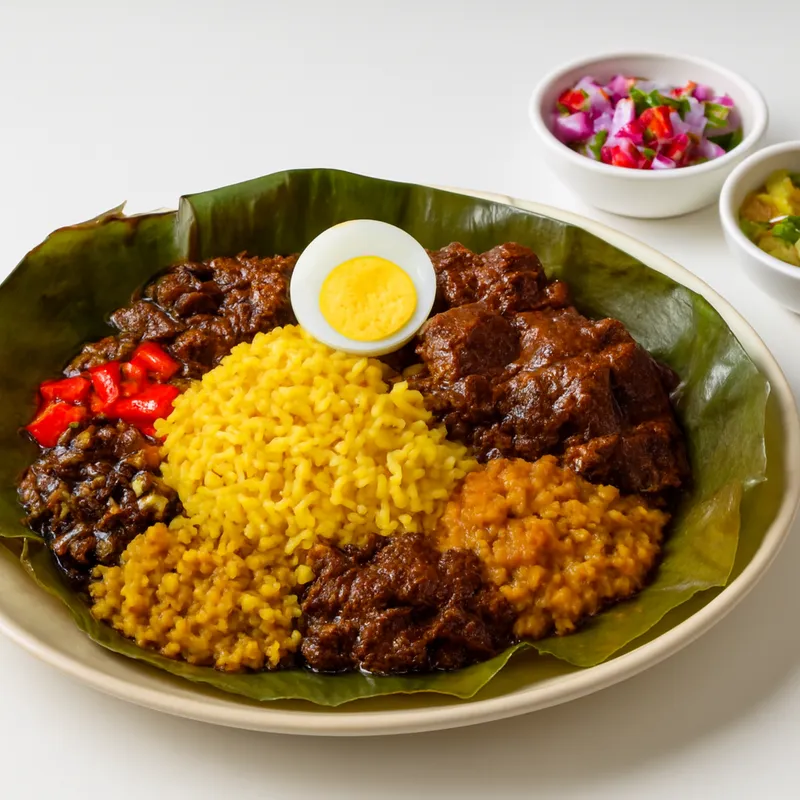
Created by Sri Lanka's Burgher community — descendants of Dutch colonists (the Dutch ruled coastal Sri Lanka 1640–1796) who intermarried with locals. The name is Dutch — lomprijst, from the verb to wrap. It was a colonial-era special-occasion dish in Burgher households, designed for portability: the parcel is a complete meal that travels and reheats. It became a Colombo restaurant fixture in the 20th century.
A Burgher-Dutch invention — name from Dutch lomprijst ("to wrap"). Three or four meats curried together in one pot, packed in banana leaf with ghee rice and frikkadel, then oven-baked 20 minutes so the leaf oil and curry liquid roast into the rice.
A banana-leaf parcel, opened steaming at the table. Inside: a mound of yellow ghee-rice cooked in stock, three meats in a thick mixed-meat curry, a fried ash-plantain, a frikkadel meatball, blachan (shrimp paste sambol), and a hard-boiled egg sometimes added. Each component is small but specific. The leaf has perfumed the rice — banana-leaf aroma is part of the dish, not packaging.
The mixed-meat curry traditionally uses three or four meats — beef, pork, lamb, and chicken — cooked together so each bleeds flavor into the others. The package is then baked, not steamed: 20 minutes in a hot oven so the rice absorbs curry liquid and banana-leaf oil. Boil-in-bag versions miss the dry roast and end up gluey. The blachan is mandatory — without that fermented punch, the parcel reads as bland.
Variations
Dutch Burgher Union recipe (beef-pork-mutton trio with chicken liver); Muslim variant drops pork and adds extra cardamom; Colombo restaurants like Perera & Sons sell the boil-in-bag shortcut, which skips the dry oven roast and goes gluey.
On the Palate
Where Lamprais sits in the Sri Lankan flavor cloud
Bake the finished parcel in a hot oven, don't steam or boil it — the dry 20-minute heat is what lets the rice drink up the curry liquid and banana-leaf oil, and skipping it leaves the whole bundle gluey and flat.
Ingredients
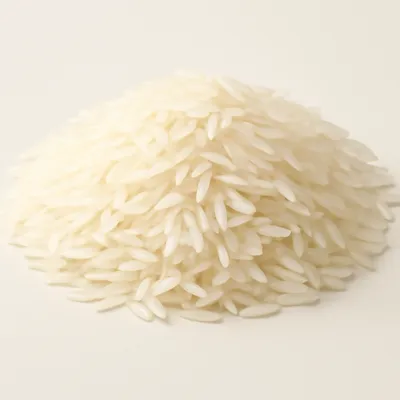






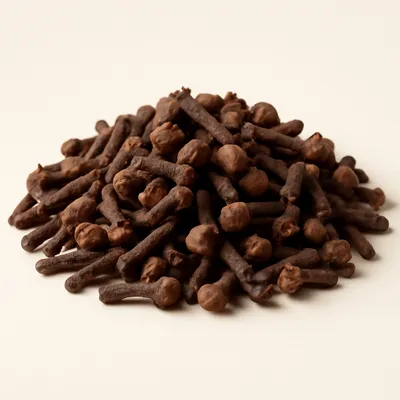
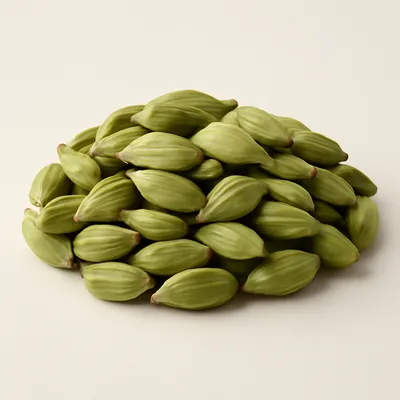






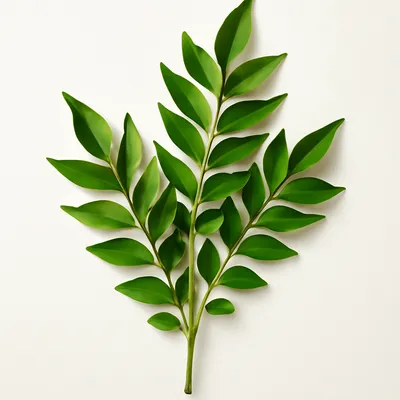


How it's made
5 steps · 1 hour 5 min
- 120 min
Rinse the rice thoroughly under cold water until the water runs clear. Bring 4 liters of well-salted water to a boil in a large pot, and add the rice. Cook until the rice is tender but not mushy, about 15 minutes. Drain and set aside.
Watch outPull the rice while it still has a slight bite — fully soft here means mush after the bake.
- 212 min
In a large pan, heat ghee over medium heat. Add cinnamon, clove, and cardamom, stirring until the spices release their aroma, about 2 minutes. Add chicken pieces and cook until browned on all sides, about 10 minutes.
Watch outEnsure the spices do not burn; lower the heat if necessary.
- 38 min
Add the belacan to the pan and stir until it dissolves and blends with the chicken. Continue cooking until the chicken is cooked through, about 8 minutes.
Watch outFry the belacan until it fully dissolves and the raw fishy edge cooks off into a savory funk — undissolved lumps taste harsh.
- 410 min
Slice the eggplant and ash plantain into thick rounds. In another pan, heat some ghee and fry the slices until golden brown and tender, about 5 minutes per side.
Watch outAvoid overcrowding the pan to ensure even frying.
- 515 min
Lay a banana leaf flat on a clean surface. Spoon a portion of rice onto the center, then add the chicken, fried eggplant, ash plantain, frikkadeller meatballs, and seeni sambol. Fold the banana leaf over the filling to create a parcel.
Watch outFold the leaf into a tight, sealed parcel so steam and curry oil stay in and the rice bakes instead of drying out bare.
Archive tool suggestions — not reviewed
These legacy suggestions have not been evidence-reviewed and are not presented as required tools.