Pulao traces to Persian polo and Central Asian palov, brought to the Indian subcontinent by Turco-Mongol and Persian travelers from the 11th century onward, formalized in Mughal kitchens after 1526. Distinct from biryani in technique: pulao is absorption-cooked (rice and stock simmer together from raw), biryani is layered and dum-finished. The dish predates biryani in India by several centuries and remains the everyday rice while biryani stays festival food.
This aromatic rice dish is a celebration of spices, effortlessly combining simplicity with elegance in every fluffy grain.
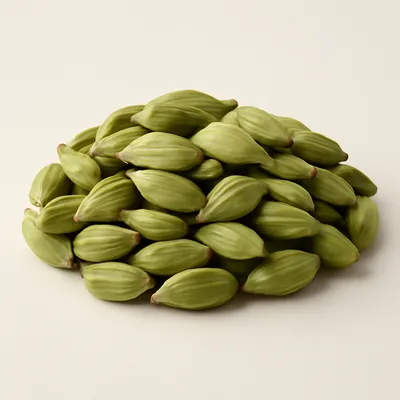
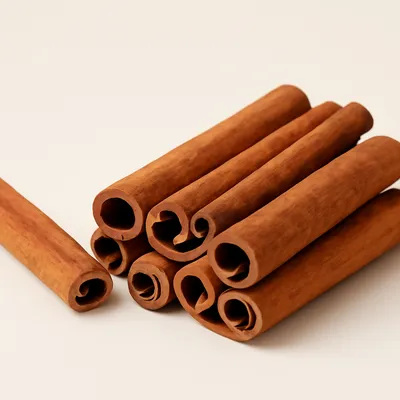
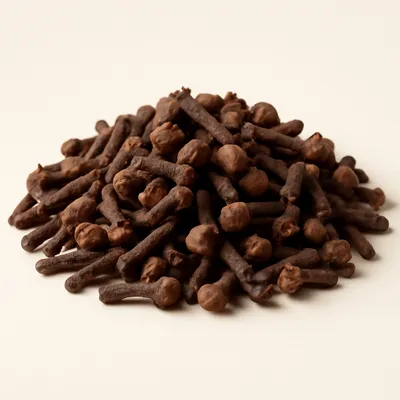
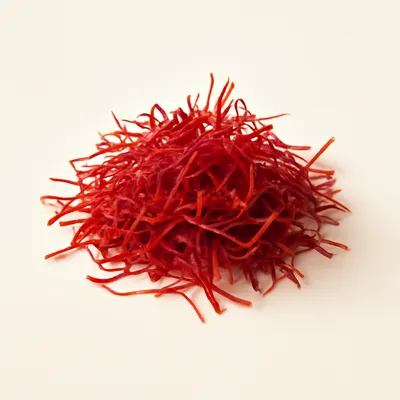
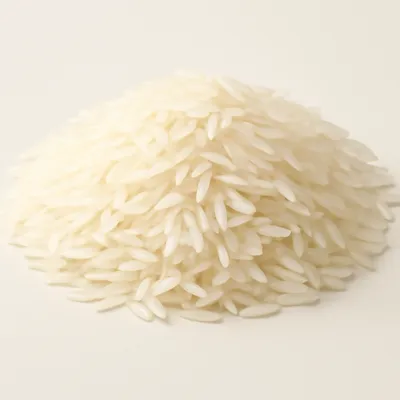
Long-grain basmati, each grain separate and slightly translucent at the tip, pale yellow from a few threads of saffron or turmeric. Whole spices visible in the rice — a clove, a cardamom pod, a piece of cinnamon stick — meant to be picked out, not eaten. Lighter and drier than biryani; you can taste the rice itself. Served with raita or a simple curry. If the grains stick or break, the rice was over-soaked or the pot overcrowded.
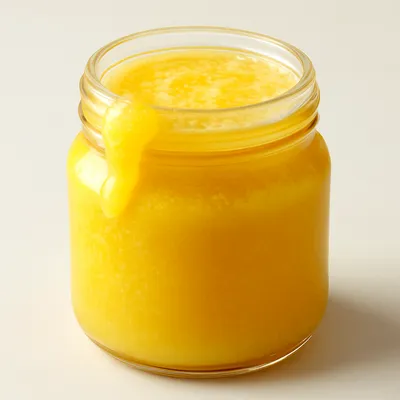
Pulao is a controlled-absorption dish. Basmati is rinsed until the water runs clear (washing off surface starch that would glue grains together) and soaked 20–30 minutes so it cooks evenly. Fat — ghee — coats each grain before liquid is added; the hydrophobic film slows water uptake and protects the grain from breaking during simmer. Liquid is exactly 1.5x rice volume for basmati; lid stays sealed for the last 10 minutes off heat. Lift it early, the steam escapes and the top stays crunchy.
Variations
Yakhni pulao (lamb stock-based); Sindhi/Bombay biryani-pulao hybrid; vegetable pulao (no meat); Kashmiri tahiri (with tomato + spices); Awadhi version is more delicate.
On the Palate
Where Pulao sits in the Indian flavor cloud
Ingredients




How it's made
5 steps · 19 min active + 25 min waiting
- 12 min
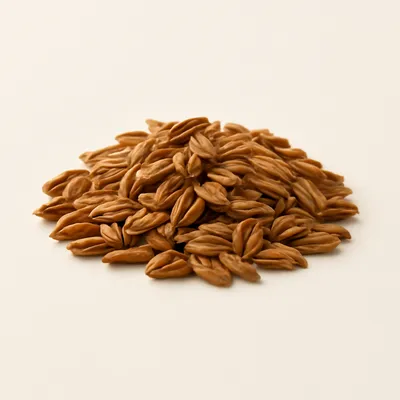
Melt ghee in a large skillet over medium heat. Add cinnamon, cardamom, bay leaf, cumin, and peppercorns. Toast until fragrant and the cumin darkens slightly, about 1 to 2 minutes. Swirl in turmeric to dissolve into the ghee.
Watch outToast the whole spices in the ghee only until they smell fragrant and the cumin darkens a shade — a moment too long and the spices scorch bitter.
- 25 min
Add sliced onion and slit green chile. Cook, stirring occasionally, until the onion is soft and translucent, about 4 to 6 minutes. The aroma should be sweet and inviting.
Watch outAvoid browning the onions; they should be soft and translucent.
- 36 min
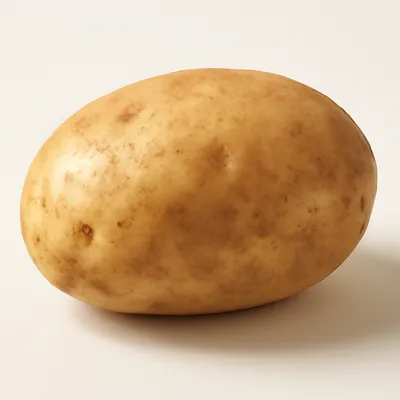
Add potato cubes, tossing to coat in the spices. Spread in a single layer and cook undisturbed until they start to soften and form a light golden crust, about 5 to 7 minutes.
Watch outLet the potato cubes sit undisturbed until a light golden crust forms on the underside before you toss them — moving them too soon and they steam instead of browning.
- 41 min
Add drained rice and carrot sticks, tossing everything with the spices. Cook for 1 minute to allow the rice to absorb the flavors.
- 55 min
Stir in the peas, salt, and 2 cups of water. Bring to a boil over high heat, then reduce to a simmer. Cover and cook for 15 minutes. Turn off the heat and let rest, covered, for 10 minutes until water is absorbed and rice is fluffy.
Watch outIt's done when the water is fully absorbed and the top grains stand fluffy and separate; the rest off heat under a sealed lid is what makes them tender, not mushy.
Archive tool suggestions — not reviewed
These legacy suggestions have not been evidence-reviewed and are not presented as required tools.