
A dry, dark-brown chickpea dish from Rawalpindi (Pindi) in undivided Punjab, made with no onion-tomato gravy at all. The chickpeas are boiled with tea leaves and whole spices until they turn near-black, then coated in a thick, tangy spice masala rather than a sauce. Sharper, drier, and far darker than the saucy, onion-tomato Chana Masala, it is traditionally eaten with bhatura, kulcha, or poori.
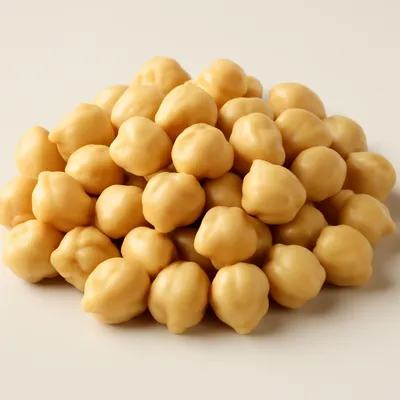
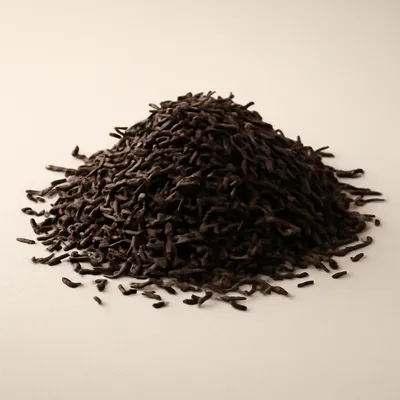
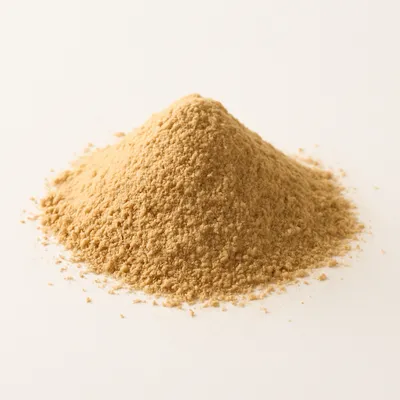
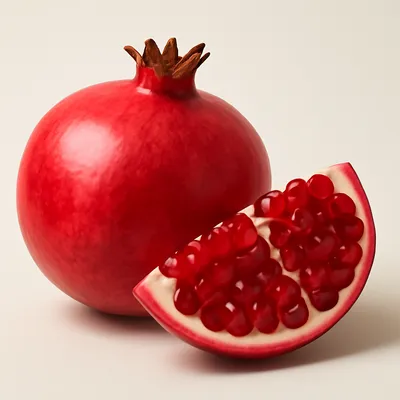

Pindi Chana — also called Pindi Chole or Rawalpindi chana — is named for Rawalpindi, now in Pakistani Punjab, and is part of the shared Punjabi food culture that spans the 1947 border. The defining technique of darkening chickpeas with tea or with the dried fruit of the amla (Indian gooseberry) is the regional signature that sets it apart from Delhi-style chole. After Partition it traveled into Indian Punjab and Delhi with migrants and became a known restaurant and halwai dish; the precise origin within Rawalpindi is not individually documented and is best treated as a regional style.
Whole chickpeas, almost mahogany-dark, each one coated in a dry, clinging masala with no pooling sauce. The taste is tangy and tart from dried mango powder and pomegranate seed, hot with black pepper and chili, and earthy from a heavy hand of roasted cumin and coriander. No creaminess, no sweetness. Eaten by scooping with torn bhatura. If the chickpeas are pale and the dish is wet, it has been made like ordinary chole, not Pindi.
Color and depth come from the boil, not the fry: the soaked chickpeas are simmered with a muslin bundle of tea leaves (or dried amla and a black cardamom), whose tannins stain the skins dark and deepen the flavor. They are cooked until very tender, then the cooking liquid is reduced almost to nothing. A dry masala of roasted cumin, coriander, black pepper, amchur (dried mango powder), and anardana (dried pomegranate seed) is tempered in oil with ginger and green chili, and the chickpeas are tossed through it until each is coated. The tartness is built from souring agents, not tomato.
Variations
Punjabi halwai versions stain the chickpeas blacker still and serve them studded with slit green chilies, ginger juliennes, and lemon. A Peshawari leaning uses anardana heavily for a sour edge; some cooks add a small amount of onion fried very dark for body while keeping the dish dry. Amritsari and Delhi street versions sometimes compromise toward a little gravy, but true Pindi stays dry.
On the Palate
Where Pindi Chana sits in the Indian flavor cloud
Ingredients
Serves 4



How it's made
8 steps · 30 min
- 1480 min
Soak the chickpeas in plenty of water for at least 8 hours or overnight.
- 25 min
Tie tea leaves (or dried amla and a black cardamom) in a small muslin pouch.
- 330 min
Pressure-cook or boil the soaked chickpeas with the pouch, salt, and a little baking soda until very tender and darkened.
Watch outSimmer the chickpeas with the tea-leaf pouch until very tender and darkened — the tannins stain the skins and deepen flavor; this boil, not a fry, gives the color.
- 48 min
Discard the pouch and reduce any remaining liquid until almost dry.
- 58 min
Dry-roast cumin and coriander seeds, then grind with black pepper, amchur, and dried pomegranate seed into a coarse masala.
- 65 min
Heat oil or ghee, temper sliced ginger and slit green chilies, then add the dry masala and a pinch of asafoetida off the heat.
- 76 min
Tip in the chickpeas and toss over medium heat until every chickpea is coated and glossy.
Watch outToss over medium heat until every chickpea is coated and glossy in the dry masala — the tartness comes from amchur and pomegranate, not tomato.
- 83 min
Finish with extra amchur or lemon, garnish with ginger juliennes and coriander, and serve with bhatura or poori.
Archive tool suggestions — not reviewed
These legacy suggestions have not been evidence-reviewed and are not presented as required tools.


