
An instant South Indian crepe made from semolina, rice flour, and a little wheat flour, with no grinding and no overnight fermentation. The batter is mixed thin and runny, almost like buttermilk, then ladled and splashed onto a screaming-hot griddle so it sets into a brittle, lace-like net riddled with holes. Cumin, crushed pepper, green chili, ginger, curry leaf, and chopped onion are stirred straight into the batter. It is served with coconut chutney and sambar, prized for a crispness that ordinary dosa never reaches.

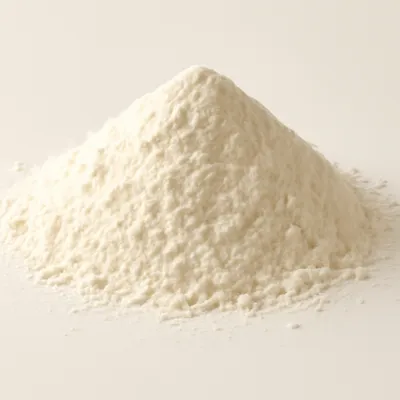


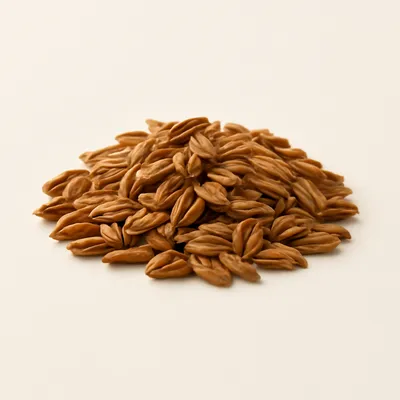
Rava dosa belongs to the South Indian tiffin tradition as the quick, no-wait answer to the classic fermented dosa. Where a regular dosa needs rice and black gram soaked, ground, and left to ferment overnight, this version trades that whole process for a batter stirred together in minutes from semolina (rava) and rice flour, which is why menus and home cooks alike label it an 'instant' dosa. It became a fixture of Udupi-style restaurants and tiffin houses across Karnataka and Tamil Nadu, where a cook could turn out a crisp dosa on demand without a day's planning. No single inventor or date is documented; the dish is understood as a practical semolina variation on the much older dosa rather than a named creation.
A wide, gauzy disc the colour of dark honey, shot through with hundreds of irregular holes and a ragged crisp rim. It shatters at a touch, more brittle than a wafer; the cumin and curry leaf perfume hits first, then the dry heat of cracked pepper and green chili. There is none of the soft, foldable give of a fermented dosa, no sourness either. Eaten broken into shards and dipped, it must be served the moment it leaves the griddle, before the lace softens and goes leathery.
Crispness here is built on a runny batter and high heat, not fermentation. Because the semolina-and-rice-flour mix is poured very thin and watery, the water flashes to steam on the hot griddle and blasts open the holes that give the dosa its lace; a thick batter would only spread into a dense pancake. Resting the batter 15-20 minutes lets the semolina swell and absorb water so it does not sink and clump, and the batter must be stirred before every ladle because rice flour settles fast. The griddle has to be properly hot before the splash, or the net never forms and the dosa turns soggy.
Variations
Onion rava dosa folds in a heavy scatter of chopped onion and is the most common restaurant form; ghee rava dosa is finished with clarified butter for richness; a masala rava dosa tucks in a spiced potato filling like a masala dosa. Some cooks add a little plain flour for extra crunch, others none for a cleaner taste; coastal versions lean on more rice flour for a paler, glassier crisp.
On the Palate
Where Rava Dosa sits in the Indian flavor cloud
Ingredients
Serves 3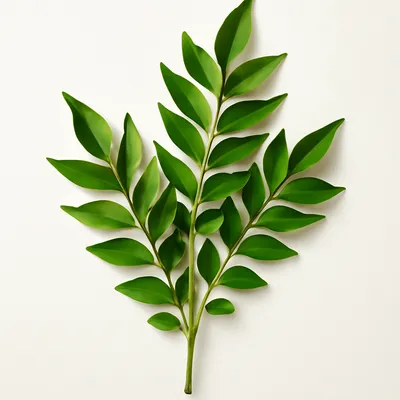

How it's made
5 steps · 30 min
- 120 min
Whisk semolina, rice flour, and plain flour with salt and enough water to make a very thin, runny batter, then rest 15-20 minutes.
Watch outWhisk it to a very thin, runny batter and rest 15 to 20 minutes — the water has to be thin enough to flash into steam and blast the lace-holes open; a thick batter just spreads into a dense pancake.
- 25 min
Stir in chopped onion, green chili, ginger, cumin, crushed pepper, curry leaf, and chopped coriander; thin again with water to buttermilk consistency.
- 34 min
Heat a flat griddle until very hot and lightly grease it; stir the batter well, then ladle and splash it from the edges toward the centre so holes form.
Watch outGet the griddle properly hot and stir the batter before each ladle — rice flour settles fast, and a cool griddle never forms the net and leaves the dosa soggy.
- 46 min
Drizzle ghee or oil around and over the dosa and cook on high without spreading further until the underside is deep golden and crisp.
- 52 min
Loosen the edges, fold or roll the dosa, and serve immediately with coconut chutney and sambar.
Archive tool suggestions — not reviewed
These legacy suggestions have not been evidence-reviewed and are not presented as required tools.


