A quick, soft steamed cake of semolina and curd, made without the overnight fermentation of a classic rice idli. The roasted semolina is mixed with thick curd and a mustard-and-cashew tempering, leavened on the spot with a little baking soda or fruit salt, then steamed in idli moulds into tender, fluffy rounds. Studded with cashew, curry leaf, and sometimes grated carrot, it is a same-day breakfast served hot with coconut chutney and sambar.



Rava idli was created by Mavalli Tiffin Rooms (MTR) in Bangalore, the restaurant founded in 1924, as a wartime improvisation. During the Second World War, when the Japanese occupation of Burma cut off rice supplies to India and rice — the staple of the traditional idli — ran short, MTR experimented with semolina (rava) in place of ground rice and steamed it into an idli. Because semolina does not ferment like a rice-and-black-gram batter, the cake is leavened instead with curd and a chemical raising agent and can be made the same day. The dish outlived the shortage to become a popular instant breakfast across South India; the WWII-rice-crisis account is widely reported, though the precise year is not pinned down.
A pale, round cake a little coarser and more open than a rice idli, soft and moist with a gentle springiness and the faint grain of semolina. The curd lends a mild tang, the tempering a savoury warmth, and there are small crisp surprises of cashew and pops of mustard seed throughout, with sweetness where carrot is added. It is lighter and quicker than its fermented cousin but a touch less airy. Eaten hot, broken into sambar or smeared with chutney; once cold it firms and dries.
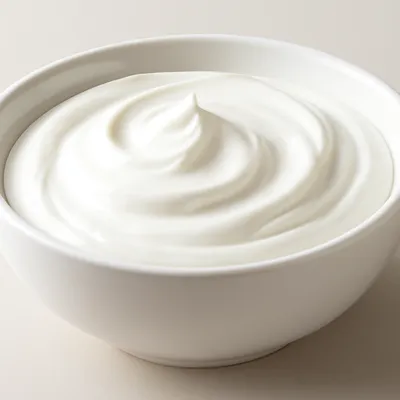
Without an overnight ferment, the rise has to be engineered. Roasting the semolina first dries and toasts it so the grains hydrate evenly and the cake stays light rather than gluey. Thick curd is the workhorse: its acid both flavours the batter and reacts with the baking soda or fruit salt stirred in just before steaming, releasing carbon dioxide that puffs the cake. Timing matters — the leavener is added at the last moment and the batter goes straight into the steamer, because the gas escapes if it sits. Steam, not dry heat, sets a moist, tender crumb.
Variations
Recipes differ in the leavener — eno fruit salt for a reliable instant puff, or baking soda with the curd's acid; some add a little semolina-and-rice-flour mix or a spoon of sour curd for tang. Vegetable rava idli folds in grated carrot, peas, and coriander. The dish sits within the broader idli family beside the fermented rice idli, the pepper-spiced kanchipuram idli, and Karnataka's wide thatte idli.
On the Palate
Where Rava Idli sits in the Indian flavor cloud
Ingredients
Serves 4

How it's made
5 steps · 20 min active + 20 min waiting
- 18 min
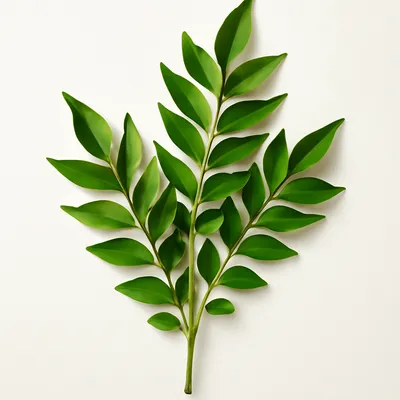
Dry-roast the semolina until fragrant, then temper mustard seeds, chana dal, cashews, green chili, ginger, and curry leaves in ghee and stir them in.
Watch outDry-roast the semolina till fragrant — this dries it so the grains hydrate evenly and the idli stays light, not gluey.
- 218 min
Mix the roasted semolina with thick curd and a little water into a thick, dropping batter, season with salt, and rest 15-20 minutes.
- 33 min
Grease the idli moulds and bring water to a rolling boil in the steamer.
- 41 min
Stir baking soda or fruit salt into the batter just before steaming and mix gently until it froths.
Watch outStir the soda in just before steaming and get the batter into the steamer fast — the gas escapes if it sits.
- 512 min
Spoon into the moulds, steam 10-12 minutes until a tester comes out clean, rest briefly, then unmould and serve hot with chutney and sambar.
Archive tool suggestions — not reviewed
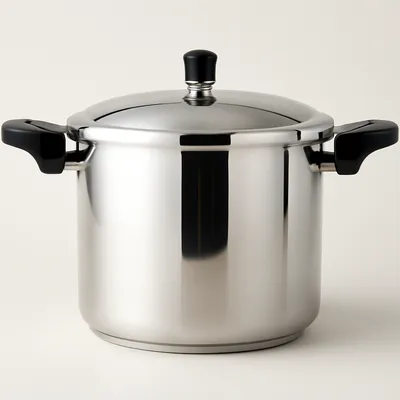
These legacy suggestions have not been evidence-reviewed and are not presented as required tools.