Bihar's beloved everyday kadhi: a tangy, slightly thin yogurt-and-gram-flour gravy into which crisp fried besan dumplings (bari) are dropped to soften and absorb the flavors, finished with a mustard-oil tempering of panch phoran. Lighter and thinner than Punjabi kadhi, it is the comfort food of the Bihari meal, served with rice.





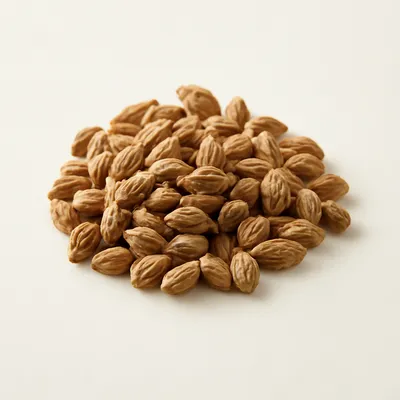
Kadhi badi (kadhi bari) is the everyday yogurt-and-gram-flour curry of Bihar, eaten across the state with rice and counted among its staple comfort foods. Its two parts are each old: the kadhi itself — a tangy gravy of whisked sour yogurt bound with gram flour (besan) — belongs to a North Indian family that food historians trace to the western and central parts of the subcontinent, which spread east with regional variation; the bari (or badi) are small fried dumplings of besan batter, spiced with carom and kalonji. What sets the Bihari form apart is its lighter, thinner consistency than the richer Punjabi kadhi, its use of mustard oil and panch phoran (the five-seed tempering) rather than cumin-and-onion, and its plain besan bari rather than the onion pakora of the Punjabi version. The combination — kadhi-bari-chawal, with a side of crisp fried potato — is iconic in the Bihari household, served to guests as a mark of homestyle hospitality and made for everyday meals and festive occasions alike.
Tangy, warm, slightly thin yogurt gravy soaked into soft, just-crisp besan dumplings, with the warm crackle of mustard seed and panch phoran on top.
Two mechanisms define the dish. First, the kadhi's tang and texture come from yogurt and besan cooked together: the besan, whisked into the yogurt before heating, gelatinizes as the mixture simmers and thickens the gravy without flour; the yogurt's lactic acid supplies the characteristic tang and must be heated gently (below a hard boil, stirred constantly) or its casein proteins would curdle into grainy clumps. Second, the bari dumplings are fried separately to a crisp shell before being added to the kadhi; in the gravy they rehydrate unevenly — the outside softening into the sauce while the center keeps some texture — and they absorb the tangy flavors by capillary action. The besan in both parts ties the dish together; the final mustard-oil tempering, poured hot at the end, delivers the lipid-soluble aromatics of panch phoran and chili in a single burst, and the mustard oil's own warm, slightly bitter nuttiness is the Bihari signature.
Variations
Some add potato to the kadhi; a festive form adds fried paneer cubes alongside the bari, and the consistency thickens toward the Punjabi style in some border kitchens.
On the Palate
Where Kadhi Badi sits in the Indian flavor cloud
Ingredients
Serves 5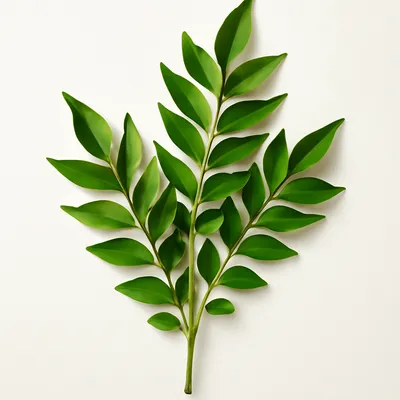
How it's made
6 steps · 15 min
- 14 min
Whisk sour yogurt smooth with gram flour, water, turmeric, and salt until no lumps remain.
- 212 min
Bring the mixture to a gentle boil, stirring constantly to prevent curdling, then simmer until thickened.
Watch outBring the yogurt-besan mix to a boil stirring constantly — the nonstop stir keeps the yogurt from curdling while the besan thickens it.
- 310 min
For the bari, mix gram flour with carom, kalonji, turmeric, chili powder, salt, and a little water into a thick batter; drop spoonfuls into hot oil and deep-fry until crisp and golden.
- 45 min
Drop the fried badi into the simmering kadhi and let them soften for a few minutes.
Watch outDrop the fried badi in only near the end — they should soak just long enough to soften outside while keeping some bite within.
- 54 min
Heat mustard oil, crackle panch phoran, dried red chili, and curry leaves, and pour the tempering over the kadhi.
Watch outPour the tempering over the moment the panch phoran crackles — hold it and the spices scorch bitter.
- 62 min
Serve hot with steamed rice and a side of crisp fried potatoes.


