In Practice
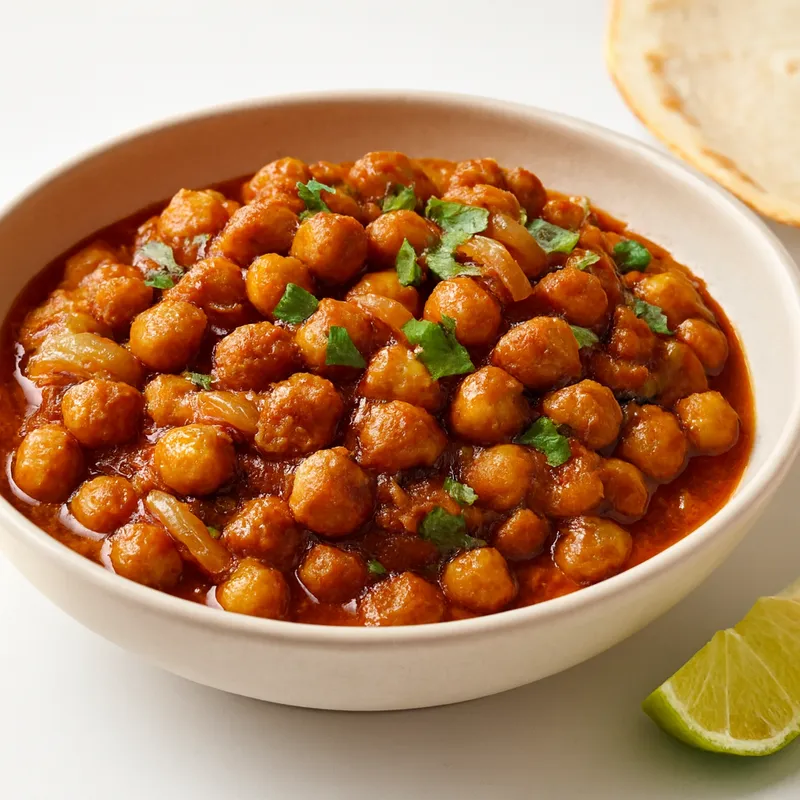
Sequence by hardness and oil-tolerance: hing/asafoetida and whole spices (cumin, mustard, fenugreek) first into 200°C ghee — listen for the mustard pop within 5-10 seconds. Add curry leaves (they spit — stand back and use a lid as shield), then dried red chilies (15-30 seconds, no longer or they go acrid), finally fresh aromatics (ginger, garlic, green chili) if used (30-60s). Pour the still-sizzling fat over dal, raita, or curry as the final move — the sound is part of the technique (chaunk = sizzle). Failure modes: oil not hot enough leaves raw spice notes; mustard seeds added second-to-last skip their popping window; burning the curry leaves turns them ashy-bitter — black not green is the failure tell.
Background
In the bustling kitchens of ancient North India, tadka emerged during the golden age of the Gupta Empire, around the 4th century CE. This was a time when trade routes crisscrossed the subcontinent, bringing a wealth of spices—cumin, mustard seeds, curry leaves—to the hands of cooks eager to experiment. The practice of tempering spices in hot oil was born out of necessity and innovation; it was a way to preserve the volatile oils and unlock their full potency, a technique perfectly suited to the aromatic richness of Indian cuisine.
As Indian cuisine traveled along the Silk Road and maritime routes, tadka adapted to new environments. In the south, coconut oil became a regional twist, while in the north, ghee held sway. Each region embraced tadka but lent it its own identity, much like how sofrito in Spain incorporates tomatoes, or how the French mirepoix relies on a base of onions, carrots, and celery. However, tadka remains uniquely Indian, a practice that transforms each dish it touches.
How It Works
Hot fat (ghee at smoke point ~250°C, or neutral oil at 200-220°C) flash-extracts lipid-soluble flavor molecules from whole spices in seconds: cuminaldehyde from cumin, allyl isothiocyanate from mustard seeds (which only forms above ~180°C from glucosinolate hydrolysis), curcumin from turmeric. Mustard seeds pop when internal moisture vaporizes through the seed coat. Curry leaves' citral-rich oils volatilize on contact. The infused fat carries these aromatics through whatever it's poured over.


Through Time
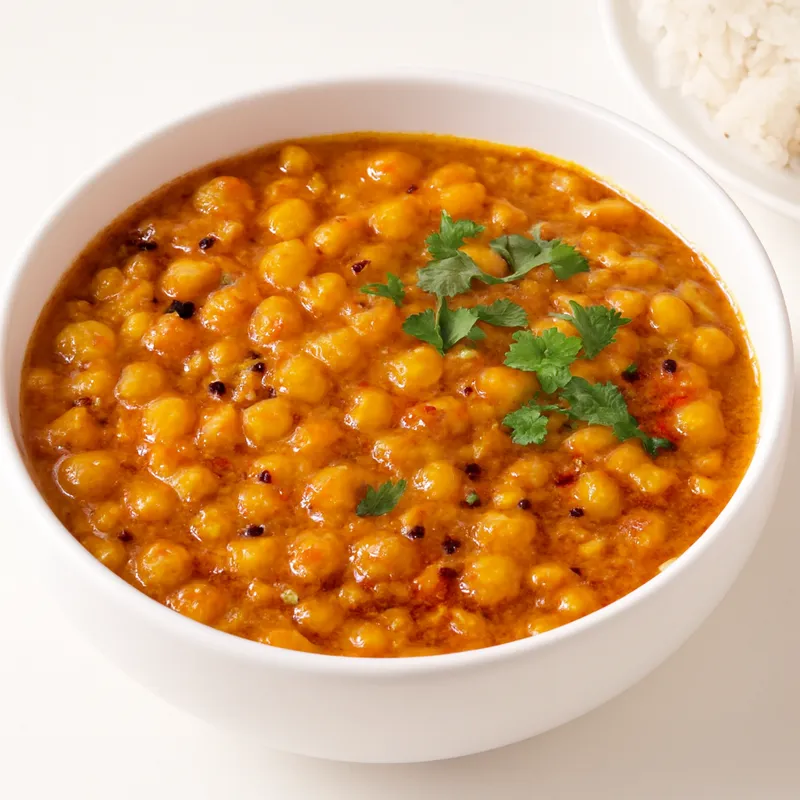
Documented in ancient Sanskrit texts including the Manasollasa (12th century, King Somesvara III) and earlier Ayurvedic Charaka Samhita. Codified across regional vocabularies: tadka in Hindi/Punjabi, chaunk in Bihar/UP, baghaar in Hyderabadi, vagar in Gujarati, thaaliyam in Tamil. Madhur Jaffrey's 1973 *Invitation to Indian Cooking* introduced the technique to Western readers; Niloufer Ichaporia King and Krishna Yadav formalized it for North American culinary education. Floyd Cardoz at Tabla (NYC, 1998-2010) brought tadka into Michelin-tier fine dining.
Related cooking knowledge
Phoron in Bengali cooking is the same technique with a different spice signature (panch phoron blend). Sichuan oil-tempering (la you zhi zuo) is the closest non-Indian relative — chili and Sichuan peppercorn flash-infused into hot oil with identical timing logic. Italian pesto's olive-oil-extracting role for garlic and basil overlaps mildly. Mexican tempering of chilies in lard for moles uses the same principle.