The festive, stuffed cousin of everyday Gatte ki Sabzi. Gram-flour dough is wrapped around a rich filling of khoya, paneer, nuts and raisins, shaped into modak-like dumplings, steamed and sliced, then simmered in a spiced yogurt gravy. Where plain gatte are solid besan rounds built for lean desert pantries, Govind gatte are deliberately opulent — a Rajasthani dish reserved for celebrations and guest meals.




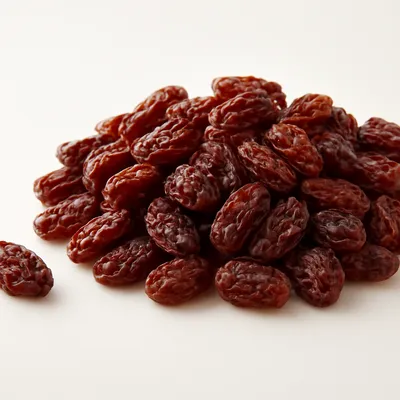

Govind gatte is the richer, special-occasion form of Rajasthan's classic gatte ki sabzi, a dish whose roots lie in the desert districts' reliance on gram flour (besan) where fresh vegetables were scarce. The dish is commonly named for Govind Dev Ji, a revered form of Krishna with an important temple in Jaipur, placing it within Rajasthan's tradition of devotional, often onion-and-garlic-free festive cooking; it is also called shahi (royal) gatte for its place at celebratory and palace-style meals. The defining move — stuffing the besan dumpling with khoya, paneer and dry fruit and shaping it like a modak — is what separates it from the plain version. No single inventor or date is documented; it survives as feast-day fare in Marwari and Jaipur kitchens.
Sliced open, each dumpling shows a firm gram-flour wall around a soft, sweet-savory core of melting khoya, crumbled paneer, chopped nuts and raisins — a pocket of richness inside an otherwise plain dough. The gravy around it is pale gold and gently tart from yogurt, smoothed with a touch of cream, and fragrant with coriander and a restrained chili. It eats far more luxuriously than ordinary gatte: the besan stays toothsome, the filling turns almost luscious, and the sweet nuts play against the sour sauce.
Stuffing a soft besan dough is the technical challenge: the dough must be pliable enough to enclose the filling without cracking, yet firm enough to hold its shape, so it is bound with a little oil and yogurt and rested. The shaped dumplings are steamed rather than boiled — steaming cooks the gram flour and sets the casing gently without waterlogging the filling, and the modak pleats seal the rich center in. As with all gatte, the besan that leaches from the surface helps stabilize the yogurt gravy, which must be stirred constantly off a high boil so it thickens without splitting. The dumplings are usually sliced after steaming so the cut faces drink up the sauce.
Variations
Some cooks keep it strictly no-onion-no-garlic for temple and fasting contexts, leaning on asafoetida and ginger for savor; others build a fuller Marwari gravy. Fillings vary from mostly khoya-and-nut to a paneer-heavy mix, and the shaping ranges from neat modak pleats to simple stuffed cylinders. A tomato-tinged gravy appears in modern restaurant renditions, though the temple style stays pale and yogurt-based.
On the Palate
Where Govind Gatte sits in the Indian flavor cloud
Ingredients
Serves 4


How it's made
6 steps · 40 min
- 110 min
Mix khoya, crumbled paneer, chopped nuts, raisins and a little spice into a soft filling.
- 210 min
Knead gram flour with a little oil, yogurt, salt and spices into a pliable dough; rest briefly.
- 312 min
Flatten portions of dough, place the filling in the center, and seal into modak-shaped dumplings.
Watch outSeal the modak pleats tightly around the rich filling — a cracked casing lets the filling leak out into the water as it steams.
- 415 min
Steam the stuffed dumplings until firm and the gram flour is cooked through; cool slightly and slice.
- 58 min
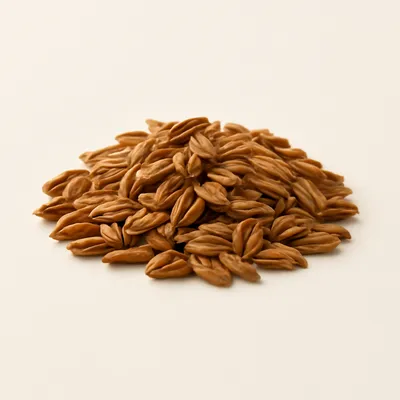
Temper cumin and asafoetida in ghee, add ginger and ground spices, then whisk in yogurt and simmer, stirring constantly.
Watch outWhisk the yogurt in and stir constantly off a hard boil — the besan from the dumplings helps, but a rolling boil still splits the yogurt into curds.
- 68 min
Slip the sliced gatte into the simmering gravy, finish with cream and coriander, and reduce to a coating sauce.
Archive tool suggestions — not reviewed
These legacy suggestions have not been evidence-reviewed and are not presented as required tools.