A soft, savoury-sour Tamil one-pot rice in which rice and toor dal are cooked down together with mixed vegetables, tamarind, and a freshly ground sambar spice blend, then finished with a generous ghee tadka of mustard seeds, cashews, and curry leaves. The dal and rice break down into a thick, comforting mush; tamarind keeps it tangy and the dry-roasted masala carries the spice. It is a complete single-dish meal, often packed for travel and tiffin boxes, and is usually served with appalam, a dry potato roast, and a cooling raita. Sometimes simply called Sambar Rice, it is the Tamil home cousin of Karnataka's Bisi Bele Bath.

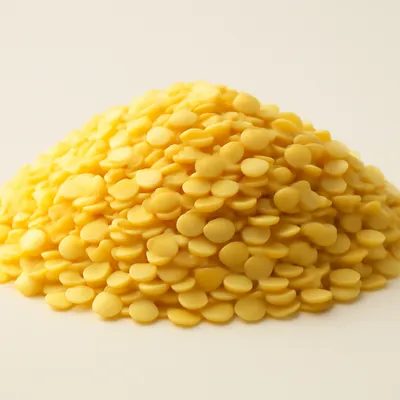
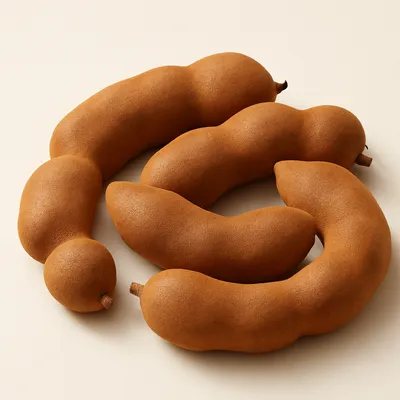
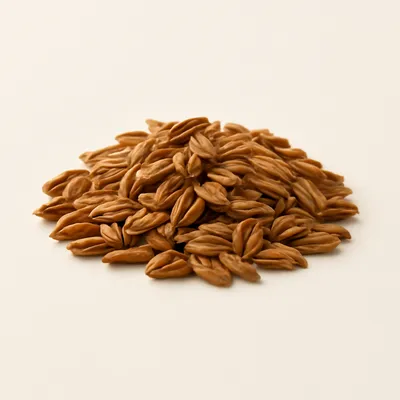
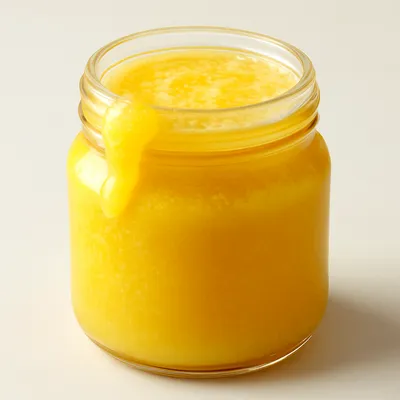

Sambar Sadam is everyday Tamil home and tiffin-shop cooking rather than a dish with a single inventor or founding date. It belongs to the broad South Indian family of sambar-flavoured one-pot rices: rice and lentils cooked together with vegetables, soured with tamarind, and spiced with a dry-roasted sambar masala. In Tamil the word "sadam" simply means cooked rice, so the name reads literally as "sambar rice," matching a naming pattern shared with dishes like thayir sadam (curd rice) and thengai sadam (coconut rice). The dish is closely related to Karnataka's Bisi Bele Bath and is frequently presented alongside it, but the two are regional cousins rather than the same dish: Bisi Bele Bath leans on its own special powder built around cinnamon, clove, and marathi moggu (kapok buds), plus dried coconut and a little jaggery, giving it a sweeter, spicier, more aromatic profile, while the Tamil version keeps to a plainer sambar masala. Made fresh in pressure cookers at home and ladled out in tiffin centres and chains, it endures because it folds a full grains-pulses-vegetable meal into one pot.
Thick and spoonable, almost porridge-soft, where the rice grains and split dal have collapsed into one another. The first taste is tangy from tamarind, then a rounded warmth from the roasted masala, all carried on the nutty richness of ghee. Cashews give crunch, curry leaves a fried fragrance, and the soft sweetness of cooked shallot and pumpkin keeps the sourness in check. Eaten hot, it coats the spoon and pairs with the crisp snap of a papad.
The dish works because rice and toor dal are cooked together until both break down, releasing starch and dal solids that thicken everything into a cohesive mush rather than separate grains. Soaking the rice and dal first shortens the cook and helps them soften in step, so the rice does not turn gluey before the dal is done. The sambar powder is the spine: a dry-roasted, freshly ground blend of dal, coriander, chilli, and aromatics, where roasting drives off raw notes and deepens flavour through browning before grinding. Tamarind goes in with the cooking so its sourness loses its raw edge and melds with the spice. The defining move is the tadka, done last: mustard seeds, cashews, and curry leaves bloomed in hot ghee, where the heat releases fat-soluble aromatics from the spices and the popping mustard seeds, then poured over so that fragrance and richness sit on top rather than boiling away.
Variations
The closest relative is Karnataka's Bisi Bele Bath, which the app lists separately: it is built on its own special masala with cinnamon, clove, and marathi moggu plus dried coconut and a touch of jaggery, making it noticeably spicier and a little sweeter than the Tamil version. Tamil cooks themselves vary the masala, often adding chana dal, coriander seeds, and fresh coconut to the roast for a softer, rounder spice. The vegetable mix is flexible: drumstick, carrot, beans, brinjal, pumpkin, and shallot are common, used singly or together. Restaurant and Saravana Bhavan-style versions tend to be smoother and richer with extra ghee, while home cooks may keep it lighter. It is distinct from plain Sambar served over rice and from curd rice (thayir sadam), and shares its single-pot spirit with khichdi and other lentil-rice meals.
On the Palate
Where Sambar Sadam sits in the Indian flavor cloud
Ingredients
Serves 4
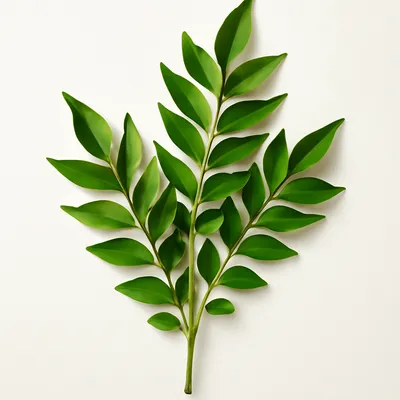
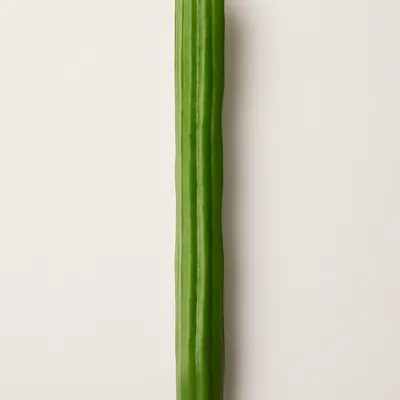
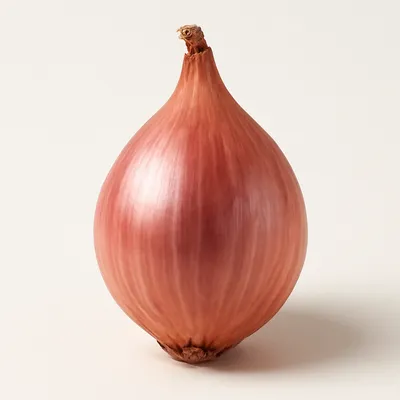
How it's made
9 steps · 15 min
- 125 min
Rinse the basmati rice and toor dal together, then soak both in water for 20 to 30 minutes; soaking helps them soften in step so the rice does not turn gluey before the dal cooks.
Watch outSoak the rice and dal 20–30 minutes so they soften in step — skip it and the rice goes gluey before the dal is done.
- 28 min
Dry-roast the sambar powder spices if grinding fresh, or measure out ready sambar powder; soak a lump of tamarind in warm water and squeeze out the pulp.
- 36 min
Heat a little ghee in a pressure cooker, splutter a first round of mustard seeds, add chopped shallot, drumstick, carrot, beans, brinjal, and pumpkin, and saute briefly.
- 43 min
Add turmeric, the sambar powder, and a pinch of asafoetida, stir to coat the vegetables, then pour in the tamarind extract and let the raw sourness cook off for a minute.
- 515 min
Drain the rice and dal, add them to the cooker with enough water and salt, stir well, and pressure-cook until both are very soft and broken down.
Watch outPressure-cook until both are very soft and broken down — they need to collapse together into one cohesive mush, not stay as separate grains.
- 64 min
Open the cooker once pressure releases and mash and stir so the rice and dal merge into a thick, cohesive mush; loosen with hot water if it is too stiff.
- 74 min
In a small pan, heat the remaining ghee and bloom mustard seeds, cashews, and curry leaves until the mustard pops and the cashews turn golden.
Watch outBloom the mustard seeds and cashews in ghee until they pop and turn golden — this fresh tempering is where the finished aroma comes from.
- 82 min
Pour the hot ghee tadka over the sambar rice, fold it through, and rest briefly so the aromatics settle in.
- 91 min
Serve hot with appalam or papad, a dry potato roast, and a cooling raita.
Archive tool suggestions — not reviewed
These legacy suggestions have not been evidence-reviewed and are not presented as required tools.