
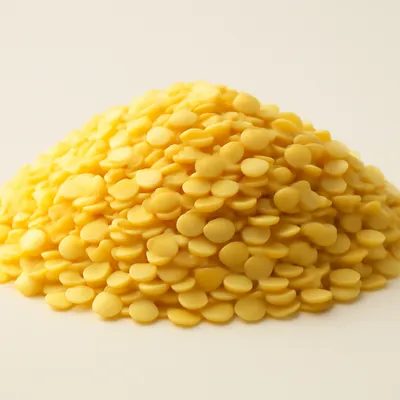
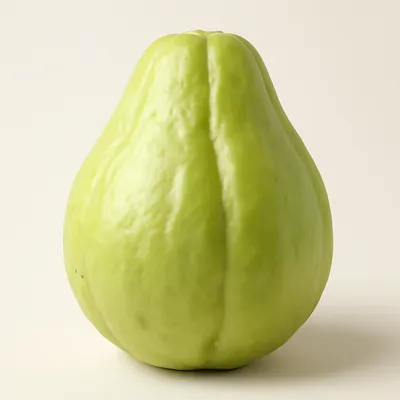
A mild, semi-thick Tamil curry of one or two vegetables simmered soft with cooked toor or moong dal and bound by a freshly ground coconut-cumin-green chili paste. Gentler and creamier than sambar, with little or no tamarind and no heavy chili heat. Common vegetables are chow-chow (chayote), bottle gourd, snake gourd, cabbage, ash gourd, or greens (keerai). It is an everyday-meals and sadya feast staple, eaten as a soft side with rice alongside rasam or a drier curry.


Kootu belongs to the everyday repertoire of Tamil Nadu and the neighboring Palakkad region of Kerala rather than to any single inventor or dated occasion. The name is commonly explained from the Tamil word meaning 'to add' or 'to combine,' describing the basic act of pairing a vegetable with dal in one pot. Where sambar leans on tamarind and a dry-roasted sambar powder for its tang and punch, kootu is deliberately mild: the souring agent is dropped or kept light, and a wet ground paste of coconut and cumin carries the flavor instead. Distinct community versions exist. Molagootal is a Palakkad Iyer specialty, a thick, very mild stew bound with a coconut paste that, despite its name, carries no pepper and is mixed straight into rice like sambar. Poricha kootu (from 'porichu,' to roast or fry) grinds roasted urad dal, black pepper, cumin, and red chili with coconut, and is finished with a coconut-oil tempering of mustard seeds and urad dal. Puli kootu ('puli' meaning tamarind) reintroduces a measured sour note for a tangier result.
Soft and soothing on the tongue, thick enough to cling to rice without running. The coconut gives a faint sweetness and a creamy, almost milky body, while ground cumin and a hint of green chili keep it fragrant rather than fiery. The vegetable stays tender and distinct, the dal melts into a gentle smoothness, and a curry-leaf tadka adds a final savory, nutty top note.
The dal and vegetable are cooked separately or together until soft, the dal breaking down to thicken the base while the vegetable holds its shape. The defining move is the coconut-cumin paste: fresh grated coconut, cumin, and green chili (with roasted urad dal and pepper in the poricha style) are ground wet and stirred in only near the end. Adding it late matters. Coconut is rich in fat and protein, and prolonged boiling can make the paste turn grainy or split and dulls the bright cumin aroma; a brief simmer just warms it through, lets the coconut emulsify into a smooth, creamy body, and preserves the volatile cumin oils. The paste also thickens by suspending fine coconut solids in the dal liquor rather than by reduction, which keeps kootu mild and creamy instead of concentrated and sharp. A finishing tadka of mustard seeds and curry leaves bloomed in hot oil layers aromatic top notes over the gentle base.
Variations
Molagootal is the thick, pepper-free Palakkad Iyer version, often made with greens (keerai) or a mix of vegetables and mixed straight into rice. Poricha kootu grinds roasted urad dal, black pepper, cumin, and red chili with coconut and adds a coconut-oil tadka. Puli kootu (also kalyana kootu) adds tamarind for a tangier, sambar-leaning result. Araithu vitta kootu is the standard 'ground-and-added' coconut-paste style. Vegetable choices define many names: chow chow (chayote), sorakkai (bottle gourd), pudalangai (snake gourd), cabbage, and poosanikai (ash gourd) kootu among them. A simpler no-grind version skips the wet paste for everyday speed.
On the Palate
Where Kootu sits in the Indian flavor cloud
Ingredients
Serves 4


How it's made
7 steps · 15 min
- 112 min
Rinse toor or moong dal and pressure-cook with turmeric and a little water until soft and mashable.
- 210 min
Chop the vegetable (chow-chow, bottle gourd, or greens) and cook with salt and a pinch of turmeric until just tender.
- 35 min
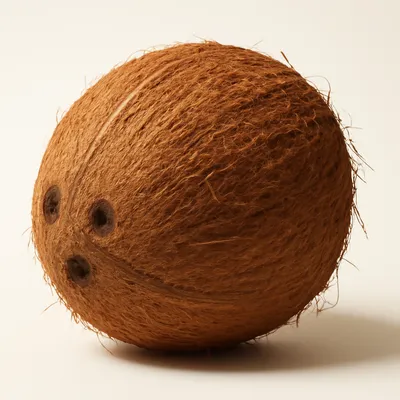
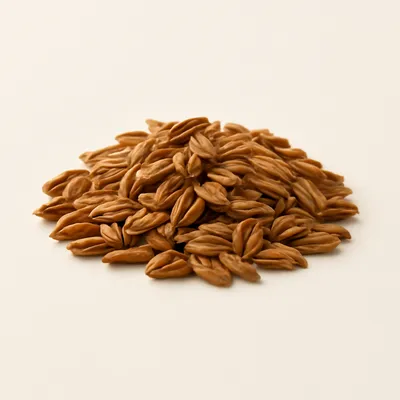
Grind fresh grated coconut, cumin, and green chili (add roasted urad dal and pepper for poricha style) with a little water into a smooth wet paste.
Watch outGrind the coconut-cumin paste and add it only near the end — prolonged boiling makes coconut go grainy or split and dulls the cumin; a brief warm-through keeps it smooth and fragrant.
- 43 min
Mash the cooked dal lightly and combine with the cooked vegetable and its liquid in a pot.
- 53 min
Stir in the coconut-cumin paste, adjust salt and water to a semi-thick consistency, and simmer gently for two to three minutes only.
Watch outOnce the paste is in, simmer only two or three minutes — just enough to warm it through; boil it hard now and the coconut curdles and the fresh aroma is gone.
- 63 min
Heat coconut oil and crackle mustard seeds, then add urad dal, curry leaves, and asafoetida until fragrant.
- 71 min
Pour the tadka over the kootu, stir through, and serve hot with rice.
Archive tool suggestions — not reviewed
These legacy suggestions have not been evidence-reviewed and are not presented as required tools.


