
Ghugni is a warm, spiced curry of dried yellow or white peas, simmered soft and seasoned with ginger, cumin, turmeric and a touch of sweetness — a staple street and tiffin snack across Bengal, Odisha and eastern India. The boiled peas are cooked into a thick, gravy-clinging mass, finished with chopped onion, green chili, a squeeze of lime and a dusting of roasted-cumin-and-chili powder, and very often a scatter of fresh coconut. Sold from carts and small shops, ladled into a bowl or paper cone, it is cheap, filling and endlessly customised — a snack, a breakfast and a light meal all at once.



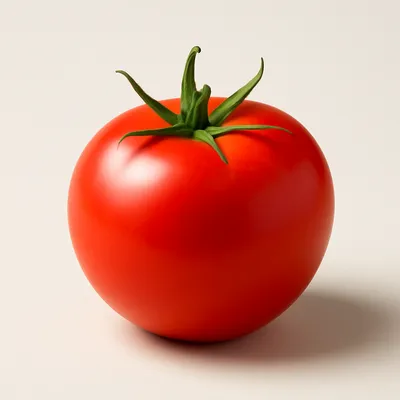

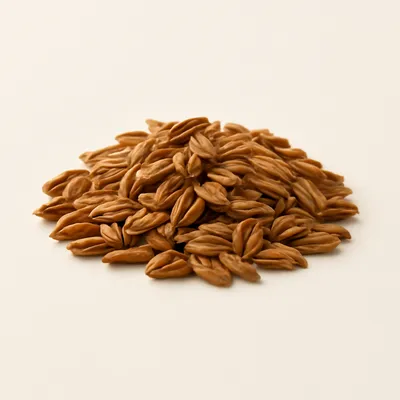
Ghugni belongs to the everyday street and snack cooking of eastern India — Bengal, Odisha, Bihar, Assam and Jharkhand — where dried peas have long been a cheap source of protein; as a folk dish of the bazaar it has no single documented origin. The name covers a family of pea preparations that vary by region and even by cart: the Bengali version is lightly spiced and often touched with coconut and sugar, the Odia version (ghuguni) is a beloved breakfast eaten with bread or muri, and across the east it is served as a topping, a chaat base and a standalone snack. Both the small white motor and the larger yellow peas (and sometimes black chickpeas) are used.
Soft peas that still hold their shape, bound in a thick, just-clinging gravy rather than a thin soup. The base is gently spiced and lightly sweet, then the toppings make it pop — sharp raw onion, hot green chili, a bright squeeze of lime, the smoky bite of bhaja masala (roasted cumin and dried chili ground together), and the sweet crunch of fresh grated coconut. Warm, earthy and savoury with bursts of sour and heat, it is a comforting, hand-to-mouth snack eaten with a spoon or scooped with bread.
Dried peas are the technical hurdle: they must be soaked 6-8 hours (or overnight) and then boiled until fully tender — undersoaked peas stay chalky however long they cook. A pinch of baking soda in the soak or boil speeds softening but is used sparingly. The cooked peas are then folded into a tempered base — cumin, ginger, turmeric and chili bloomed in oil, sometimes with onion-tomato — and simmered so the starch released from the peas thickens the gravy to a clinging consistency; a little is often mashed to bind it. The finishing is raw and last-minute: onion, chili, lime and bhaja masala are added at the table so they stay sharp, and the coconut is scattered just before serving for crunch.
Variations
The Bengali ghugni leans sweet-savoury with coconut and sometimes a little ghugnir masala; the Odia ghuguni is a breakfast staple, eaten with puri, bread or muri and topped with sev. Aloo ghugni adds diced potato; meat versions fold in keema (minced goat) for a richer 'ghugni chaat'. It also acts as a base — piled with crushed puri, sev, chutneys and onion it becomes a Bengali chaat, and it tops dishes like dahi vada. Yellow peas, white motor peas or black chickpeas are all used depending on the region and stall.
On the Palate
Where Ghugni sits in the Indian flavor cloud
Ingredients
Serves 4
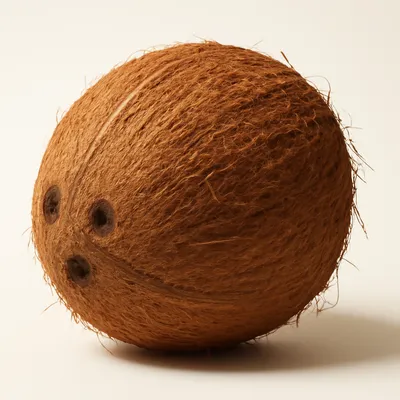
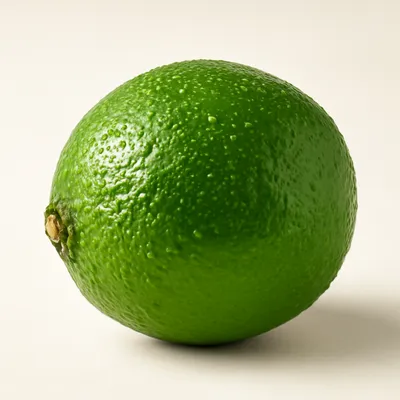
How it's made
5 steps · 20 min
- 1480 min
Soak dried yellow (or white) peas in plenty of water for 6-8 hours or overnight.
- 225 min
Boil the soaked peas with turmeric and salt (a tiny pinch of baking soda optional) until fully tender; reserve some cooking water.
Watch outBoil until a pea crushes to a smooth paste between your fingers with no chalky core — any grittiness now means they'll stay hard no matter how long the gravy simmers later.
- 310 min
Temper cumin seed, bay and dried chili in oil; add chopped onion, ginger and a little tomato and cook to a soft masala with turmeric and chili powder.
- 412 min
Add the boiled peas with some of their water; simmer and lightly mash a portion so the gravy thickens to a clinging consistency, then season.
Watch outMash a spoonful of the peas against the pan and stir back in until the gravy thickens enough to coat and cling — that starch is what stops it from being a thin, watery soup.
- 55 min
Top each bowl with raw onion, green chili, a squeeze of lime, roasted bhaja masala and fresh grated coconut; serve warm with bread or muri.
Archive tool suggestions — not reviewed
These legacy suggestions have not been evidence-reviewed and are not presented as required tools.


