A tangy Kashmiri Pandit eggplant dish in which fried brinjals are simmered in a tamarind-sour, fennel-and-ginger-spiced gravy, with no onion or garlic. The name states its character: chok means sour in Kashmiri, wangun means eggplant, and the dish is a beloved summer vegetarian course of the Pandit kitchen.

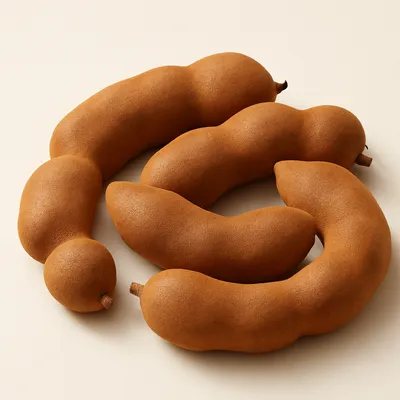
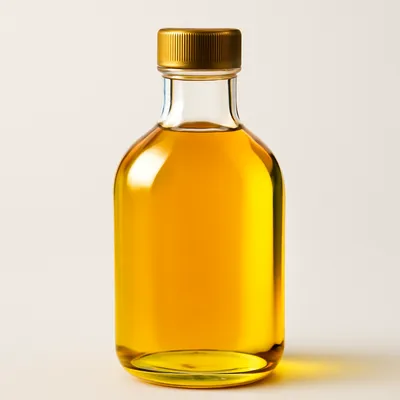


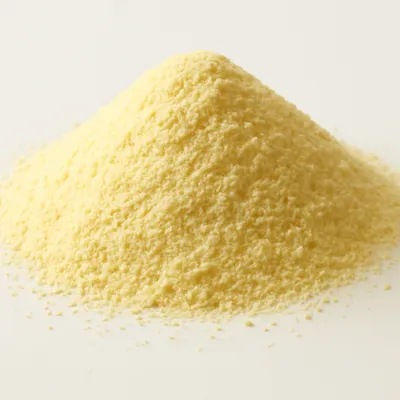
Chok wangun (tchok wangan, khatte baingan) is a tangy eggplant preparation rooted in the Kashmiri Pandit vegetarian tradition, which — unlike the Muslim Wazwan — uses no onion and no garlic, building its flavors instead on fennel, dry ginger powder, asafoetida, and Kashmiri chili. The dish's name describes its defining taste: chok (tchok) means sour or tangy in Kashmiri, wangun means eggplant. The sourness comes from tamarind, soaked and strained into a pulp that is simmered with the characteristic Pandit spice base and folded around fried eggplant pieces; the eggplants are typically slit into quarters lengthwise, keeping the stem intact, and fried first in mustard oil taken to its smoke point. It is a classic summer Kashmiri Pandit dish, eaten with rice, and its closest cousin is choonth wangun, which uses tart green apples instead of — or alongside — the eggplant.
Soft, collapsed eggplant in a glossy, rust-red, tangy gravy — the sour tamarind and warm fennel meeting a faintly smoky, fried-brinjal sweetness.
Two transformations define the dish. First, frying the eggplant in smoking-hot mustard oil does several things at once: it gelatinizes the eggplant's starch, collapses its spongy cell-wall structure so it can absorb the gravy, browns its surface proteins for a faintly smoky sweetness, and — because eggplant acts as a sponge for hot oil — carries the de-pungenced mustard oil's flavor into the flesh. Second, the tamarind pulp supplies tartaric acid, which lowers the gravy's pH to give the dish its signature tang and, by slowing the softening of the eggplant's cell walls in acid, paradoxically helps the fried pieces hold some shape through the simmer rather than dissolving to paste. The Pandit spice base — fennel, dry ginger, asafoetida, Kashmiri chili — is fat-soluble and carried by the mustard oil; the absence of onion and garlic is what makes the flavor read as distinctly Pandit rather than Mughlai.
Variations
Choonth wangun folds in tart green apples for a sharper, fruiter tang; some versions add a little jaggery to round the sourness, and potato is sometimes cooked in alongside.
On the Palate
Where Chok Wangun sits in the Indian flavor cloud
Ingredients
Serves 4
How it's made
6 steps · 15 min
- 14 min
Slit small eggplants lengthwise into quarters, keeping the stem attached, and soak them in salted water.
- 24 min
Soak tamarind in warm water and strain the pulp.
- 33 min
Heat mustard oil to smoking, cool slightly, and temper cumin seeds, asafoetida, and a whole dry chili.
Watch outHeat the mustard oil to smoking, then let it cool slightly before tempering — smoking it off takes away the raw harsh edge.
- 46 min
Add the eggplants and fry until browned and softened, then remove.
Watch outFry the eggplant until browned and softened — that collapse lets it soak up the gravy like a sponge later, and browning adds a smoky sweetness.
- 55 min
Stir fennel powder, dry ginger powder, turmeric, and Kashmiri chili powder into the oil, then add the tamarind pulp and a little water.
- 68 min
Return the eggplants to the pan and simmer until soft and the gravy has thickened; serve with rice.
Watch outSimmer until the eggplant's soft and the gravy's thickened — the tamarind's acid keeps the flesh from turning to complete mush while the tang sets in.