A Kashmiri Pandit fish curry in which river fish and chunks of radish are fried, then simmered together in a mustard-oil gravy spiced with fennel, dry ginger, and Kashmiri chili, finished with the aromatic ver masala. The name states its two pillars: muji means radish, gaad means fish, and it is the signature dish of the Kashmiri Pandit Gada Bhatta festival.



Muji gaad (muj gaad) is a fish and radish curry of the Kashmiri Pandit kitchen, one of the few fish dishes in a cuisine that, despite its largely vegetarian lean, includes fish cooked without onion or garlic. The name states its two defining ingredients: muji (muj) means radish in Kashmiri, gaad means fish. The dish is especially tied to the Kashmiri Pandit festival of Gada Bhatta — literally 'fish and cooked rice' — at which it is ceremonially prepared, and it is a winter dish, when the valley's radishes are at their best. The method is built on mustard oil taken to its smoke point, with the Pandit kitchen's characteristic ground spices — fennel powder, dry ginger powder, turmeric, and Kashmiri red chili — and finished with a pinch of ver masala, the dry spice balls unique to Kashmiri Pandit cooking. Some versions fold in lotus stem (nadur) or collard greens (haakh) alongside the radish. It is eaten with rice, and it remains a marker of Pandit identity within Kashmiri cuisine.
Tender fish and soft, sweet radish in a rust-red, warmly spiced gravy, with the earthy bite of radish, the heat of Kashmiri chili, and the aromatic lift of ver masala.
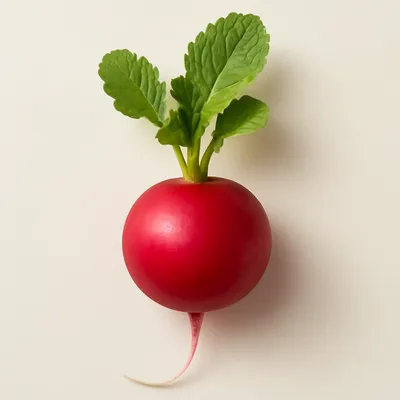
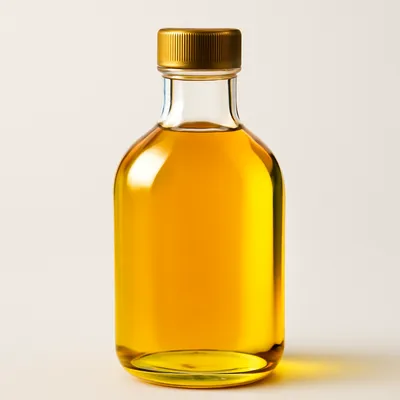
Two ingredients do distinct work. The radish, fried before the fish, has its sharp, slightly sulphurous aroma — chiefly the glucosinolates that give all brassicas their mustard-family pungency — mellowed by the hot oil, so it sweetens rather than dominates; its dense flesh softens over the simmer and absorbs the surrounding spice. The fish, also fried first to set its proteins and hold its shape through the simmer, is added back to the gravy; the mustard oil, taken to its smoke point to remove its raw allyl-isothiocyanate pungency, then carries the fat-soluble color of the Kashmiri chili and the aromatics of fennel and ginger through both fish and radish. The ver masala added at the end is a dry, oil-soluble blend, so it is sprinkled off the heat to preserve its volatile aromatics — a signature finishing technique of the Pandit kitchen.
Variations
Gaade te muji te nadur adds lotus stem; a version with haakh (greens) is a heartier winter meal, and the ver masala blend varies by household.
On the Palate
Where Muji Gaad sits in the Indian flavor cloud
Ingredients
Serves 4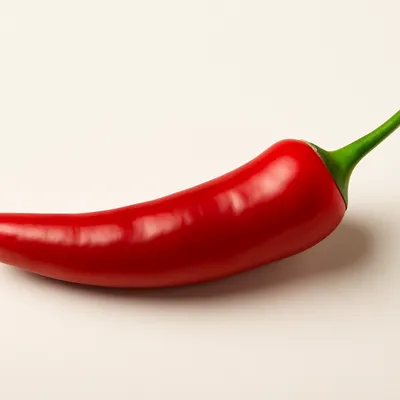
How it's made
6 steps · 20 min
- 18 min
Marinate fish pieces in salt, turmeric, and chili powder, then deep-fry in mustard oil and set aside.
Watch outDeep-fry the fish first to set its proteins and firm the surface — this is what lets the pieces hold their shape through the later simmer instead of flaking apart.
- 26 min
Fry radish chunks in the same oil until lightly browned, then remove.
- 34 min
Temper a pinch of asafoetida, then stir in turmeric, fennel powder, dry ginger powder, and Kashmiri chili powder.
Watch outTake the mustard oil to its smoke point before tempering — this drives off the raw allyl pungency so the gravy tastes round, not harsh.
- 48 min
Add water, bring to a simmer, and return the fried fish; cook for about 15 minutes.
- 512 min
Add the fried radish and cook until tender.
Watch outSimmer the fried radish until tender — its dense flesh needs time to soften and soak up the spiced gravy; underdone, it stays sharp and hard.
- 62 min
Finish off the heat with a pinch of crushed ver masala, and serve hot with rice.

