Kashmir's beloved street snack: slices of lotus stem (nadir) are parboiled, coated in a spiced rice-flour batter, and deep-fried until audibly crisp and golden. Sold outside Srinagar's shrines and on its streets, they are eaten hot with green or tamarind chutney.




Nadir monje (nadur monje) is a deep-fried lotus-stem fritter sold as a street snack across Srinagar and the Kashmir Valley, particularly around the shrines where worshippers gather. Its name states its core: nadir (nadur) is Kashmiri for lotus stem, an abundant food of the valley's lakes and waterways, and monje denotes the fritter form. The lotus stem is peeled, sliced, and briefly boiled to soften its dense, fibrous flesh, then coated in a batter of rice flour seasoned with Kashmiri chili, fennel, and asafoetida, and deep-fried until the coating is a deep gold and audibly crisp. The dish is everyday street food rather than Wazwan feast food, and it is one of the clearest expressions of how Kashmir's freshwater harvest — lotus stem, water chestnut — enters its popular cooking. It is eaten with a green coriander-mint chutney or a tamarind chutney, often standing at the stall.
A loud, golden crunch giving way to the soft, faintly sweet, earthy bite of lotus stem, with a warm flicker of Kashmiri chili and fennel.
The crunch comes from a rice-flour batter fried hot. Rice flour, almost pure starch with no gluten-forming protein, sets in hot oil at roughly 170–180°C into a brittle, glassy shell that shatters audibly — unlike a wheat-flour batter, which would toughen. The brief parboil of the lotus stem beforehand is essential: the stem's flesh is dense and fibrous, and frying alone would char the batter before the interior cooked through, so boiling first softens it just enough that the fry finishes both batter and stem together. The lotus stem itself, mostly starch and water with a faint sweetness, provides a soft, slightly chewy contrast to the crisp shell; the chili and fennel in the batter release their fat-soluble aromatics into the surrounding crust during the fry. Because the fritter is eaten immediately, before its low-water crust can absorb ambient moisture, the crunch holds.
Variations
Some versions add chopped lotus stem into the batter to make a pakora-style fritter; a thicker batter gives a softer, breadier crust, and the chutney pairing shifts by stall.
On the Palate
Where Nadir Monje sits in the Indian flavor cloud
Ingredients
Serves 4How it's made
5 steps · 20 min
- 16 min
Peel the lotus stem, slice it into rounds, and parboil in salted water for 5 minutes; drain.
Watch outParboil the lotus stem 5 minutes first — its dense fiber won't cook through under the batter otherwise, so the coating would char before the inside is done.
- 24 min
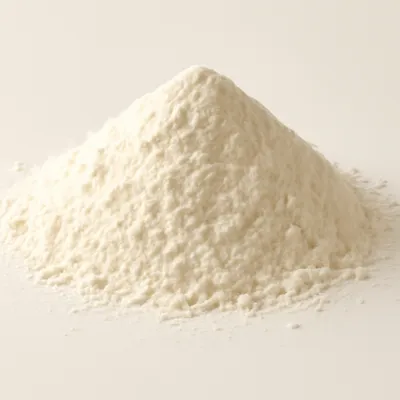
Whisk rice flour with Kashmiri chili powder, fennel powder, asafoetida, salt, and water to a thick batter.
- 33 min
Dip each lotus-stem slice into the batter, coating it fully.
- 48 min
Deep-fry the coated slices in hot oil until deep golden and crisp.
Watch outFry the rice-flour coating in hot oil until deep golden — the gluten-free batter sets into a brittle glassy shell that snaps; pull it pale and it stays soft.
- 54 min
Drain briefly and serve hot with green coriander-mint chutney or tamarind chutney.

