
Sabudana vada is a Maharashtrian fried patty made from soaked sabudana (sago, or tapioca pearls) bound with boiled potato and crushed roasted peanuts, flavoured with green chili, cumin, coriander and lemon, then deep-fried into cakes that are crisp outside and soft and chewy within. It is above all a fasting food, eaten on Hindu vrat days such as Ekadashi, Navratri and Mahashivratri, because every ingredient — sabudana, potato, peanut and rock salt (sendha namak) — belongs to the permitted phalahar foods, while grains and ordinary salt do not. The same fasting logic governs sabudana khichdi, the unfried sago pilaf; the vada is its crisp, deep-fried counterpart, served hot with cooling curd or a peanut-curd chutney.




Sabudana vada is a traditional Maharashtrian snack, best understood through the Hindu custom of upvas or vrat (ritual fasting), on which devotees abstain from grains, lentils and regular salt but may eat designated phalahar foods. Sabudana, made from cassava starch and free of grain, together with potato, peanut and non-iodised rock salt, all qualify, which is why this fried sago cake became a mainstay of fasting days such as Ekadashi, Navratri and Mahashivratri. Sago itself is not indigenous to the region — commercial sabudana production in India is documented as having begun around 1943–44 in Salem, Tamil Nadu, from local cassava — so the dish is relatively modern in materials, though no inventor or precise date is recorded for the vada; it is documented simply as a customary vrat snack of Maharashtra.
The outside is craggy and deep-golden, shattering crisp, while the inside is soft, dense and faintly chewy from the swollen sago pearls, studded with the toasty crunch of crushed peanut. The flavour is mild and nutty — potato and peanut underneath, with the freshness of coriander, the kick of green chili and the warmth of cumin, brightened by a squeeze of lemon. Each pearl reads as a small translucent, springy bead within the cake. Eaten hot, dipped into cool curd or a peanut chutney, the contrast of crackling crust against the chewy, peanut-rich centre is exactly what makes it so satisfying.
Sabudana vada hinges on what soaking does to sago. Tapioca pearls are nearly pure starch; soaked in just enough water for several hours, each pearl absorbs moisture and the starch granules swell and partly gelatinise, turning the hard bead soft, sticky and translucent and making the whole mass cohere — the natural binder that holds the patty without any egg or flour. Mashed potato adds extra starch to glue it together, and crushed roasted peanut lends body and flavour. Getting the soak right is critical: too little water and the centres stay hard, too much and the pearls turn gluey and the vada drinks oil. Deep-frying then crisps and browns the surface while the gelatinised interior firms into a chewy, springy crumb; the absence of grain flour is deliberate, keeping the dish within fasting rules.
Variations
Households differ on how much potato to add — more for an easier, softer bind, less for a purer, chewier sago cake — and some skip potato entirely. The seasoning shifts with chopped coriander, grated ginger, a little sugar, or curry leaves where the fast permits them. For a lighter result the same mixture is shaped and shallow-fried or cooked in an appe pan instead of deep-fried, and outside fasting days ordinary salt simply replaces sendha namak. The closest relative is sabudana khichdi, the unfried sago pilaf eaten on the same vrat days; the vada is its fried form, and both are usually served with plain curd or a peanut chutney.
On the Palate
Where Sabudana Vada sits in the Indian flavor cloud
Ingredients
Serves 4
How it's made
7 steps · 20 min
- 13 min
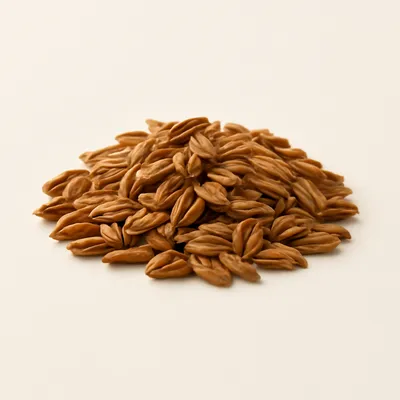
Rinse sabudana well and soak in just enough water for four to six hours until each pearl is soft and squashes easily; drain off any excess.
Watch outSoak until a pearl crushes to a smooth paste under light finger pressure with no hard white dot in the middle — that squashable softness is the binder; a hard core now means gritty, split-apart vadas.
- 210 min
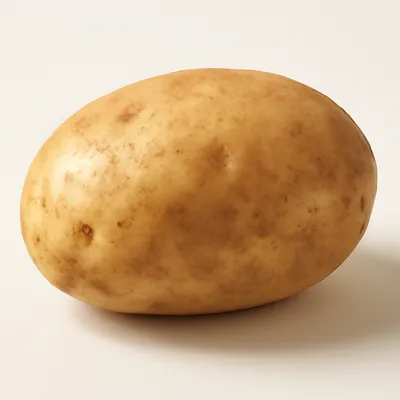
Boil, peel and mash potatoes, and coarsely crush roasted peanuts.
- 34 min
Mix the soaked sabudana with mashed potato, crushed peanuts, chopped green chili, cumin, coriander, lemon juice and rock salt.
- 43 min
Bring the mixture together and shape into even balls, then flatten into thick patties.
- 53 min
Heat oil for deep-frying to medium-hot.
- 66 min
Fry the patties in batches, turning, until deep golden and crisp on the outside.
Watch outFry undisturbed until a deep-gold, crisp shell forms before you turn them — moving them too early while the crust is soft is what makes the vadas break apart in the oil.
- 71 min
Drain on paper and serve hot with curd or peanut chutney.
Archive tool suggestions — not reviewed
These legacy suggestions have not been evidence-reviewed and are not presented as required tools.


